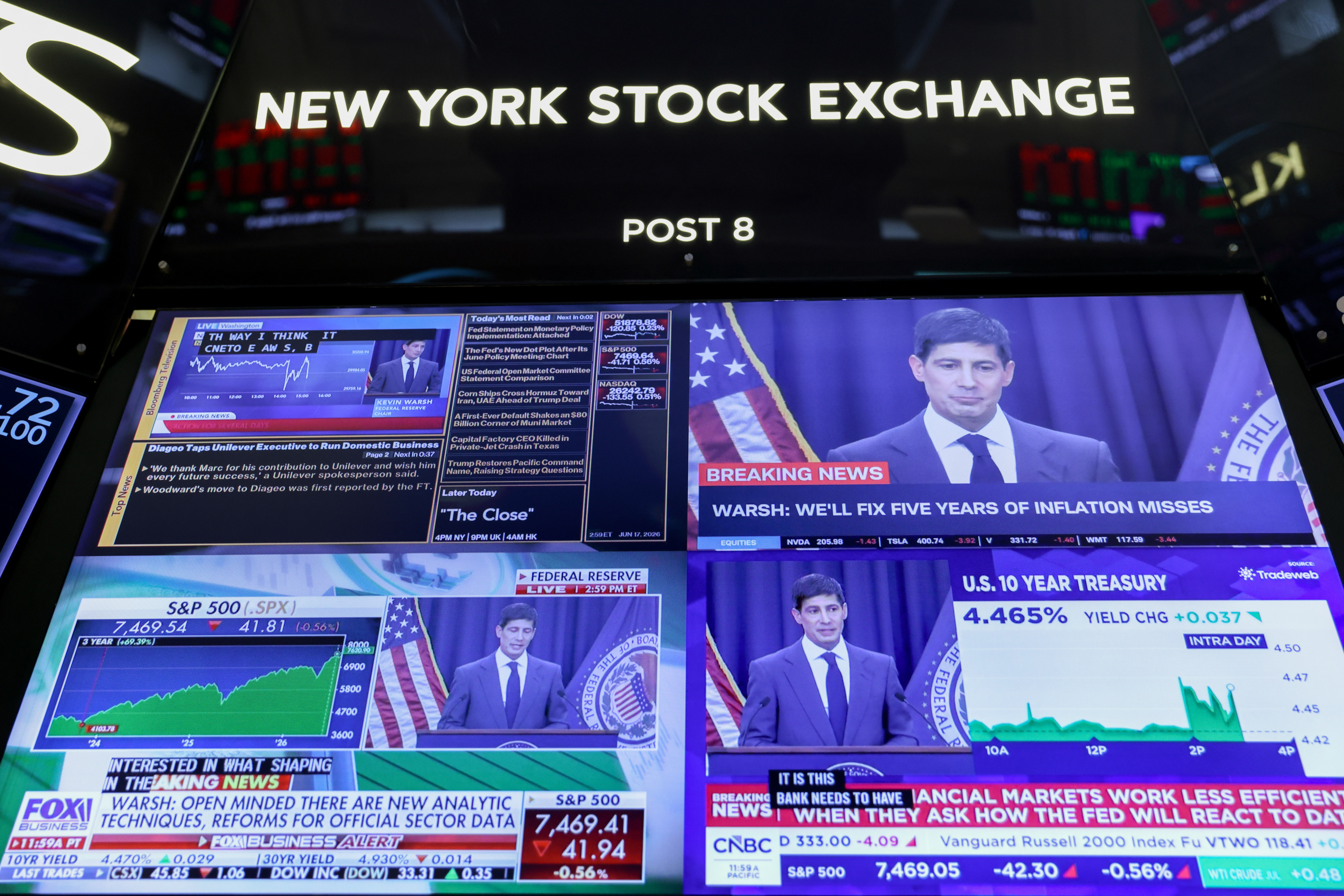
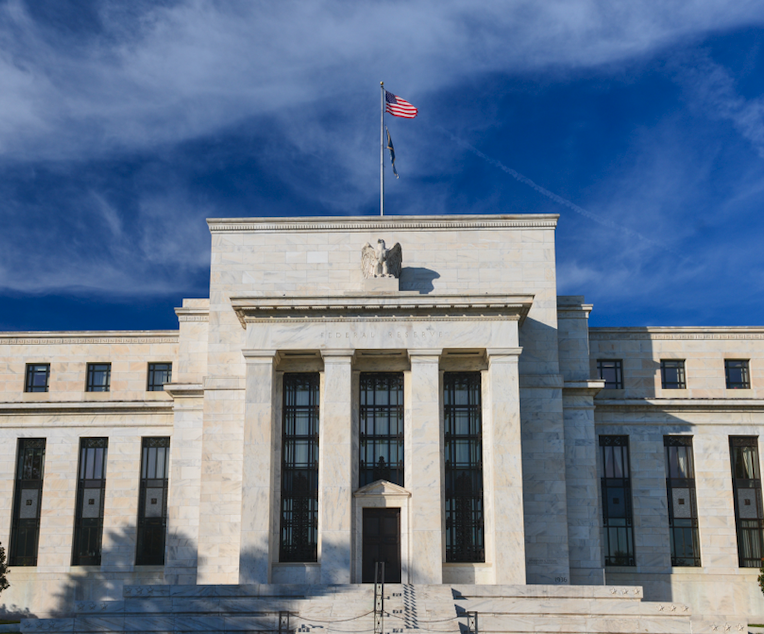
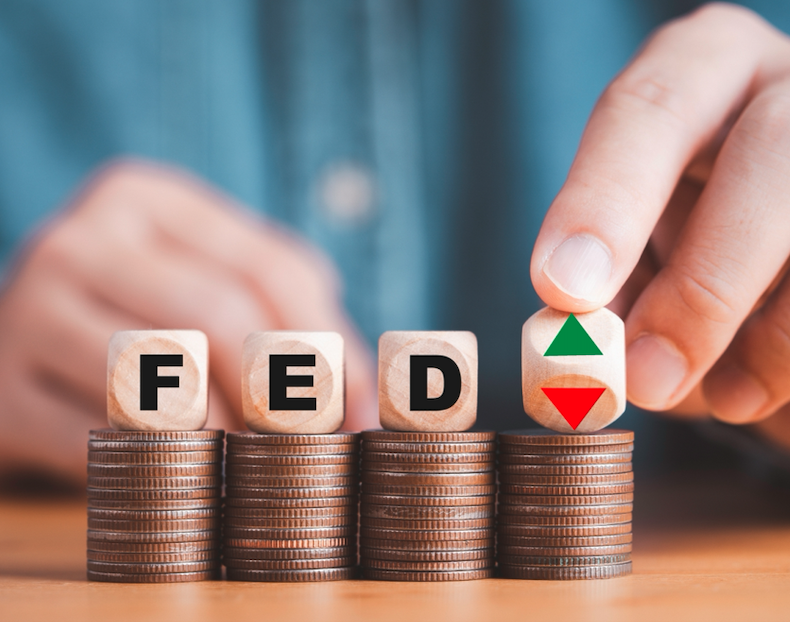
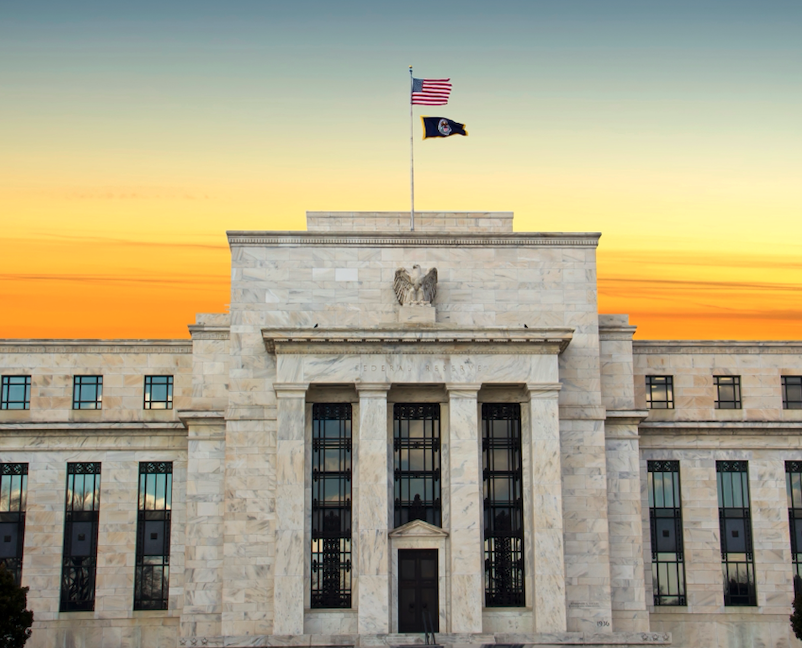
Federal Reserve Chair Kevin Warsh is changing how the central bank conducts monetary policy. A fresh look is appropriate, especially given the Fed’s failure to achieve its 2% inflation objective for more than five years. But this needs to be done with greater care than Warsh has shown to date.
According to Gleason, the freezing of Russian assets following the 2022 invasion of Ukraine accelerated the global push toward de-dollarization. Nations around the world took notice that access to the dollar-based financial system could be restricted, increasing the appeal of gold as a reserve asset that cannot be frozen or sanctioned by foreign governments.
Kevin Warsh’s first Federal Reserve meeting as chair mattered less for the rate decision than for what he revealed about how the Fed intends to operate. Warsh signaled a shift toward less guidance and more flexibility.
On May 5, 2026, researchers from Cleveland Clinic, RIKEN, and IBM successfully simulated a 12,635-atom protein complex using quantum-centric supercomputing, a problem relevant to drug discovery that classical computing could not match at comparable speed and accuracy.
Municipal bonds often see a seasonal lift during the summer months. This pattern, known as summer technicals, stems from a straightforward supply and demand imbalance that tends to favor bond prices. Over the past ten years, the summer months (May through July) have generally been positive months for the Bloomberg Municipal Bond Index, with monthly returns averaging +0.83%, +0.43%, and +0.82%, respectively.
Total-portfolio thinking is gaining momentum across institutional investing, with investors looking to adopt portfolio-wide approaches that integrate risk, liquidity, and capital allocation decisions. As institutions manage broader opportunity sets and place greater emphasis on portfolio integration, total-portfolio thinking is increasingly influencing how they set objectives, allocate capital, implement strategies, and govern portfolios.
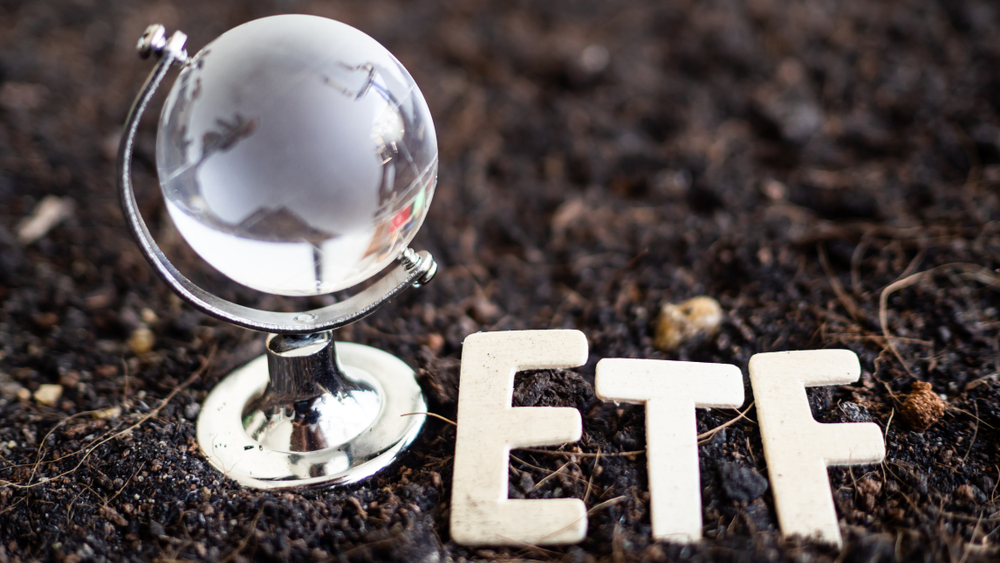
The international ETF landscape has become quite popular with investors over the last year. Investors flocked to ex-U.S. equity opportunities over the last 12 months, driven by high domestic valuations and persistent concentration risk. By contrast, emerging and international markets have both offered lower costs and healthy diversification.
In a digital-first environment, reputation is no longer a byproduct of success; it is an asset class in its own right. For ultra-high-net-worth families, reputation capital can influence investment opportunities, business partnerships, philanthropic impact, and multigenerational legacy. It can also be exposed, amplified, or undermined in real time.
In broad terms, there appears to be little headline risk facing advisors and income investors mulling municipal bonds. All 50 states carry investment-grade credit ratings, confirming that their credit quality remains solid.
It’s easy to understand why investors are skeptical about value stocks. After nearly two decades of chronic weakness, value’s strong rebound since early 2025 hasn’t offered enough proof that the turnaround has staying power.
That gap — between believing you are excellent and being able to prove it — is the central problem this article addresses. And solving it is precisely what “The 80/20 Manifesto” was written to do.
I have run sales teams, developed sales teams, trained salespeople and trained advisors for many years. Education is your best bet, but if people are focused on growth at all costs, sometimes they aren’t in a position to really listen.
Advisors have largely made up their minds about AI. What they have not settled is governance. AI adoption ran ahead of policy, the way it usually does, and the gap between the two is where the trouble starts.
US technology stocks rebounded, lifting key indexes, after the latest flareup of concerns about the scale of the artificial-intelligence-fueled rally wiped nearly $1.3 trillion from the market capitalization of Nasdaq 100 companies over the first two days of the week.
When investors feel like the stock market is toppy, as many do now, they often compare what they expect stocks and bonds to pay. The yield on stocks should offer a premium over bonds to compensate for higher risk, and it usually does.
THOR builds upon the success of the firm’s Thornburg Investment Income Builder Strategy, bringing that same income generation expertise into a flexible, actively managed ETF.
The most important development this week was not the Federal Reserve meeting itself, but the sharp and unexpected decline in oil prices. Just days ago, many market participants expected crude to remain elevated amid ongoing tensions in the Middle East. Instead, WTI crude briefly traded with a 73 handle, only modestly above its pre-conflict levels and far below the $90-$100 range that many feared.
There’s a new sheriff in town over at the Federal Reserve. He sounds a lot different than the old sheriff, but one would be wise to remember that Kevin Warsh is enforcing the same laws in the same town as Jerome Powell did.
Equities rallied after President Trump announced an agreement with Iran to end their conflict and reopen the Strait of Hormuz. The S&P 500 and the NASDAQ finished the holiday-shortened week with solid gains, led by the technology sector.
Alan Greenspan, the titan of global central banking who led the Federal Reserve during decades of prosperity, has died at 100, just when elements of his free-market philosophy are experiencing a renaissance.
Kevin Warsh, the newly appointed Federal Reserve chair, led his first committee meeting in June. The decision to leave short-term interest rates unchanged didn’t surprise anybody, but there was plenty for markets to chew on.
The ongoing World Cup showcases three countries working together. The USMCA review will reveal whether that cooperation extends beyond sport. A shared platform can continue to deliver strong outcomes, but only if the rules remain clear, stable and broadly accepted.
SpaceX is seeking to raise between $20 billion and $25 billion from a debut bond offering on Tuesday, after attracting about $30 billion of investor orders even before the sales process had formally begun, according to people with knowledge of the matter. At that size, the deal would rank among the biggest of the year, according to Bloomberg-compiled data.
A massive profit warning from BMW AG last week delivered yet more evidence that Germany’s automaking business model is broken. With Volkswagen AG’s top executives reportedly worried about existential threats to their company, BMW’s woes aren’t isolated.
While the market-cap methodology has been the guiding principle for equity index creators, it’s increasingly viewed as a structural error in the world of fixed income. Today, TMX VettaFi is helping to spearhead a growing movement of index innovators who are inclined to challenge the fixed income status quo.
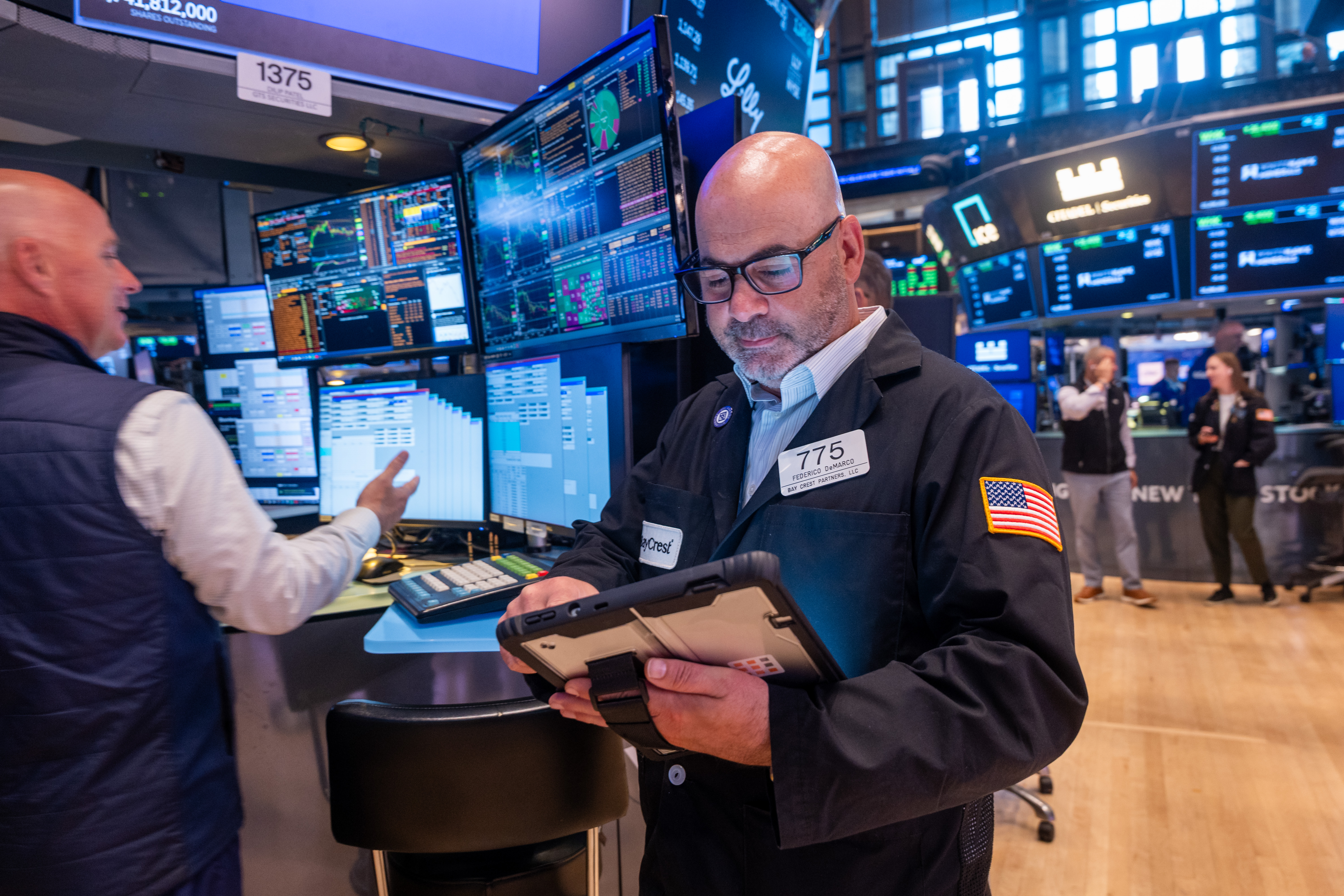
U.S. equities posted a modest advance during the holiday-shortened trading week despite a Wednesday sell-off following a more hawkish than expected Federal Reserve meeting under its new chair, Kevin Warsh.
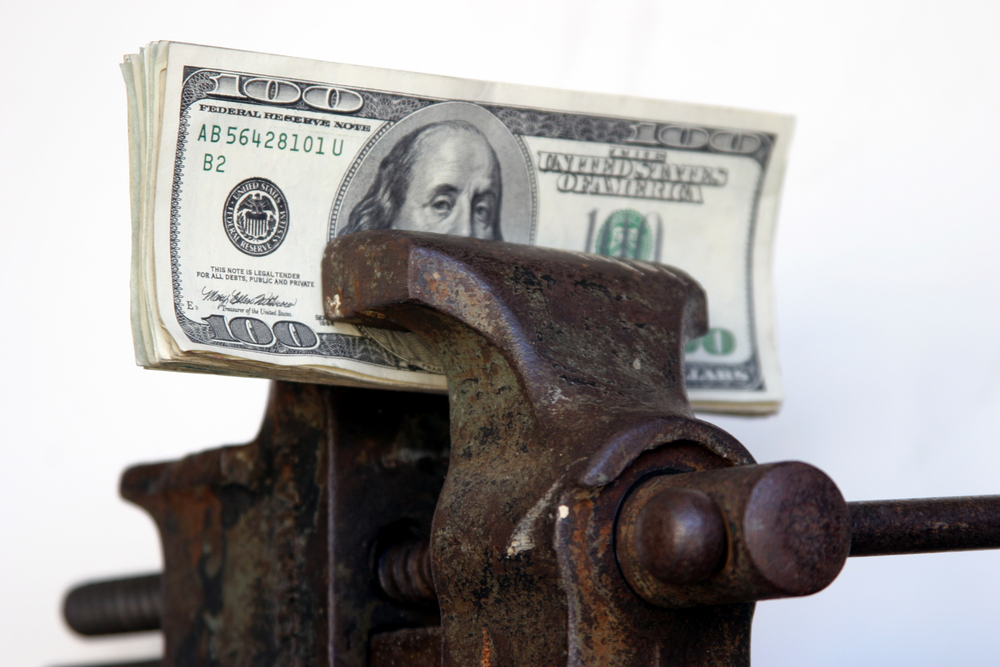
The rising debt burden of the U.S. government is becoming an increasingly serious economic concern. While it may not be an immediate crisis, it has the characteristics of a slow-moving domestic pandemic.
The corporate world is awash in capex. Leaders in the artificial intelligence (AI) arms race are pouring hundreds of billions of dollars into tech projects, and uncertainty surrounds their profitability. For now, the market rewards this use of cash, but it’s not without pitfalls. Share buybacks, for instance, are seen as a net loser, while the S&P 500® dividend yield has sunk toward all-time lows near 1%.
Join the experts from Victory Capital for a one-hour session, including live Q&A, where we’ll unpack the dispersion story and show why free cash flow has worked across the style box, regardless of where the market has been.
Here’s the setup most investors are underrating right now. Over the next two weeks, the tape will trade on plumbing rather than fundamentals. We just cleared the largest options expiration in history. Quarter-end pension selling comes next, and then July 1 reopens the passive-money firehose into a market that already routes forty cents of every S&P 500 dollar into ten stocks.
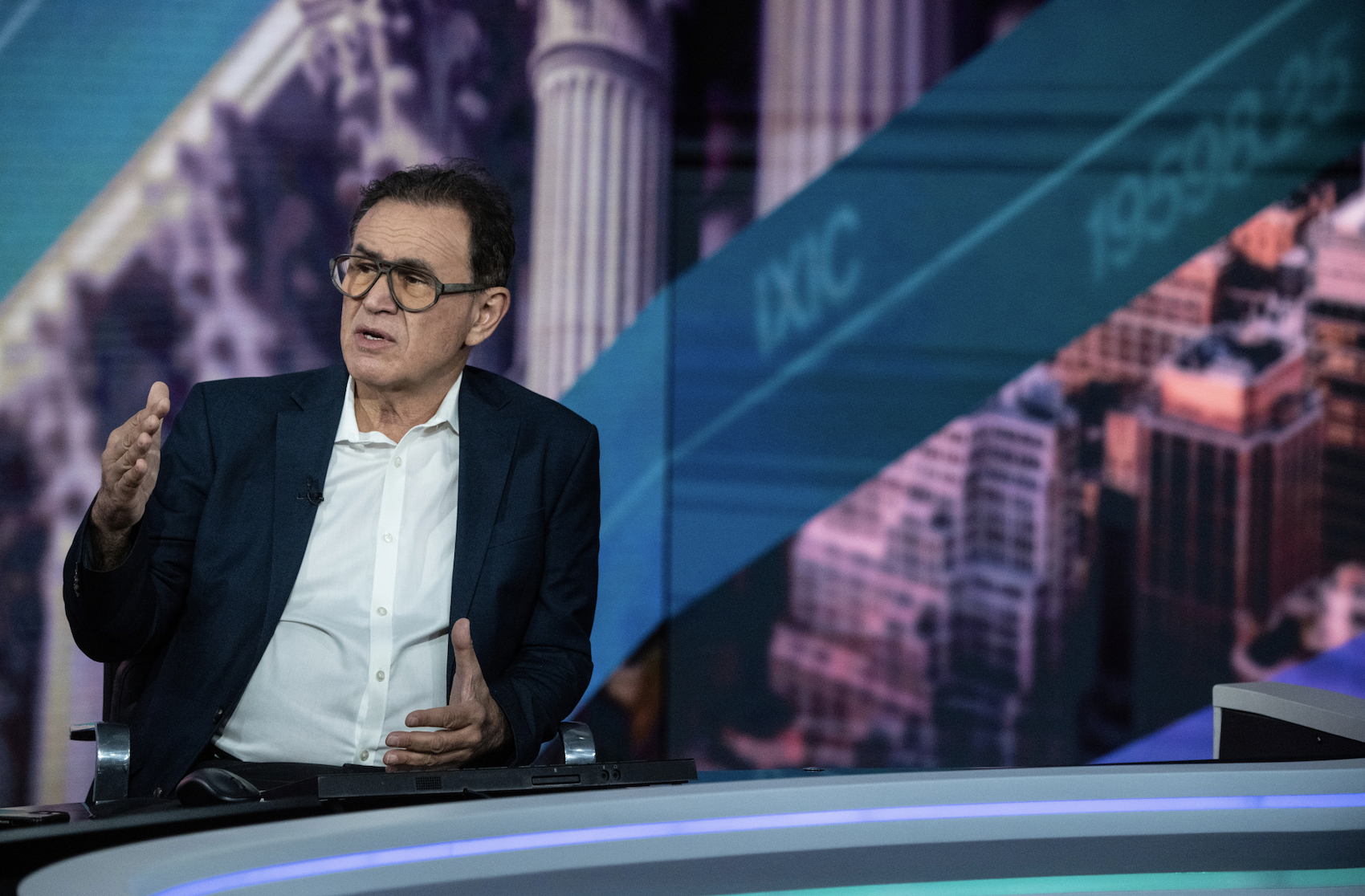
Nouriel Roubini, the economist known for predicting the 2008 financial crisis and later for his sharp criticism of crypto, is putting one of his investment products on the blockchain.
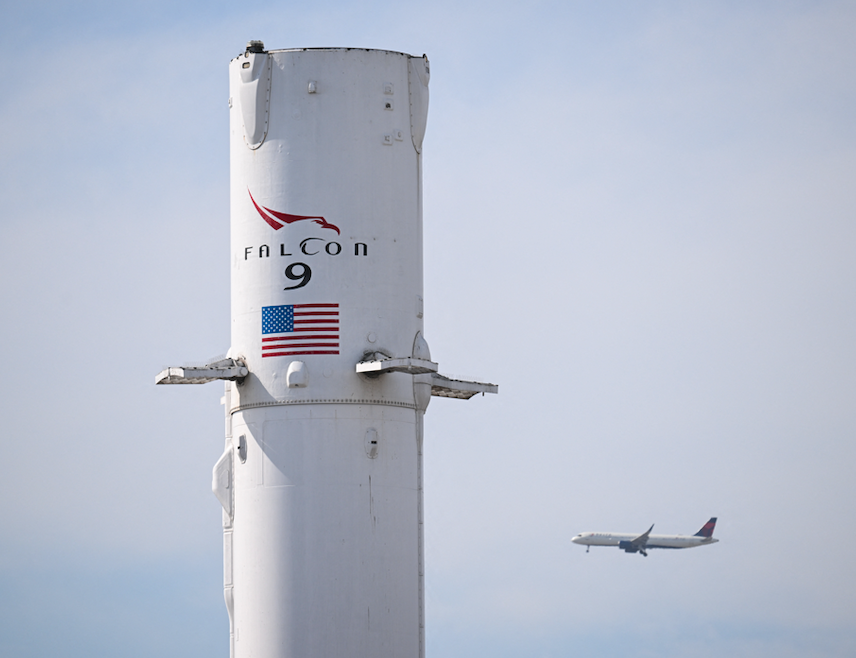
SpaceX launched a demonstration mission Tuesday to send a reusable capsule into space and then recover it, part of a new program that may allow the Elon Musk-led company to tap into the emerging market of in-space manufacturing.
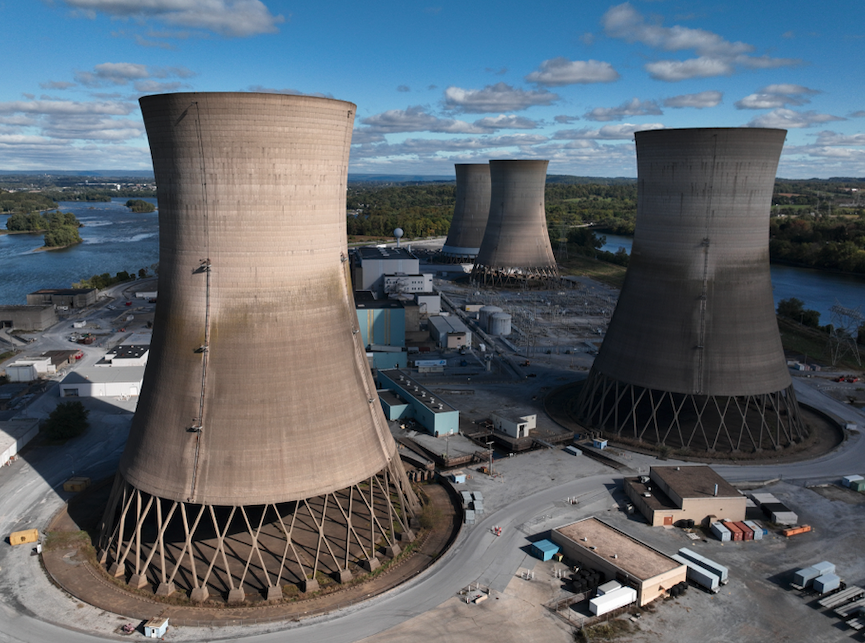
The Trump administration is providing $17.5 billion to help finance equipment orders for large-nuclear reactors being built by Westinghouse Electric Co., according to people familiar with the matter.
All of this is a warning to other developed markets with debt levels on the verge of exceeding their gross domestic product. Following the Truss chaos of four years ago, the market has decided to approach the UK through a lens of always assuming the worst, a default that continues to cost British taxpayers in the form of higher interest rates.
On June 11, security researchers showed how to subvert OpenClaw, one of the most widely used AI agents. Instructions hidden in something as ordinary as a shared contact or a pinned location could make the agent run an attacker’s code and hand over its secrets.
The fixed income environment continues to project uncertainty, as higher-for-longer interest rates persist amid sticky inflation. Investors may want to lean on the expertise of active managers when deciding between an active and indexed fund.
A real, potentially lasting U.S.-Iran deal appears to be on the horizon for the first time in many weeks of on-, then off-again negotiations. Should this be the deal that does it, or another one in the near term, oil prices will respond. In fact, they’ve already dropped in response to the news that the Strait of Hormuz will reopen.
Important investment decisions should always be based on investment principles, not predictions. Principles form the foundation of a sensible long-term financial plan and are timeless rules.
No one can guarantee which choices will be best for your financial future. Do your best to make them, not out of anxiety over the broader economy, but in the context of your own family’s needs and finances.
The advisory profession is entering a new era. AI will not replace advisors — but advisors who use AI will replace those who don’t. And the actuarial approach is uniquely well suited to this transition.
Kevin Warsh, the new chairman of the FOMC, has long been critical of forward guidance, which is the Fed’s practice of explicitly signaling the future path of interest rates (e.g., “rates will stay low for an extended period” or publishing a projected path for policy rates). His concern is that the guidance could give the impression that policymakers might have a high degree of confidence about the future path of the economy and rates.
The US-Iran conflict – and its impact on oil prices – has dominated headlines over the past three months. Higher oil prices have pushed inflation to a three‑year high, reshaping the Federal Reserve’s rate outlook.
Humanoid robots grab headlines, but they are just a fraction of the physical AI ecosystem. Autonomous robots, drones, cobots, and eVTOLs are rapidly scaling across industrial and defense sectors.
On Monday, President Donald Trump announced that the U.S. and Iran have reached a peace deal to reopen the Strait of Hormuz, the 21-mile chokepoint through which roughly 20% of the world’s oil supply normally flows.
The most consequential decisions a founder will face, equity gifting before valuations increase, trust structures timed ahead of a sale, QSBS qualification built while eligibility still exists, all must be decided before liquidity. Once the transaction closes, much of what was available earlier is simply gone.
The results of Kevin Warsh’s first official set of meetings on monetary policy as the Chairman of the Federal Reserve were like a breath of fresh air.
Chris Galipeau discusses high-conviction insights that go beyond media headlines.
The announcement of an extended ceasefire in the Middle East is welcome news. The accord, which is scheduled to be signed late this week, reduces a source of geopolitical uncertainty that has hovered over the global economy. But significant risks remain.
Discover why DoubleLine's Jeffrey Gundlach is urging a structural defensive rotation into emerging markets and international assets.
As geopolitical factors increasingly impact returns in a changing market, active portfolio management will become an increasingly necessary approach for advisors seeking to navigate uncertainty and deliver consistent results.