A healthy jobs report should keep real estate traders appeased, but cautious optimism is warranted moving forward.
On this week’s episode of ETF Prime, VettaFi’s Todd Rosenbluth shares advisor polling data on fixed income.
For the last five years, BP Plc has squandered its shareholders’ money. That’s why, forced by poor returns and the arrival of an activist investor, it finally “reset” its strategy on Wednesday.
General Motors Co. plans to step up its program of buybacks by repurchasing $6 billion in shares and raising its dividend, rewarding investors by pushing more cash off its balance sheet.
The U.S. economy remains structurally productive. American Economic Exceptionalism is powered by innovation and labor flexibility.
Nvidia Corp.’s earnings are set to dictate whether artificial intelligence can regain its status as the key driver behind Wall Street gains — or trigger more weakness after the Magnificent Seven group of technology stocks fell into correction territory.
Healthcare stocks were hurt by volatility from factors that include policy-related uncertainty, which hasn’t faded since the US election.
Dean LeBaron’s name may not be familiar to many readers, especially those who only began their careers in the 21st century. But all of us should know who he is. Before there was even a term for it, Dean was the first truly successful quant.
We explore drivers that may contribute to continued outperformance of European stocks since the bull market began in October 2022.
The greatest benefits of TCJA were deep in its details.
Tax season can be stressful, but with the right approach, advisors can turn it into an opportunity.
In this post we attempt to demystify the mechanics and implications behind why the Fed is considering pausing its QT program.
On this episode of the “ETF of the Week” podcast, VettaFi’s Head of Research Todd Rosenbluth discussed the BondBloxx Private Credit CLO ETF (PCMM) with Chuck Jaffe of Money Life. The pair discussed several topics related to the fund to give investors a deeper understanding of the ETF overall.
Overall, it is a system deeply rooted in familial interdependence. The responsibility for widows rests squarely with family members, reflecting a culture where support networks are built on kinship rather than institutional safety nets.
Don’t choose technology for the firm that you were, or even the firm you are now. Choose technology for the firm you want to become in five years.
Investors should not be overly distracted by the recent spate of political headlines and social media updates.
Treasuries rallied, led by 10-year yields dropping 10 basis points as traders boosted bets on Federal Reserve interest-rate cuts, with US President Donald Trump’s tariff plans weighing on risk appetite.
A crowded trade is defined as a position characterized by a high concentration of institutional investors relative to the underlying liquidity.
Donald Trump’s administration is sketching out tougher versions of US semiconductor curbs and pressuring key allies to escalate their restrictions on China’s chip industry, an early indication the new US president plans to expand efforts that began under Joe Biden to limit Beijing’s technological prowess.
ETF expert Dave Nadig offers hot takes on a range of topics, including private equity in ETFs, Truth.Fi entering the space, memecoins, and increasingly exotic ETF launches. VettaFi’s Todd Rosenbluth discusses an ongoing battle for the ETF throne and presents the latest advisor polling data on fixed income.
For the last five years, BP Plc has put ideology ahead of profitability. This week, its board of directors has a final chance to change direction. If it doesn’t, an investor revolt will follow, and many executives could be out of a job by summer.
The US Federal Reserve has begun a process with vast implications for the global economy: rethinking the framework by which it sets the interest rates that influence prices and lending in the US and just about everywhere else.
Retail investors are expected to become more bullish about increasing equity exposure when markets rise.
Earnings season is winding down, and the spotlight will soon shift toward 2025 trends after an impressive end to last year.
The managed account industry has seen tremendous growth and client adoption, with assets increasing by 28% over the last year and 50% over the past two years.
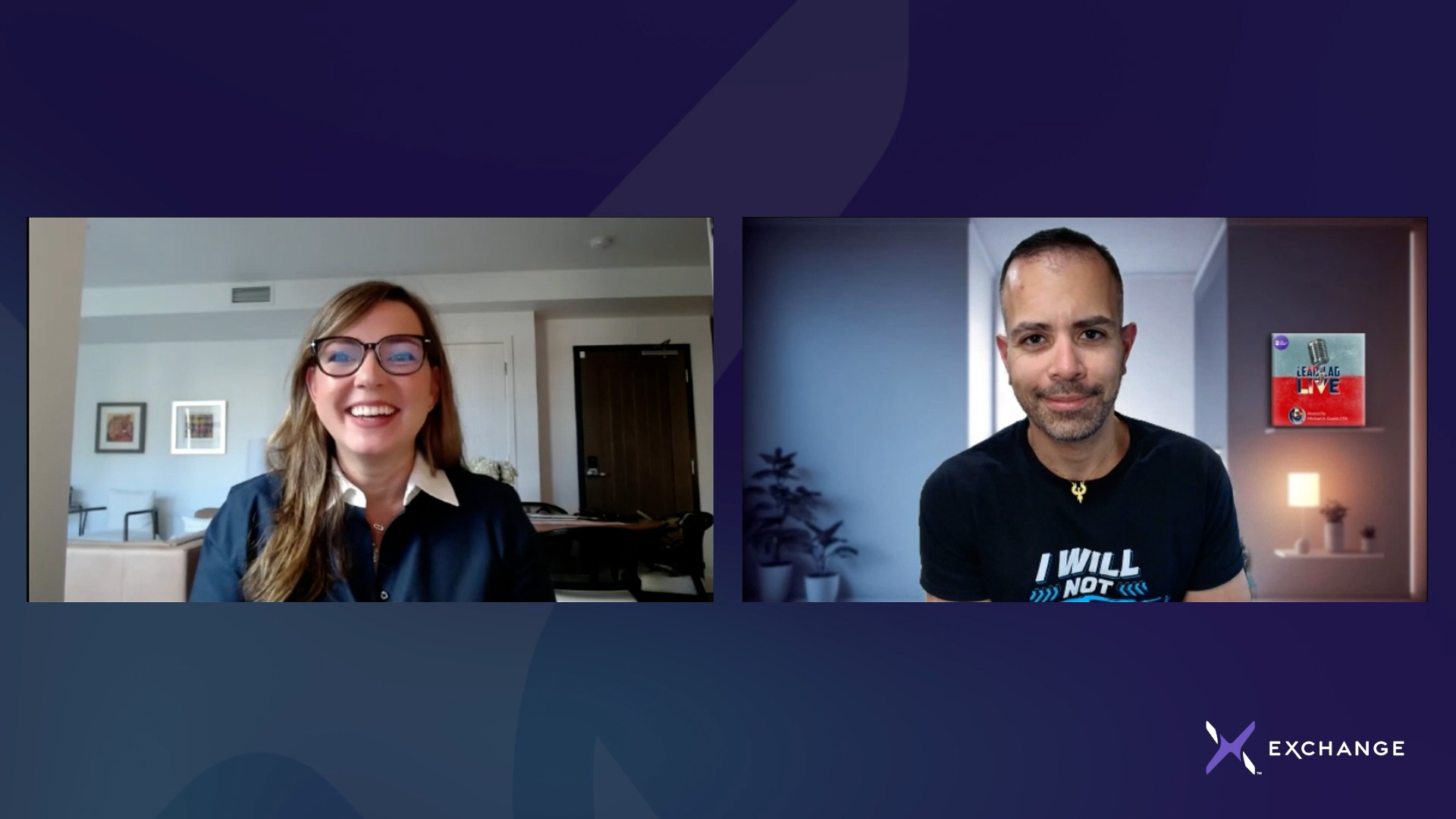
For the latest Road to Exchange video, TMX VettaFi Investment Strategist Cinthia Murphy interviewed Lead-Lag Report publisher Michael Gayed. The two discussed market uncertainty, trusted filters, and the value of in-person events.
Despite what many of my critics think, I am agnostic about cryptocurrency. However, I am willing to shed light on details that most crypto supporters refuse to discuss or even acknowledge.
In a market as broad, opaque and inefficient as the municipal bond market, in which compliance oversight and efficiency are paramount, these initial efficiency gains are just the tip of what may prove to be a transformative technology iceberg.
With our most reliable valuation measures more extreme than both the 1929 and 2000 market peaks, we continue to believe that the stock market is tracing out the extended peak of the third great speculative bubble in U.S. history.
Alibaba Group Holding Ltd. pledged to invest more than 380 billion yuan ($53 billion) on AI infrastructure such as data centers over the next three years, a major commitment that underscores the e-commerce pioneer’s ambitions of becoming a leader in artificial intelligence.
The Trump administration took aim at China with a series of moves involving investment, trade and other issues that raises the risk ties may soon worsen between the US and its top economic rival.
JPMorgan Chase & Co. is dramatically ramping up its direct-lending effort, setting aside an additional $50 billion to capture a bigger chunk of the fast-growing market.
Berkshire Hathaway Inc. released its latest shareholder letter Saturday, and the content is — by and large — the usual timeless Warren Buffett fare.
There are several answers, but an important financial one is that recent fundamental market changes have been much more disruptive for egg buyers than computer-processing users.
Salesforce Inc. has signed a multibillion-dollar cloud deal with Alphabet Inc.’s Google, part of a larger effort to combine forces and attract corporate customers currently using Microsoft Corp.’s productivity and artificial intelligence products.
None of us outside Trump’s inner circle know what the real goals are. What looks like needless chaos might lead to benefits that outweigh the costs. One potential benefit is revenue. Could the tariffs produce significant tax revenue that would help reduce the federal debt? The president seems to think so.
Apple Inc., as it seeks relief from US President Donald Trump’s tariffs on goods imported from China, said that it will hire 20,000 new workers and produce AI servers in the US.
Economic indicators provide insight into the health of the economy. They are closely watched to help them make informed decisions about business strategies.
This week has been both intense and inspiring as I attended the YPO Edge event in Barcelona, Spain. I had the privilege of experiencing numerous thought-provoking presentations, from the transformative impact of AI and disruptive technologies on businesses, to the vital role of health and wellbeing in fostering a learning-driven workforce.
Taxable municipal bonds may be an attractive option for investors in lower tax brackets, but there are things investors should know before making a decision.
Chief Investment Officer of Global Asset Allocation, Anwiti Bahuguna, Ph.D., outlines the investment themes and return expectations from our new 10-year outlook.
President Donald Trump told a gathering of governors that Apple Inc. CEO Tim Cook promised him that the company’s manufacturing would shift from Mexico to the US during a meeting at the White House this week.
Trump Media & Technology Group Corp. is creating a new fund to invest in “America First” companies, a move that could further co-mingle the business and policy interests of President Donald Trump.
Long maturity treasuries can provide downside protection to offset equity risk, in our view.
Sales of existing US homes fell last month for the first time since September, as the combination of high mortgage rates and prices sets a grim backdrop heading into the crucial spring selling season.
The European stock market’s rally to record highs has caught many strategists by surprise, leaving them racing to catch up and cautious on further gains.
Wall Street is still awaiting regulatory approval for the first full-blown private-asset ETFs, but for now opportunistic issuers are continuing to churn out products that claim to replicate the booming asset class — and stretching the definition of “liquid private equity.”
Global equities ended 2024 on a strong note, driven by the continued dominance of U.S. equities, which were propelled even higher by the reelection of President Donald Trump.
Rising inflation, the potential added pressure from tariffs, and ongoing volatility create a strong backdrop for gold appreciation this year.
VettaFi Senior Industry Analyst Kirsten Chang interviewed legendary advisor Jeff Concepcion for the latest installment of Road to Exchange.