Two major events are shaking up the asset-management world. Blackstone Inc. raised $1.3 billion for its first retail private equity fund, targeting those who have at least $5 million to invest.
Bond traders abandoned wagers that the Federal Reserve will cut interest rates in March, pushing swap rates to levels consistent with only about 50% odds of a quarter-point reduction in the federal funds target during the first quarter.
Fast-money bears are feasting in the new-year equity selloff as traders recalibrate bets on the path of Federal Reserve policy.
Real estate stocks were the biggest drag on the S&P 500 Index Wednesday as traders moved back their bets on an interest-rate cut.
I asked our authors and guest contributors the following question: Given the availability of spot bitcoin ETFs, would you recommend them (or any other cryptocurrency allocation) to your clients?
I’m going to ask about a hot topic but also a touchy one: diversity.
There's a fascinating psychological phenomenon known as the "curse of knowledge," which suggests that having expertise in one area, like finance, can impede effective communication.
Digital events are more environmentally friendly than in person ones, but did you know that studies show that marketing webinars generate as much as five times more qualified leads than the same budget spent on marketing seminars?
There’s plenty that leaders can do to bridge the gap between sales and marketing departments. Start by ensuring alignment in four key areas:
What was Gary Gensler thinking? The chair of the Securities and Exchange Commission cast the tie-breaking vote last week to approve 11 exchange-traded funds based on the spot price of Bitcoin.
The US Federal Reserve faces a monetary-policy challenge above and beyond determining the right level of short-term interest rates: how much and how quickly to reduce the more than $7 trillion in securities still on its balance sheet — holdings it amassed in previous years to help stimulate growth.
Wall Street corporate bond desks are seeing a major increase in demand for hedges as debt issuers grapple with soaring interest-rate volatility.
Federal Reserve Governor Christopher Waller said the US central bank should take a cautious and systematic approach when it begins cutting interest rates, a process that can start this year absent a rebound in inflation.
After sidestepping last year’s scorching stock rally on concern about higher interest rates, Wall Street’s top forecasters can’t get bullish fast enough amid expectations for cuts by mid-year.
Watch the short video to learn best practices for a firm's homepage and how you can apply the concepts to self-audit your website.
I highlight seven common mistakes I have observed in employment agreements and how these mistakes can be remedied to better protect RIAs.
If your solutions are becoming commoditized, then your sales process (not your solutions) need to change to be seen as a “category of one.”
This article examines the challenges associated with the SEC’s proposed rule, the expected effect on financial services firms, and how firms can prepare now for the new rule.
Here are five ways to clean up your writing and make it easier for people to read.
The virtue bubble has not only peaked; it is starting to deflate. For the last few years, the ESG movement has affected both how people invest and what they buy.
Large language models, such as ChatGPT, are threatening to disrupt most areas of life and work. Financial trading is no exception.
Earnings estimates have been slashed so much over the past three months that Wall Street strategists now expect most companies will easily beat analyst forecasts this season.
Understanding the spectrum from financial dysfunction to financial wellness can help you find a more holistic approach and give you a clearer, more balanced perspective as you navigate your journey toward financial wellbeing.
Nvidia Corp. is off to its strongest-ever start to a year by one measure, keeping up a blistering rally that saw shares gain nearly 240% in 2023.
Bond traders are growing more convinced that US yields are heading lower as they bet on a series of Federal Reserve interest-rate cuts, yet the path to cheaper borrowing costs is set to be extremely bumpy.
Beware of investing in cash with a plan to extend maturities when the yield curve is no longer inverted. My research shows that this decision is historically difficult to time.
I have just read the best book on the environment. But like many great books, it provokes introspection: There is a deep divide among environmentalists, even among individuals – including me – that can’t be bridged solely through reasonable argument or sound data.
Many of the commentators on my articles claim, as does Chris Christie, that Social Security is a safety net. It is not.
Let’s look at some of the common obstacles around succession and how to overcome them.
What’s the most important price in the global economy? The price of oil? The price of semiconductors? The price of a Big Mac? More important than any of these is the price of money. For more than three decades it was falling, but now it’s set to rise.
Soaring borrowing costs and plunging prices walloped the global commercial-property market last year. Now, more clarity around values and an urgent need to address looming debt maturities are expected to spark more deals.
Investors seeking liquidity are set to exit their stakes in private credit funds at a record pace this year, according to JPMorgan Asset Management.
When it comes to Bitcoin exchange-traded funds, many investors are discovering that approved does not mean available.
US federal government debt ended 2023 at a record $34 trillion. The worries are bipartisan, with both Republicans and Democrats hearing about out-of-control borrowing from their constituents.
The Federal Reserve is likely to cut policy rates this year less than the market expects, and the latest inflation report shows why.
If 2023 was all about the Magnificent Seven on Wall Street, this year is poised to usher in a broader array of winners.
The first US ETFs that directly hold Bitcoin got off to a strong start, with billions of dollars changing hands in a historical first day of trading for the long-sought investment vehicles.
Bond traders shrugged off higher-than-anticipated inflation readings for December, pricing in a larger total amount of Federal Reserve interest-rate cuts this year beginning in May.
The Federal Reserve won’t want a repeat of 2023 where 10-year Treasury yields soared from a low of 3.3% in April to peak at 5% in October — only to plummet back to 3.8% by year-end.
Let’s assume the US economy has achieved a rare soft landing, as Treasury Secretary Janet Yellen recently declared. The pandemic-driven disruption is over, jobs recovered, inflation contained.
The hype around US spot Bitcoin ETFs has reached meme levels akin to pandemic-era laser eyes: Crypto prices are soaring, hackers are mobilizing and Redditors are pumping. But the promise of game-changing, gold-like adoption looks like a meme too far.
China’s exchange-traded funds attracted record inflows in last year’s equity rout just as actively-managed products fell out of favor, a sign that investor preference is shifting.
As the financial industry grapples with the shift to shorter settlement times, banks and broker-dealers will soon have a new artificial intelligence tool to fix and prevent trades that go awry during the settlement process.
US inflation accelerated in December as Americans paid more for housing and driving, challenging investor bets that the Federal Reserve will cut interest rates soon.
Roaring inflation and rapid rate hikes have brought a welcome return of the kind of big swings and dislocations beloved by investing’s smart set, but it hasn’t been a blessing for every breed of quant.
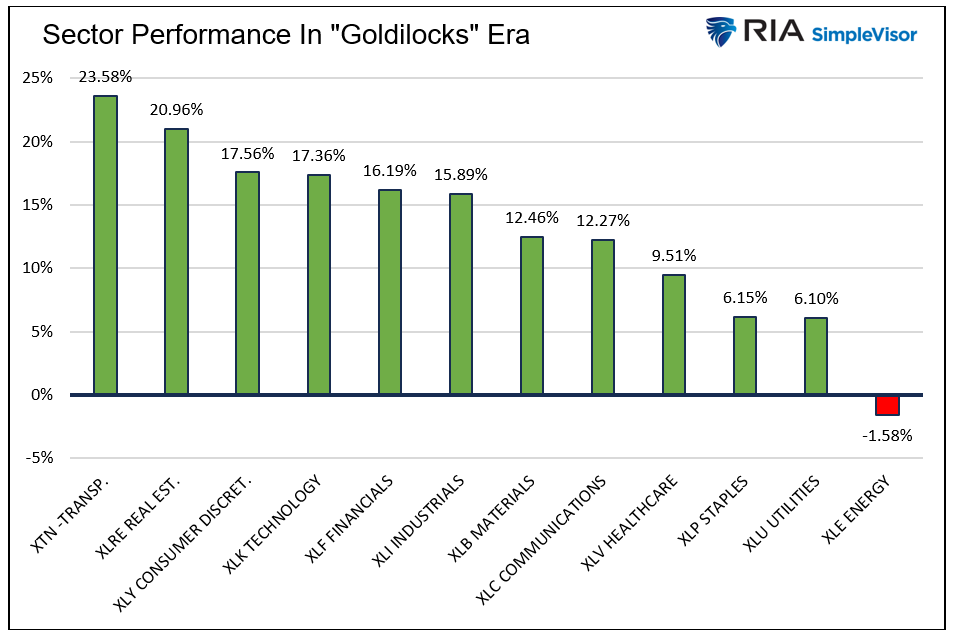
Today's popular narrative is a growing consensus for the Fed to engineer a soft landing and a “Goldilocks” economy.
Take this little “acid” test, and you will know if a subscription model could work for your practice.
What if I like running my practice the way we are right now?
JPMorgan Chase & Co. reports earnings on Friday, and Chairman and Chief Executive Officer Jamie Dimon is bound to have some choice words about the state of his industry when he sits on a call with investors at 8:30 a.m.
How do you make your marketing, something that’s blasted out to the public, feel personal enough to entice individual leads based on their specific needs?