Advisors and investors find themselves inundated with decisions and choices when investing in the crypto economy. Between deciding what cryptocurrency to invest in (bitcoin, ether, tether, solana, etc.) and how to gain exposure (direct exposure, indirect exposure, via an ETF), fitting crypto into a portfolio can be a complicated affair.
August brought with it a slowing in ETF launches from the summer spree, while inflows continued as investors increasingly bought into bonds.
With an interest rate cut looming this month, investors may be looking at their available options. For many, their passive bond funds have done well, but may not be well-positioned for one or potentially multiple cuts.
Packing for a child heading off to college? Don’t forget the legal documents.
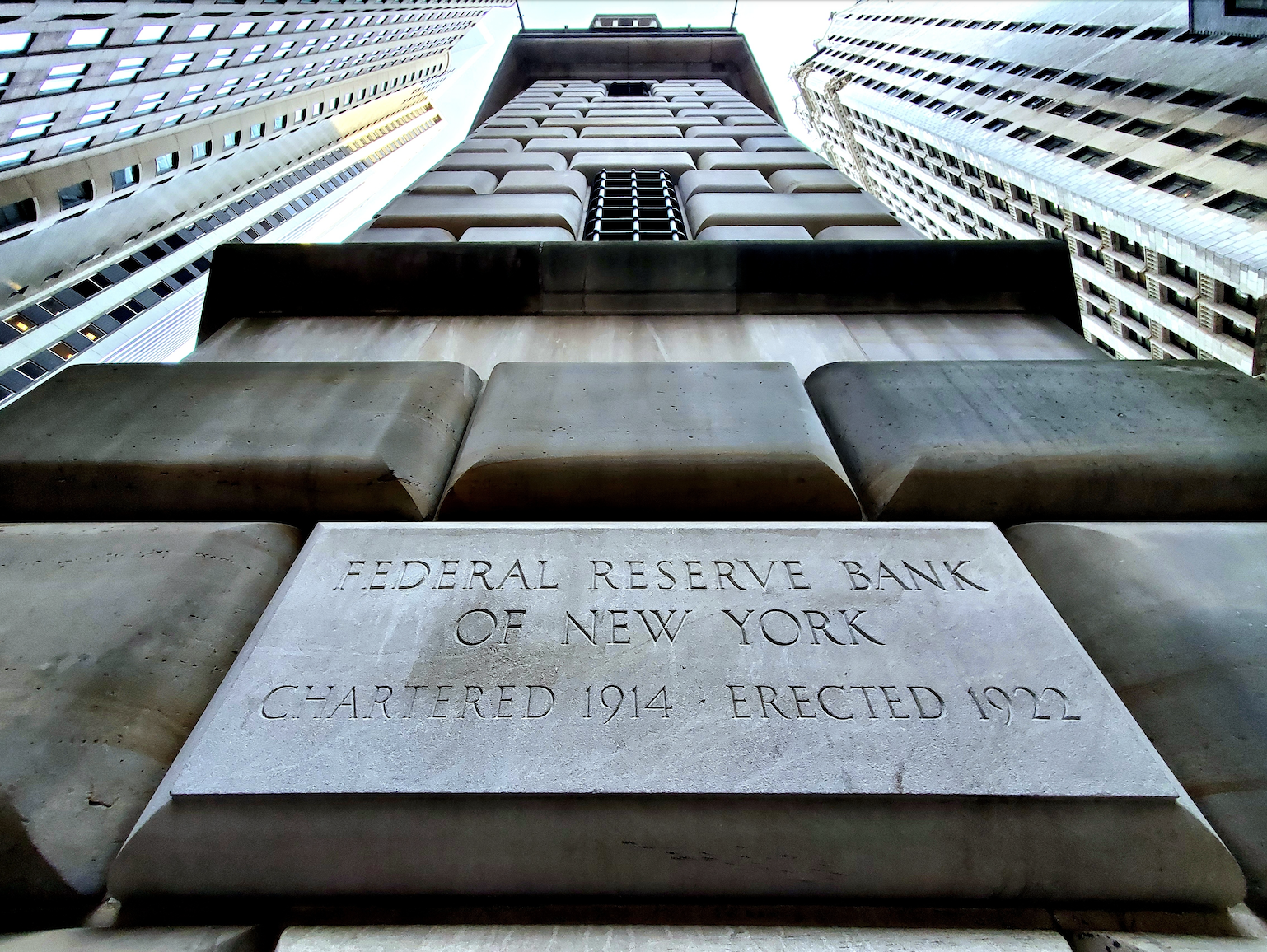
Independent central banks are a relatively recent concept.
Much of the data we see today indicates the economy is fine. Stocks continue making new highs. Consumer spending is shattering records. Unemployment rates remain low. Yet a single anecdote can dispel the illusion that everything is truly fine for the average American.
Count stocks from China among this year’s international standouts. Widely observed gauges of equities in the world’s second-largest economy are outpacing both the S&P 500 and the MSCI Emerging Markets Index by comfortable margins since the start of this year.
To paraphrase Churchill, financial markets are a “long, dismal catalogue of the fruitlessness of experience and the confirmed unteachability of mankind.” But we hope you had a wonderful summer.
Advisors have looked to international markets for much of this year for a crucial source of diversification amid U.S. uncertainty.
The AI adoption case is gaining momentum across an array of industries. A trend that largely started in the financial services and healthcare sectors is spreading rapidly to other realms.
From a revenue perspective, we were also encouraged by sales coming in +2.1% higher than analysts expected, with all 11 sectors showing positive revenue surprises. This also allays our fears that tariff impact might be worse than the analyst community feared.
In this video, Chuck Carnevale, co-founder of FAST Graphs (“Mr. Valuation”), examines five managed healthcare stocks (companies) to assess whether they have recovered from recent industry challenges or remain “sick.” The companies analyzed are UnitedHealth Group (UNH), Elevance Health (ELV), Humana (HUM), Centene (CNC), and Molina Healthcare (MOH).
As emerging markets navigate deglobalization, tariffs and regional conflicts, they are pivoting toward domestic drivers of growth and intra-regional trade
Whether you’re building your portfolio, trying to diversify or considering new investments, understanding the difference between active and passive funds is extremely helpful. Both mutual funds and exchange-traded funds (ETFs) can be either active or passive.
When equity markets rise to record highs, it’s natural for investors to feel a twinge of anxiety about putting more money into stocks. The fear of an impending correction often looms large.
The house of pain continues with small caps, at least on a relative basis. Year-to-date, the S&P 600 index has posted a 3.0% gain, so it's not like money is being burned. But still, even the Bloomberg Aggregate Bond index is up 4.9% YTD and the S&P 500 is up 10.9%.
Late last Friday, the Court of Appeals for the Federal Circuit (CAFC) largely affirmed the Court of International Trade’s (CIT) May ruling blocking President Trump’s tariffs imposed under the International Economic Emergency Powers Act (IEEPA).
This past week, we saw a sweeping change in U.S. trade policy come into effect with the termination of the long-standing “de minimis” exemption on small, imported parcels.
The U.S. stock market continues to trade near all-time highs, with performance again concentrated in a handful of the largest, predominantly tech-oriented companies in the S&P 500 Index. Meanwhile, active managers are continuing to underperform.
401(k) Day, celebrated annually on the Friday after Labor Day, is more than just a reminder to check your retirement account.
After a volatile first four months of 2025, it was a good summer for investors to go on vacation, as markets, for the most part, went up weekly.
In this article, Russ Koesterich discusses the merits of increasing one’s allocation to gold ahead of the potential for some seasonal volatility in the fall.
As demand for personalized investing strategies has increased, direct indexing has become one of the fastest-growing types of separately managed accounts (SMAs).
Doug Drabik discusses fixed income market conditions and offers insight for bond investors.
Markets rallied in August as hopes for a September Fed rate cut boosted equities, small caps, and income-oriented fixed income sectors, though risks of inflation and valuation excess remain.
Relations across the English Channel have stabilized.
Nvidia made a splash last week, or maybe an anti-splash, when it reported earnings and stated an intention to buy back $60 billion in stock.
Equities thrive when discount rates are low. Cheap capital inflates the present value of future cash flows, giving companies more leeway to finance growth and investors more willingness to pay higher multiples.
With an eye on mitigating rate risk, short-term bond funds have been the apple of fixed income investors’ eyes the past few years.
Emerging market investing has long been dominated by China’s outsized role. The country once accounted for roughly 30%-40% of many EM indexes.
Here is the hard truth you must learn. Your real edge comes from limiting damage when you’re wrong and maximizing gains when you’re right, which is the very foundation of any risk plan. You will lose. You must build your system around that fact.
Investing in cryptocurrencies began as a grassroots movement of investors who believed in the importance of decentralization.
The Nasdaq-100 Index (NDX) is higher by 87.4% for the three years ending August 28. And the Magnificent Seven stocks are taking on larger percentages of other widely observed benchmarks.
It’s a deeply ingrained investing maxim that risk and return go hand in hand: to get more return, you must accept more risk.
The housing market remains out of sync with the broader economy as affordability is depressed, but an improvement in supply and demand dynamics might be on the horizon.
Earnings results surpassed expectations for the third consecutive quarter, which drove the market's strong August performance.
Powell’s speech seemed to give an all-clear signal for a cut in September. The speech started with a focus on the softening labor market, concluding it is in a “curious kind of balance” with rising risks of layoffs.
Here’s how I see it going into a critical data week: the inflation gauges landed precisely on expectations while an ugly July trade gap shaves some growth from Q3, and that combination keeps the Fed on a path to cut 25 basis points at the next meeting.
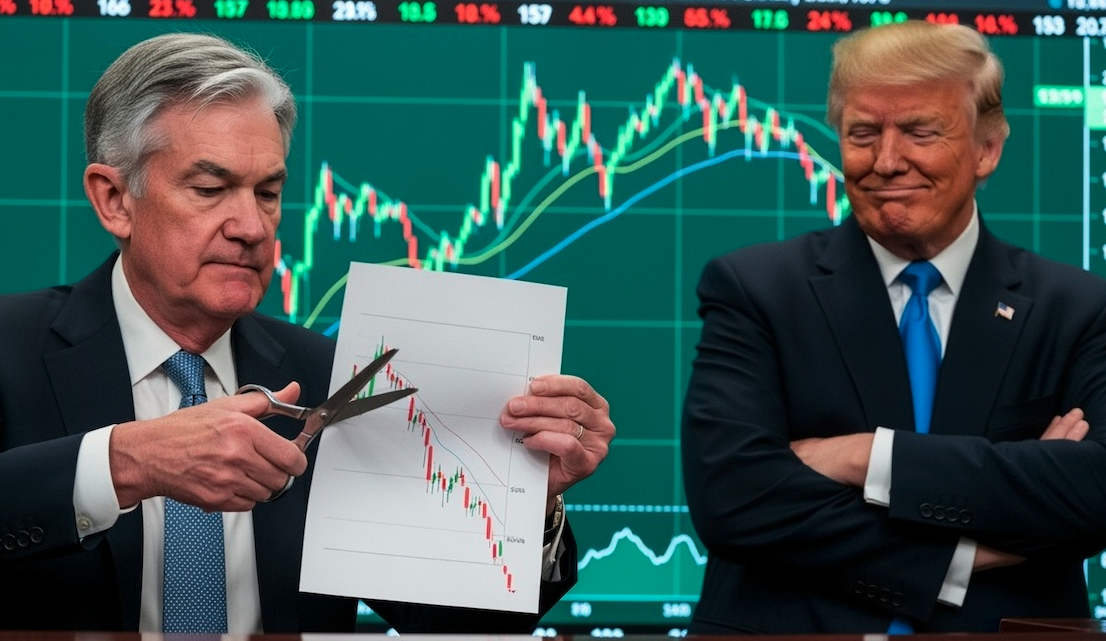
Markets surged late last week after Federal Reserve Chairman Jerome Powell suggested at Jackson Hole that the U.S. central bank may be ready to cut interest rates in September. Traders took it as a green light, while Goldman Sachs, J.P. Morgan, Barclays and others quickly pivoted their forecasts. The CME FedWatch tool now puts the odds of a September cut at nearly 90%.
In our opinion, all of these legitimate concerns are, to various degrees, already priced into financial markets. The impact of these on the ongoing stock market rally will depend on their trajectory relative to investor expectations.
For the past two years, we have been warning that the stock market is overvalued. While our capitalized profits model is simple, it is more complex than just looking at price-earnings or price-sales ratios.
Streamlining government spending is a worthy cause in the effort to establish a more sustainable budget. Let’s review the progress of the Department of Government Efficiency (DOGE) and outline some areas for improvement.
Energy prices indicate economic strength, or, in this case, weakness. If the global economy grew strongly, the need for oil consumption would rise, absorbing the current production levels, causing energy prices to rise.
Curiosity gave birth to philosophy. Ongoing intellectual curiosity is still driving investment success thousands of years later.
Learning to read the Fed minutes effectively can help traders understand the central bank's policy-making process, sentiment, and rate expectations, all of which can impact markets.
Each bank sets its own Beige Book reporting priorities, though prices, jobs and real estate are common themes. The Kansas City Fed, for example, covers nine topics, including community conditions, community and regional banking and agriculture.
In this video, Chuck Carnevale—co-founder of FAST Graphs and known as Mr. Valuation—explains why investors should avoid paying premium prices for stocks, why buying overvalued stocks Is risky – even when the businesses themselves are high quality.
Last week's economic data revealed strong economic growth running up against rising prices and falling confidence.
On this week’s edition of Market Week in Review, Senior Investment Strategist and Head of Canadian Strategy, BeiChen Lin, explained key factors fueling the strong performance in North American stock markets. He also assessed the latest U.S. Federal Reserve (Fed) developments and shared upcoming watchpoints for the U.S. and Canadian labor markets.
The adage “don’t borrow trouble” advises us against distressing over problems yet to occur. But we don’t think it should apply to retirement planning. In fact, digging into what concerns DC plan participants now may help them avoid retirement pitfalls down the road.