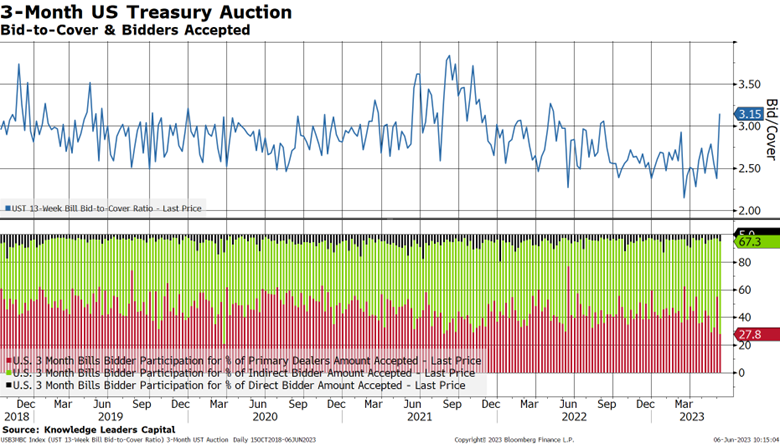
Global bonds are slumping after two shock interest-rate hikes this week served traders a reality check that central banks are far from done fighting inflation.
Various forces have contributed to this collapse, including advertisers fleeing from extreme content; brands and celebrities quitting the site; and the risible failure of the Twitter Blue subscription, which transformed the “coveted” blue check into a mark of comic derision.
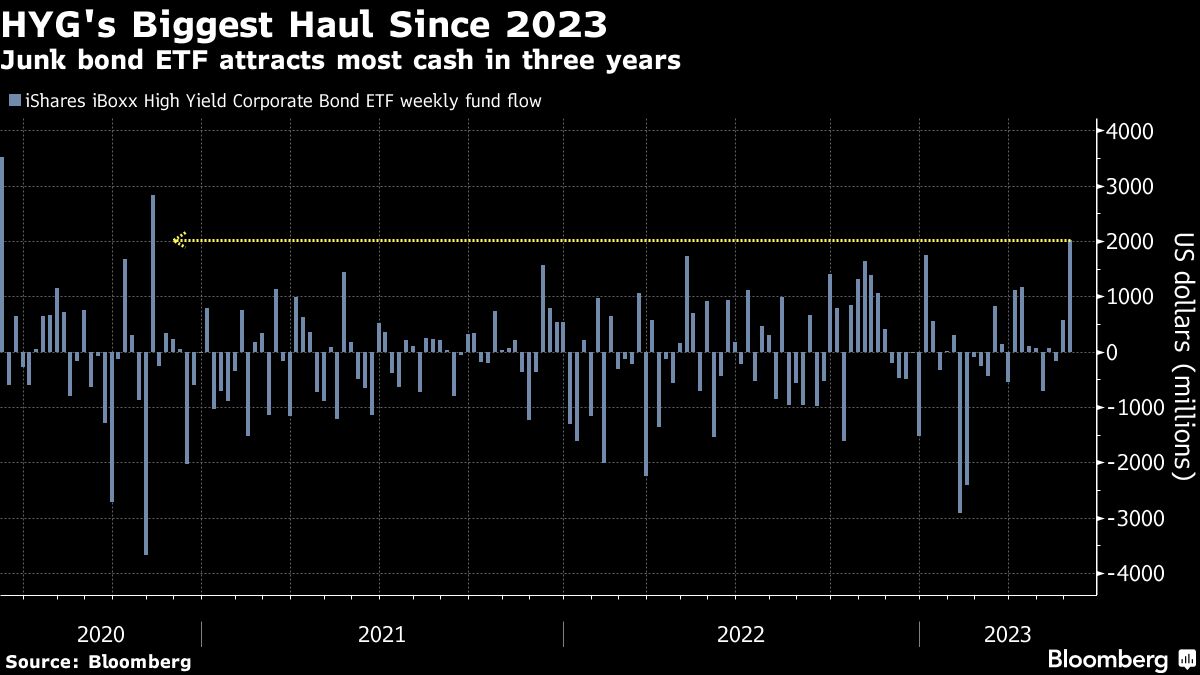
Investors are piling cash into the largest junk bond exchange-traded fund at the quickest pace in nearly three years amid a broad rebound in risk assets.
Relative rotation entails shifting among stocks, sectors, and stock factors. The strategy adds significant value to portfolio management if done well.
Today BloombergNEF released its seventh annual Electric Vehicle Outlook. The report offers reams of new data and projections around what’s become a familiar story: EV sales are growing at double digits each year and are now the only growth area in the global passenger vehicle market.
The collapse of Silicon Valley Bank will likely lead to tighter credit conditions as banks pull back from lending. Private credit managers are poised to fill the void that banks have left and can negotiate favorable terms, according to Franklin Templeton Institute’s Tony Davidow.
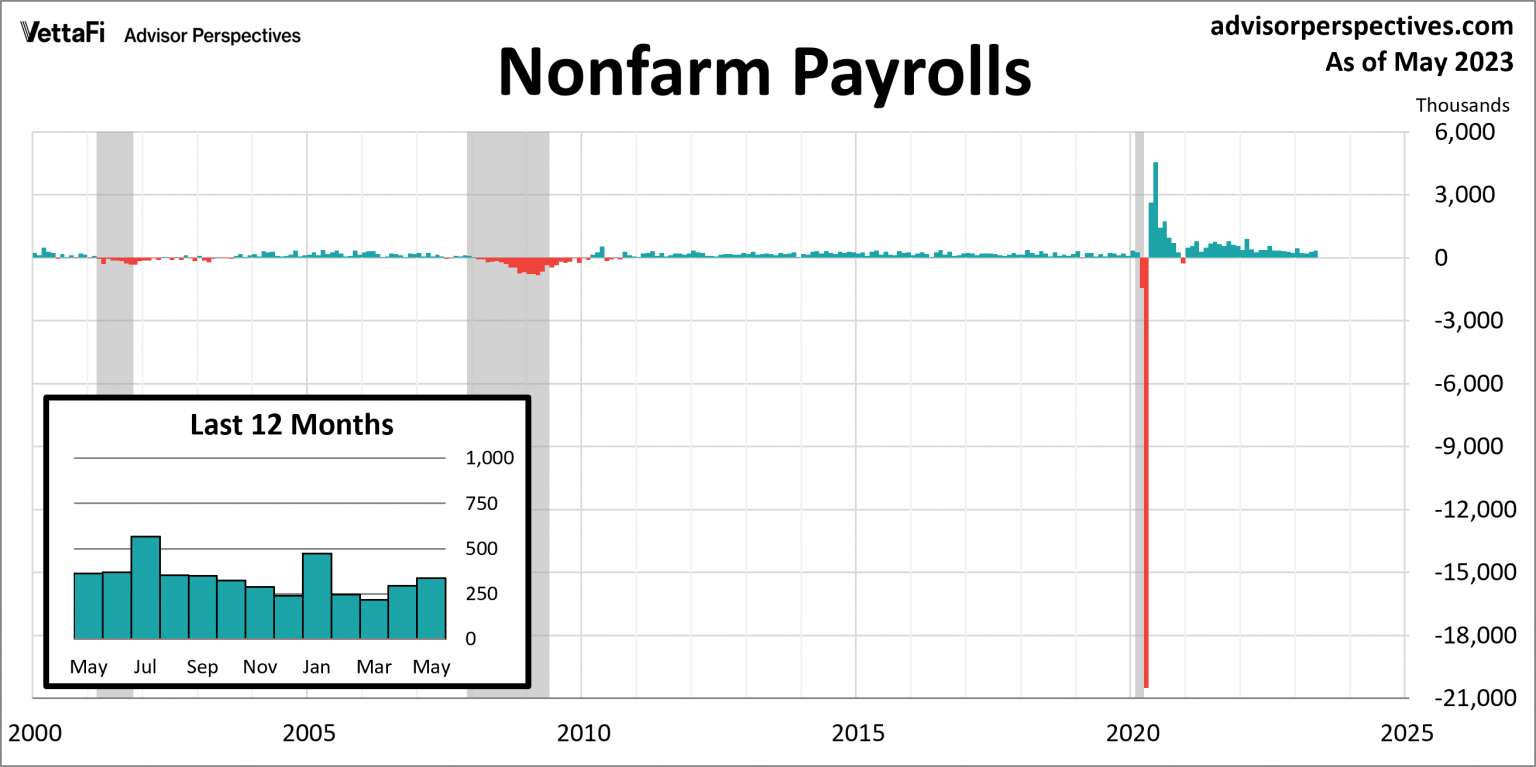
Several key economic indicators are released every week to help provide insight into the overall health of the U.S. economy.
Real estate ETFs have become a popular investment option for investors who want to gain exposure to the real estate market without owning physical properties. However, with some experts predicting a real estate recession, advisors may be wondering if such funds remain a good option.
Two weeks ago, we noted that Congress would soon raise the debt ceiling, but that this could set up unexpected consequences for investors. Now that the debt ceiling is raised until 2025, the US Treasury is free to fund the government’s liabilities since January.
Zehrid Osmani, Head of Global Long-Term Unconstrained at Martin Currie, discusses the recent positive earnings reports from large U.S. banks and explains why their firm has no plans to invest in the banking sector.
Investors have had a lot to contend with thus far in 2023. Moderating economic growth, persistent inflation, volatile interest rates, falling profits, stress in the banking sector, war in Ukraine, and the debt ceiling debate all combined to weigh on sentiment.
Earlier this month, WealthManagement.com announced the finalists for its 2023 Industry Awards (the “Wealthies”). VettaFi is one of two firms to be recognized for outstanding achievement in research innovation. The Wealthies was the first award program of its kind to honor companies, organizations, and individuals supporting financial advisor success.
VettaFi’s vice chairman Tom Lydon discussed the KraneShares CSI China Internet ETF (KWEB) on this week’s “ETF of the Week” podcast with Chuck Jaffe of “Money Life.”
Asset-Map is a tool for financial professionals to visually map and provide feedback on their client’s financial picture. With better insights into a client’s financial inventory, advisors can help clients identify risks, opportunities and track progress to their financial goals. Adam Holt joins me to discuss Asset-Map and his vision for the future of technology-enabled advice delivery.
Let’s change the language for how we help employees make behavioral shifts.
US corporate bond investors are getting a new artificial intelligence-powered tool aimed at helping them more easily make electronic trades with increased transparency in the notoriously opaque market.
The once-hot Wall Street trades of 2023 are all falling apart, in a fresh blow to market pros blindsided again and again ever since the pandemic broke out.
Chief Economist Eugenio J. Alemán discusses current economic conditions.
The drama characterizing the first half of 2023 may abate, with potentially milder returns for investors due to the effects of the Cardboard Box Recession.
Some investors may not want to go all-in on AI, preferring a more diversified approach to their investments. For those investors, there are stock picker ETFs that have holdings in AI-focused companies but won’t bet the house on AI.
Lately, we discussed macro-related market issues such as the” A.I., chase,” but a technical review can help manage shorter-term risks. Currently, the debate is about the market rally from the October lows. Is it a resumption of the 2009 bull market trend or an extended bear market rally?
Fixed income indices have helped modernize fixed income markets by providing a method for standardization. Fixed income tradable indices go a step further by underlying tradable instruments like ETFs and swaps and thereby building a bridge to investor implementation and actionable insight. Learn how fixed income indices are playing a key role in the evolution of the credit ecosystem.
The first step in winning the “war for talent” is understanding what your potential employees want.
Wall Street has been caught by surprise by a rally in local emerging-market debt, an asset class that’s been largely abandoned by foreign investors after a decade of underperformance.
For the majority of PayPal Holdings Inc. analysts, the only way is up. The trouble is, the stock keeps going down.
There are no immutable paradigms in our profession. Some outcomes are more likely than others, but declaring that something will “never” happen is dangerous.
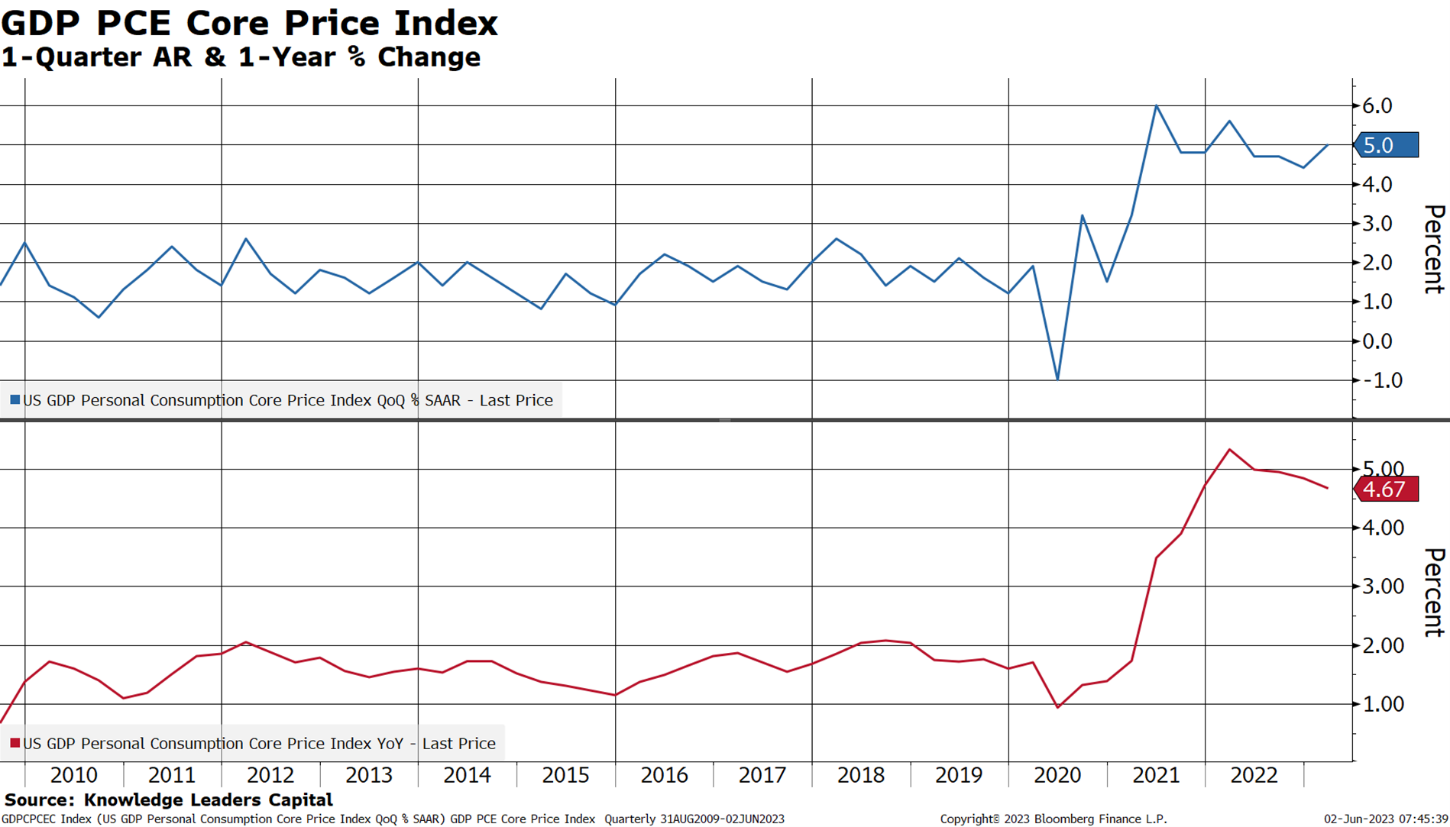
In the United States, Core PCE Inflation is still 5.0% after a recent reversal in disinflation. This measure is followed by the Fed and excludes volatile food and energy inflation.
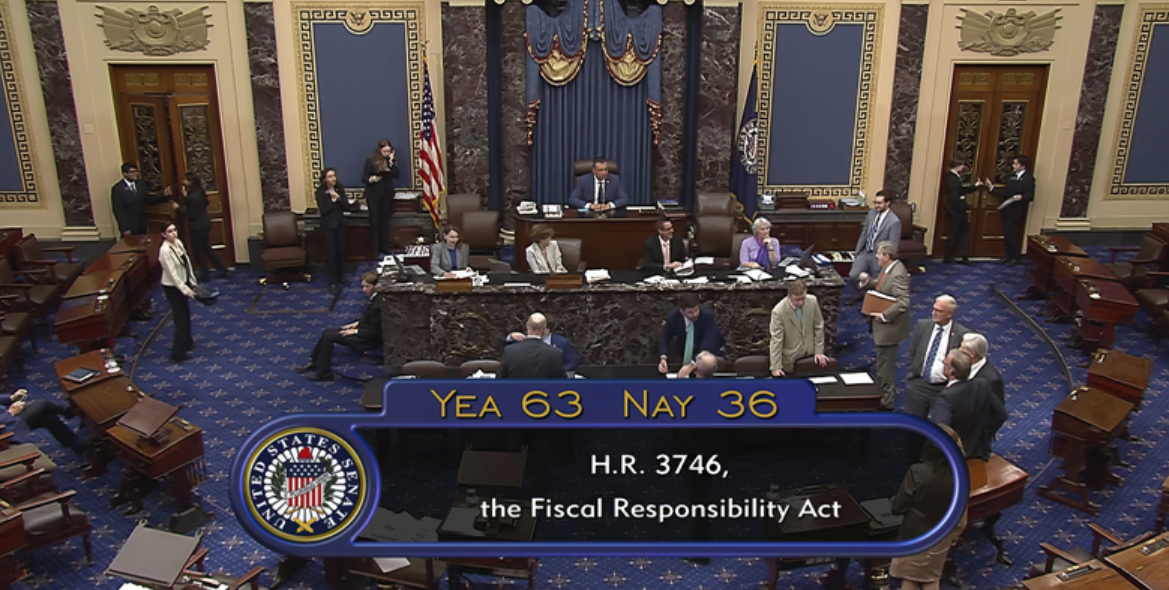
The measure ends weeks of negotiation and unease about a potentially catastrophic government default.
Portfolio Manager Alex Zarechnak identifies six key themes from the COVID years—some new, some familiar—to help anchor investors in today’s emerging markets.
Tony Davidow, Senior Alternative Investment Strategist with Franklin Templeton Institute, illustrates the potential impact of adding alternative investments to pursue growth and income—as well as seek to dampen volatility—during the accumulation and distribution phases of retirement.
Nasdaq’s Alison Doyle goes around the world of ETFs, highlighting flows, trading, launches, and new filings. VettaFi’s Tom Lydon discusses recent advisor polling data including surveys on equal weighting, stock valuations, bond duration, and more. Zacks’ Sal Esposito explains the Zacks Earnings Consistent Portfolio ETF (ZECP).
As fast as it went up for value managers, it’s coming down. The culprit is the all-consuming craze for artificial intelligence.
A robust implementation strategy and real-world implementation capabilities are both necessary in order to achieve your portfolio’s preferred position.
The industry group Airlines for America predicts that approximately 257 million people will travel on U.S. commercial airlines this summer, representing a 9.5% increase from last year. That would also set a new record, as volumes are projected to surpass the summer 2019 levels by around 2 million passengers.
“Crisis” is an overused word. Actual crises are those rare times when we are on the knife edge of disaster. It’s not a crisis when a bank fails, or Congress can’t agree on a budget. Those are annoyances (unless it's your bank). While not good, they don’t spell immediate catastrophe.
The AI Powered Equity ETF (AIEQ) has garnered attention recently, but not for positive reasons. Despite using artificial intelligence to make investment decisions, the ETF has struggled to perform well, with a disappointing one-year return of -13.92%.
Structural changes in the world’s energy systems represent significant investment potential across an array of sectors. Analysts on our equity research team offer insights into the impact and opportunities.
The artificial intelligence boom is handing a big win to hedge funds angling for an edge.
Choppiness in the equity market continues as investors look to see a debt limit deal approved.
David Dali, Head of Portfolio Strategy, provides his 12-month outlook for global equity markets.
Thoughts on the current US debt challenge and the long-term implications for markets and the economy from Stephen Dover, Head of Franklin Templeton Institute.
Because exchange-traded funds (ETFs) offer a dynamic product that can serve as a buy-and-hold or buy-and-sell investment, they can offer investors the opportunity to reap long-term or short-term gains. Knowing the difference between the two is crucial, especially when it comes time for taxes.
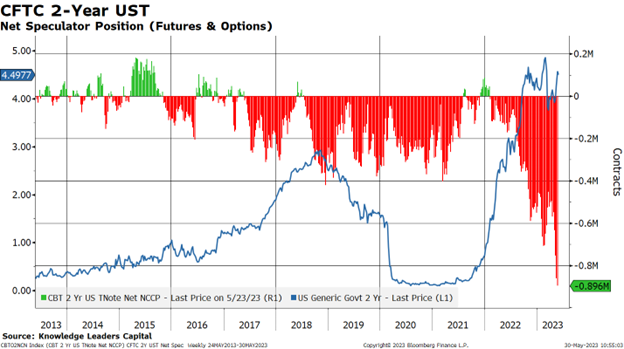
Leading into the weekend, when the debt ceiling had not been settled, markets were exhibiting very interesting positioning.
Artificial intelligence (AI) has revolutionized how we live and work, and it is now poised to transform the investing world. As technology continues to evolve and mature, investors are increasingly turning to AI-focused ETFs to gain exposure to this dynamic and rapidly growing sector.
The G7 countries may have set out to deter China without escalating the new cold war, but the perception in Beijing suggests that they failed to thread the needle at their recent summit in Hiroshima.
Explore the recent developments in artificial intelligence, the implications for industries and our perspective on investment opportunities.
Brex, a credit-card startup, has seen a surge in usage of its products following this year’s regional banking turmoil.
The US Federal Reserve is adrift, and it has only itself to blame. Regardless of whether its policy-setting committee announces another interest-rate hike in June, its top priority now should be to address the structural weaknesses that led it astray in the first place.
The Federal Reserve’s higher interest rates, the work from home trend, ESG distractions, increases in crime, etc., are having far reaching effects on our economy and investors.
Inflation has proven sticky, even as growth weakens. Markets are realizing that policy rates are set to stay higher for longer. We like quality in stocks and bonds.