I have written for years that oil prices act like a tax on the economy, both in the US and globally. It is actually simply the price paid, but the effect on the economy is similar to a tax. If the price goes up, it takes more money from individual consumers that would otherwise be saved or spent somewhere else. Just like taxes.
After more than three decades of watching oil markets upend economies, one pattern keeps repeating: investors learn the wrong lessons from the last shock. The 1973 OPEC embargo taught us that geopolitical disruptions are temporary.
March 2026 was a rough month for financial markets. Broad indexes experienced large selloffs, led by international stocks, though many of these still remain up in 2026. The dollar rallied strongly, breaking its year-plus downtrend.
Volatility is a trader's bread and butter: Without it, profits are harder to come by. However, when volatility remains elevated for an extended period, it could be the sign of a more deeply rooted market shift.
Generational wealth doesn’t disappear because families fail to invest well. It disappears because the knowledge, communication, and decision-making structures surrounding that wealth were never intentionally passed down.
The war in Iran has been costly, in a number of ways. First and foremost, the humanitarian consequences have been substantial: the price paid by those in harm’s way is immeasurable.
Cities such as New York and Chicago are in deep financial trouble. Broadly speaking, they have two options: Make the difficult but appropriate choice to raise taxes and reduce the scale of government, or continue to live in a state of denial, increasing their pension obligations while also promising their residents more services.
BlackRock Inc. is setting its sights on a corner of the $13.7 trillion US exchange-traded fund industry long controlled by Invesco Ltd: tracking the Nasdaq 100 Index.
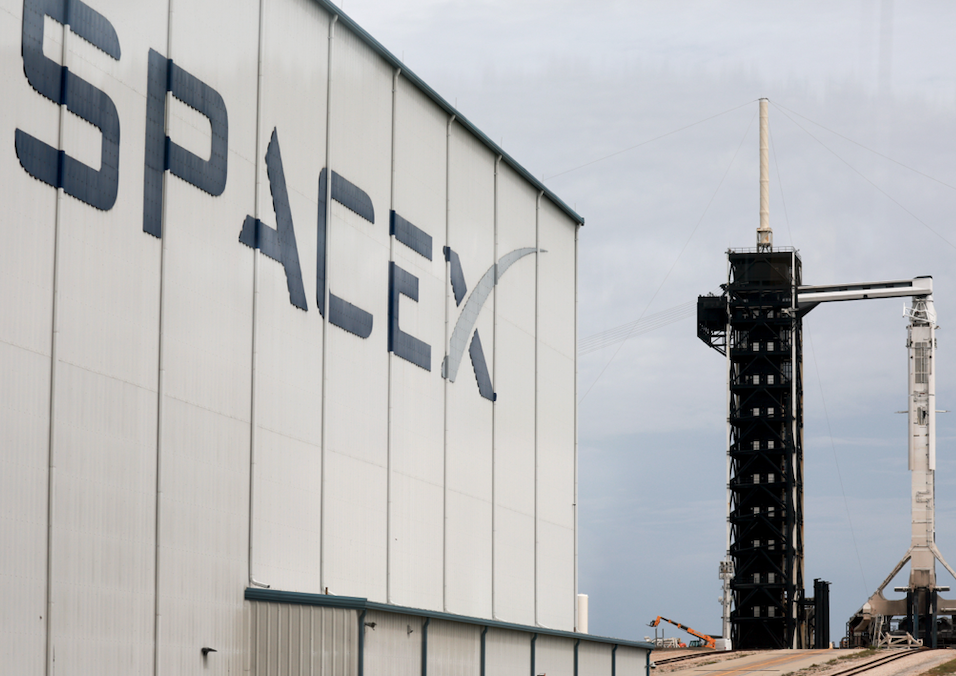
The next 12 months are expected to bring a bumper crop of mega initial public offerings to market. Billionaire Elon Musk’s rocket, satellite and AI company SpaceX has reportedly filed for a potentially record-breaking offering.
For much of the past decade, U.S. investors didn’t need much convincing to stay close to home. But according to experts at a recent AllianceBernstein (AB) Product Due Diligence Session, the tide shifted dramatically in 2025, signaling a “new dawn” for non-US stocks.
Amid hopes that the conflict in Iran will soon de-escalate, stocks rallied in recent days. This provided some much needed relief for the growth-heavy Nasdaq-100 Index (NDX). However, advisors and experienced investors know that things can change in a heartbeat.
US equities and crude oil prices edged higher as investors focus on signs of a potential diplomatic push toward a ceasefire in the Iran war.
Bond traders kicked off the week betting that the Federal Reserve will keep interest rates on hold for the coming year, with the Treasuries market holding steady ahead of President Donald Trump’s extended deadline for Iran to reopen the Strait of Hormuz.
As Q1 2026 comes to a close, we follow up on an article we published last week on buybacks by analyzing corporations' other favorite way to return value to shareholders. The percentage of companies increasing dividends in Q1 was the highest level since Q1 2019 (45%).
Markets often react sharply to geopolitical developments, but just as often, they overreact. Investors today are grappling with heightened global tensions, rising oil prices and uncertainty around central bank policy. The key question is whether these risks meaningfully alter the economic outlook or simply create short-term volatility.
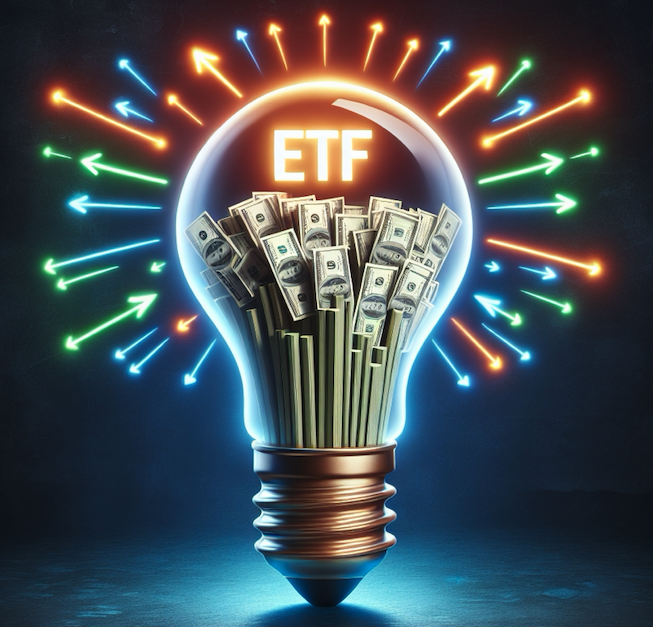
Exchange-traded fund issuers are shutting new products at the fastest pace in years as competition for investor money intensifies.
March 2026 ETFs: Investors pivot to safety with $29B in short-term bonds and a record $5B in Energy as Tech faced a Q1 recalibration.
Finding the right strategy for long term growth means understanding how AI is reshaping the research process and curating a repeatable, integrated investment framework. Join the experts at Baron Capital as they unpack technology, innovation, and long term growth investing.
Income ETFs using options have been one of the biggest categories in recent years. As global volatility has risen, advisor clients and investors of all kinds have clamored for some added income.
A look at ETF flows for the month of March suggests caution is back in vogue. Fixed income ETFs showed serious muscle in the asset gathering race last month, capturing nearly 45% of net creations.
It has now been over three years since GMO launched our Small Cap Quality Strategy in September 2022. During that period, the world has shifted, and we have navigated unexpected market conditions.
Rising demand for critical microelectronics, bolstered by AI capex and defense spending, is driving semiconductor prices higher and posing upside risks to global goods inflation.
Every March people around the country start talking about their brackets. Most are referring to their basketball tournament bracket, hoping to predict the winners and maybe earn some office bragging rights.
SpaceX has filed confidentially for an initial public offering, according to people familiar with the matter, bringing billionaire Elon Musk’s rocket, satellite and AI company closer to delivering the biggest-ever listing.
The stock market is looking past the sharp interest rate hikes priced by Europe’s bond market, risking losses for investors backing the wrong outcome.
Big names in crypto, payments and cloud infrastructure are racing to build the financial plumbing for a world in which AI agents — not humans — handle transactions on the internet.
Total return is the entire amount of income passed to an investor holding a particular security. It annualizes any price change plus any dividends or interest earned over time.
Less than two months ago, projections showed the US government on track to borrow some $2 trillion this year with budget deficits exceeding 5% of gross domestic product indefinitely. Since then, this dire outlook has worsened — thanks to the Supreme Court’s ruling on tariffs, the war with Iran, the prospect of slowing economic growth and rising interest rates.
Unilever Plc’s Fernando Fernandez haslucked out by selling the company’s food businesses, including Hellmann’s mayonnaise and Knorr stock cubes, to McCormick & Co. But Fernandez, who’s been chief executive officer for just over a year, shouldn’t squander his good fortune; he needs a clear vision for what comes next.
When Edward Jenner inoculated an eight-year-old boy with cowpox in 1796, the principle was radical: Expose a healthy body to a mild, manageable version of harm, and it builds the defenses to survive something far worse. The cowpox patient never got smallpox. Markets work in much the same way.
Oil prices are the key transmission channel, and how far they rise and how long they remain elevated could shape the outlook for growth, inflation and policy, with implications for bond markets.
Systematic equity investing is a way to invest in the stock market using clear rules and data, rather than guesswork or hunches. Instead of trying to pick stocks based on trends or headlines, this approach uses research, data, and technology to systematically identify opportunities across global markets.
Systematic indexing removes the psychological stress of timing crypto markets by allowing advisors to capture broad asset-class returns through disciplined rebalancing.
Join us on Wednesday, April 1 at 11:30 a.m. CT where we will look further into this differentiated way of investing outside the US.
DoubleLine continues to fortify its presence in the ETF market, adding a new active fixed income solution designed for today’s complex interest rate environment. The DoubleLine Ultrashort Income ETF (DLUX) launched on NYSE Arca on April 1, marking the latest expansion of the firm’s rapidly growing ETF lineup.
All eyes were turned toward the Middle East throughout the month of March, with the US and Israel’s ongoing conflict with Iran causing energy prices to surge. The closure of the Strait of Hormuz, alongside damage to energy infrastructure across the gulf region, caused crude to rise above $100 a barrel for the first time since 2022.
This week’s column is dedicated to improving two of the most critical skills: asking strong open-ended questions and listening in an active and reflective way. Let’s start with the harder part — listening.
How should RIAs think about advisor cash compensation? This article focuses on the salary, bonus, and benefits arrangements commonly used in the industry and typically documented in investment advisor representative (IAR) agreements.
The market environment of 2025 provided a compelling example of the benefits of multi-asset investing. Importantly, it is possible that the conditions that supported diversified, multi-asset portfolios last year may persist in 2026 and well beyond.
At ETF Exchange 2026, TMX VettaFi caught up with Dave Mazza, CEO of Roundhill Investments, to discuss the firm’s evolving strategy for ETF innovation in a market that’s continuously seeking specialized exposure.
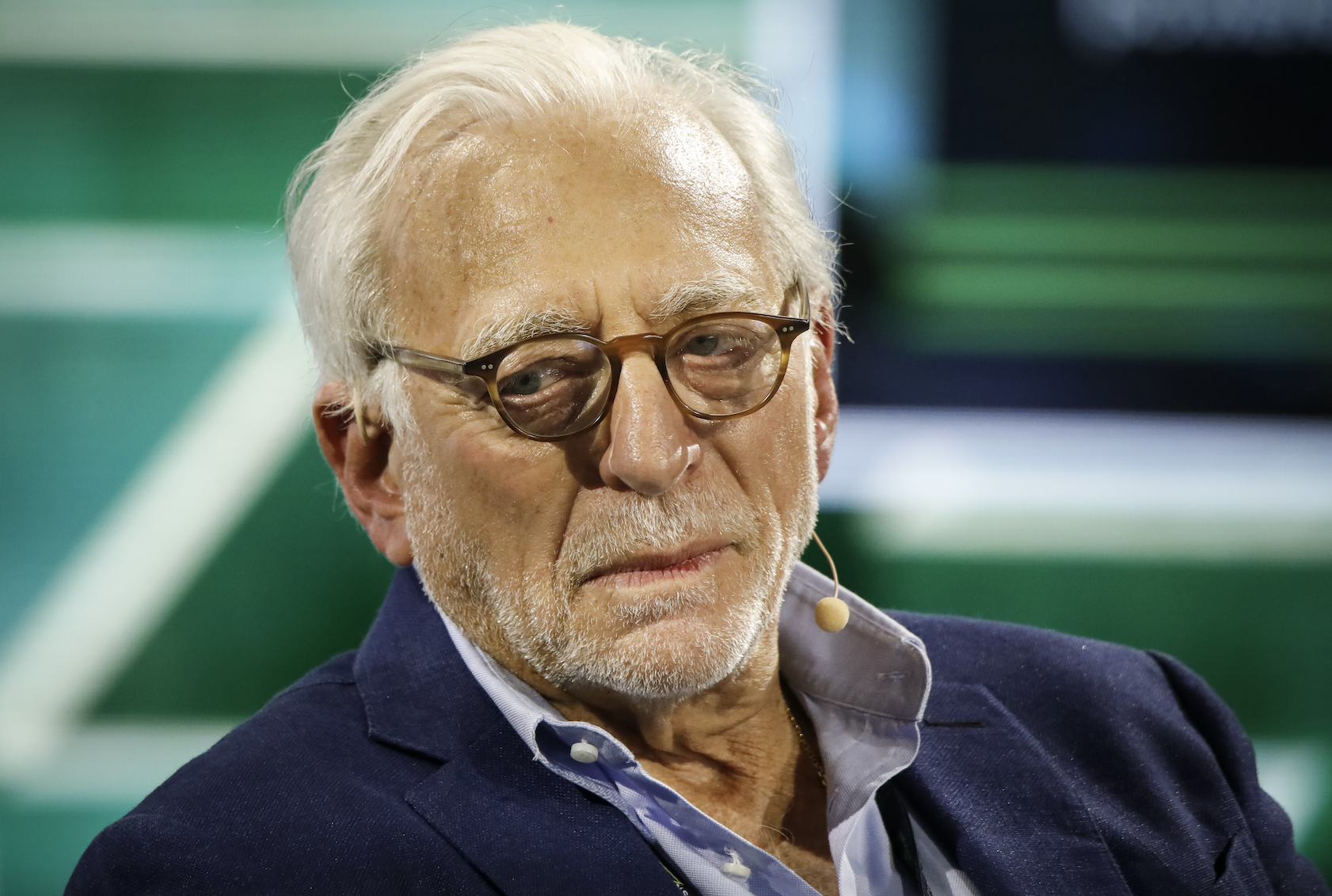
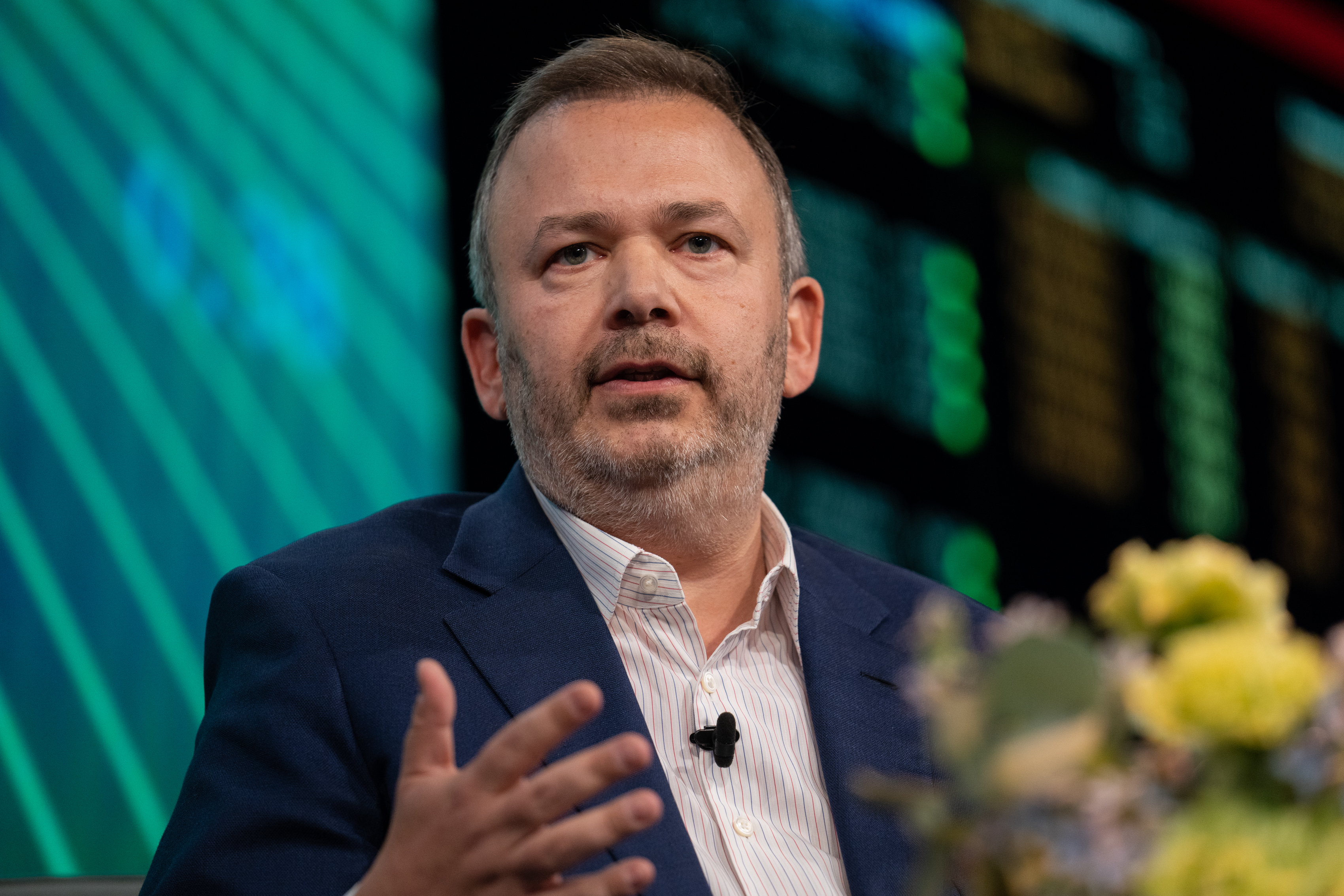
Now that Nelson Peltz has won a surprise bidding war for Janus Henderson Group Plc, the activist investor can start to revamp the $493 billion asset manager he has circled for years.
Eli Lilly & Co.’s Zepbound is helping to solve one of the most intractable health challenges of our time: Obesity. Now, the drugmaker hopes to crack another significant public health problem: Sleep disorders.
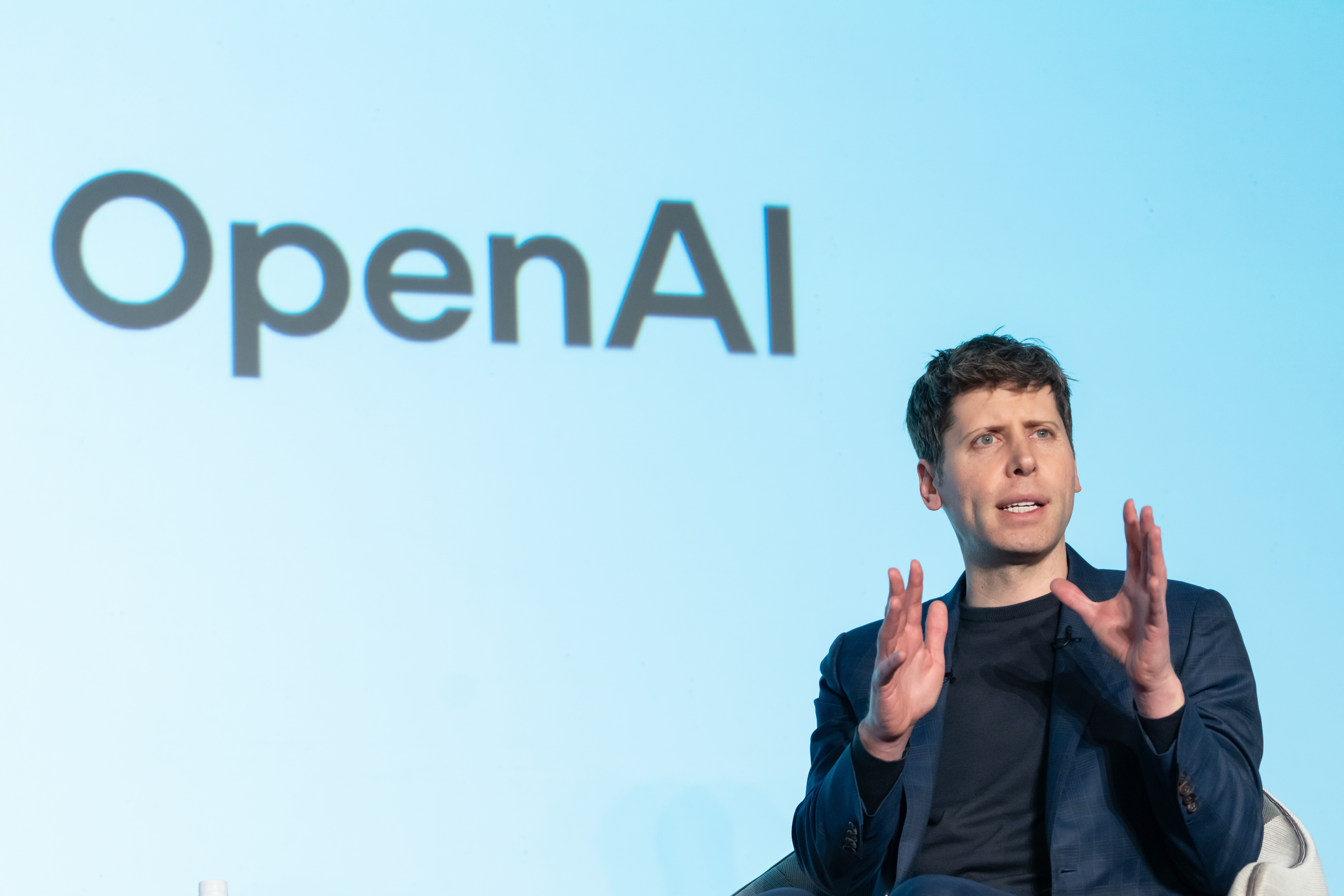
OpenAI has completed a deal to raise $122 billion from investors at an $852 billion valuation, marking the company’s largest funding round to date by far and bolstering its costly push for more chips, data centers and talent.
Department of Homeland Security shutdown continues, and Congress considers addressing growing concern over prediction markets.
The fiat currency collapse narrative is one of the most emotionally satisfying arguments in all of financial punditry. It feels intellectually rigorous, draws on genuine history, and speaks to deep and legitimate anxieties about government overreach, monetary recklessness, and the long-term consequences of unlimited debt creation.
Jeff Buchbinder and Adam Turnquist explain why solid earnings, AI investment, and economic resilience underpin stocks, even as oil prices and volatility pressure markets.
In a recent episode of the Money Metals podcast, host Mike Maharrey sat down with renowned precious metals analyst Jeff Clark to unpack the sharp pullback in gold prices and the dominant narratives driving market sentiment.
The United Nations (UN) warns of a roughly US$4 trillion annual shortfall in financing for its sustainable development goals—a gap too large for the public sector to fill alone.
Hedge fund activist Boaz Weinstein is on the cusp of his most significant campaign victory yet — overhauling an investment trust whose claim to fame is an early bet on Elon Musk’s SpaceX rocket company. But the beleaguered target is doing a good job of trashing the prize pot.
The weight of evidence suggests that the current equity market decline should be viewed as a short-term pullback within an ongoing, longer-term bull market. However, we are watching indicators closely for changes in global economic/market health. Below are five charts we will be paying special attention to in Q2.