Is the Fed trying to wean the markets off monetary policy?
The world’s leading CEOs, politicians, and various do-gooders were in Davos, Switzerland, this week, discussing ways to solve our collective problems and create opportunities for their own companies. The most important conversations were off the record and many of the public speeches were simply performance art.
A January survey conducted by Bank of America shows that 91% of money managers believe China will “fully reopen” in 2023. That’s a significant increase from December 2022. Growth expectations for the country are also at a 17-year high.
U.S. equities are higher, as the markets look to get back to their winning ways after a two-day losing streak.
Investors may be able to lock in higher yield levels notes Doug Drabik, Managing Director, Fixed Income Research and Nick Goetze, Managing Director, Fixed Income Solutions.
A common mistake that investors make regarding dividend portfolio construction is not having a well-thought-out plan.
The lag effect of monetary policy changes will surprise the Fed as the fiscal “pig” of stimulus begins to exit the economic “python.”
Jeff and Ron Muhlenkamp review what happened in 2022 regarding inflation, interest rates, the housing market, supply disruptions, energy problems, and foreign currency turbulence.
Dina Ting, our Head of Global Index Portfolio Management, offers her perspective on the allure of multifactor US mid-capitalization strategies for 2023.
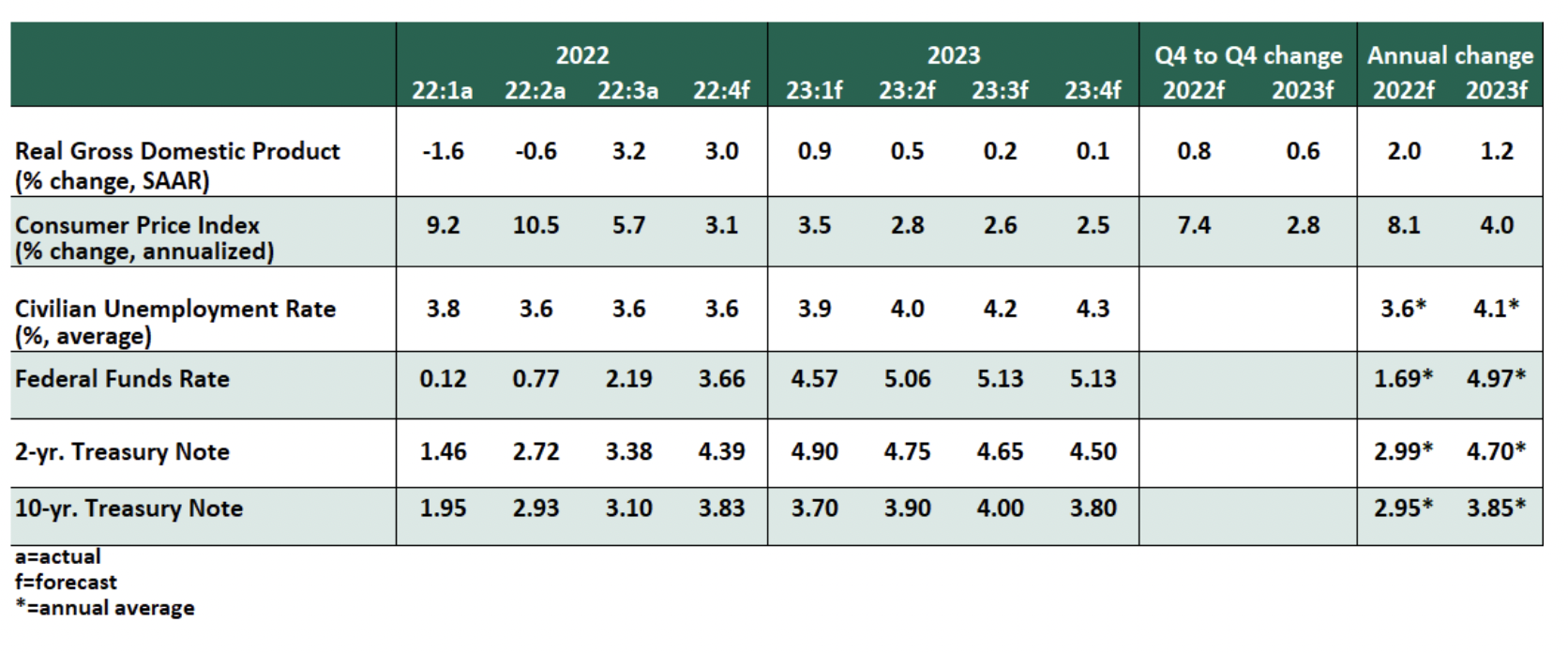
The Northern Trust Economics team shares its outlook for growth, inflation, employment, and interest rates.
2022 was a difficult year for bond investors, but the combination of high inflation and tighter Fed policy should keep yields elevated, creating materially stronger fixed income returns in the new year.
We call them narratives, memes, or mind viruses.
Whatever one’s favored terminology for describing the current moment, there is widespread agreement that we are facing unprecedented, unusual, and unexpected levels of uncertainty, auguring a future of crisis, instability, and conflict.
The Loomis Sayles Emerging Markets Debt Sector Team shares their views on growth, corporate defaults and inflation.
Portfolio Manager Michael Oh, CFA, reviews what he seeks out in innovative companies and why he thinks Asia may be in the early innings of innovation in more than technology.
European policymakers face a dilemma: continue to hike interest rates to combat inflation or ease off to stimulate growth.
We believe it is important to keep you informed on the latest proposals and regulations impacting the retirement industry, as well as implications to your business.
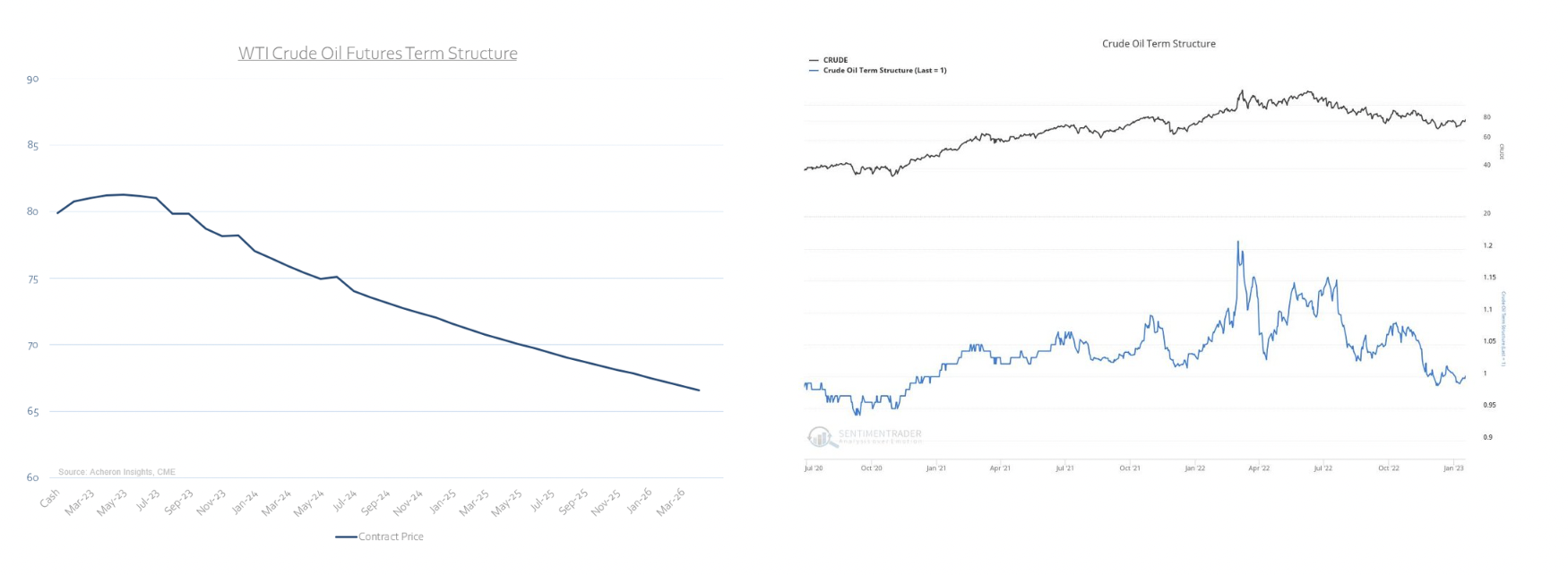
Oil prices continue to struggle as recession fears have curtailed the market is recent months.
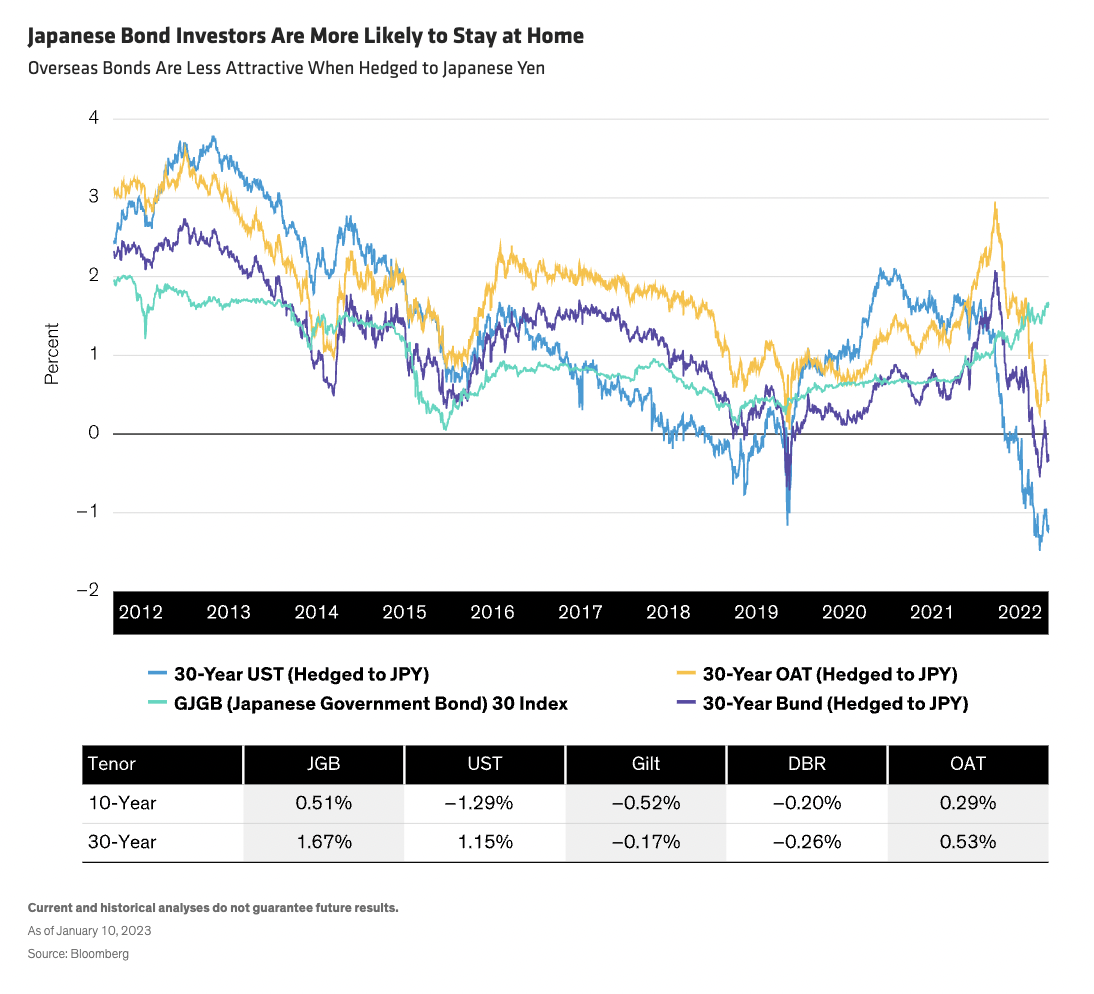
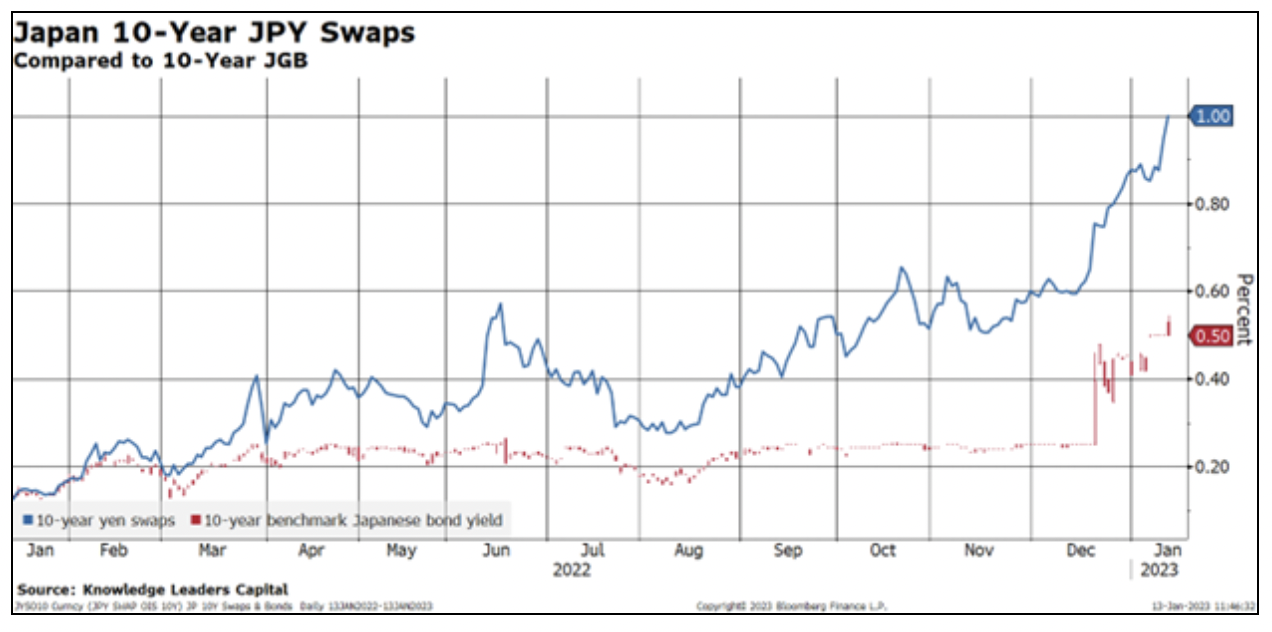
Overnight, traders pressed the Bank of Japan again on its Yield Curve Control (YCC).
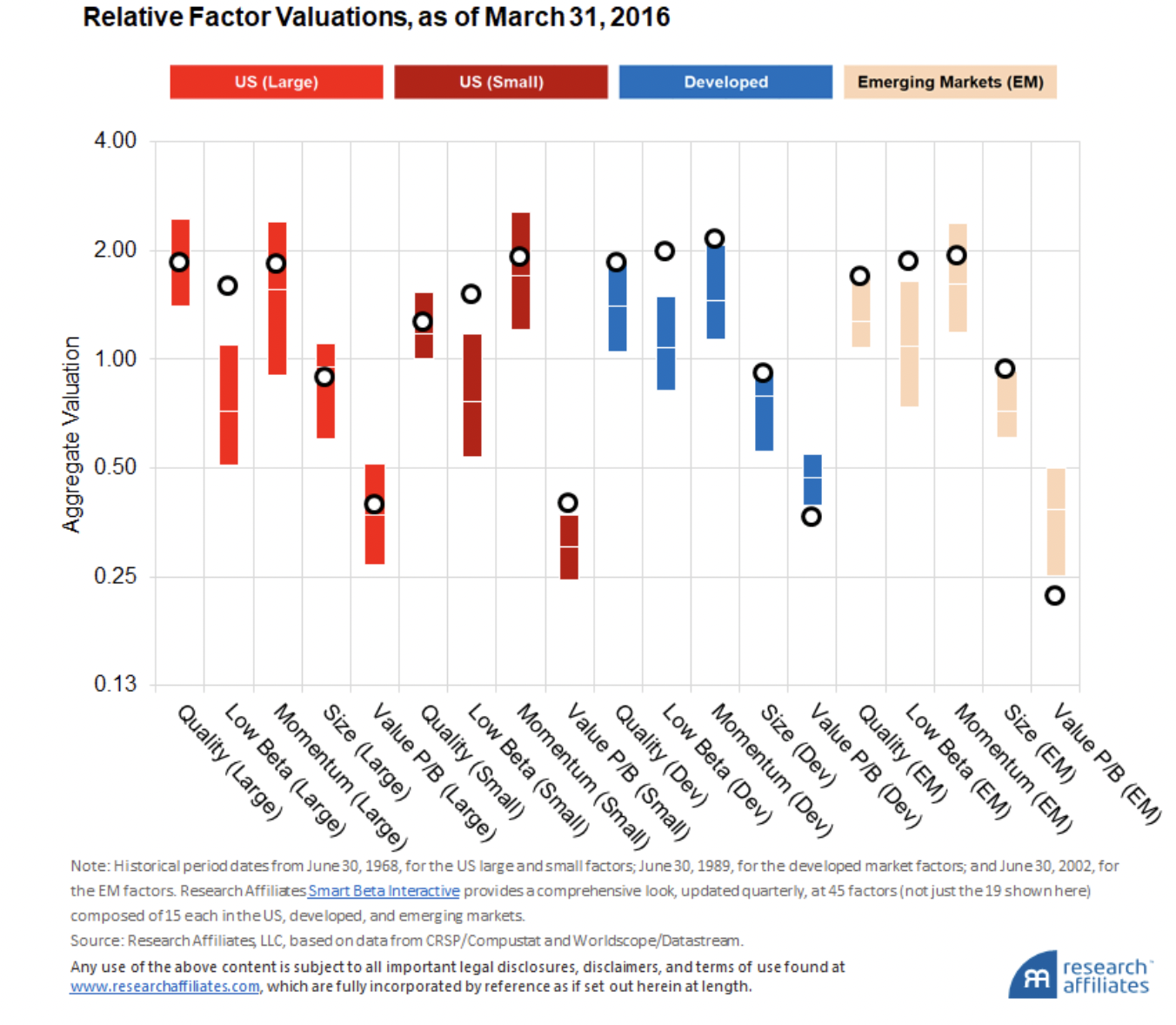
Nearly seven years have passed since the publication of our 2016 paper “How Can ‘Smart Beta’ Go Horribly Wrong?”
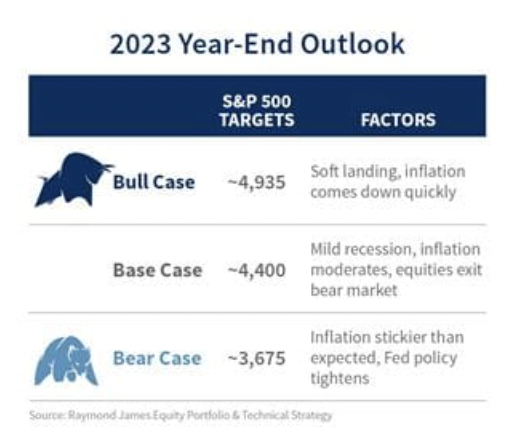
We wrote last week about the soft landing that markets now seem to expect.
It's easy to take the wrong signal from recent market strength.
Last year an infamous cryptocurrency ad featured the slogan “fortune favors the brave.” And while historically fortune does favor the brave, there is a difference between courage and blind faith.
In 1817, David Ricardo developed his theory of comparative advantage to explain why countries engage in trade together, even when one country has an absolute advantage.
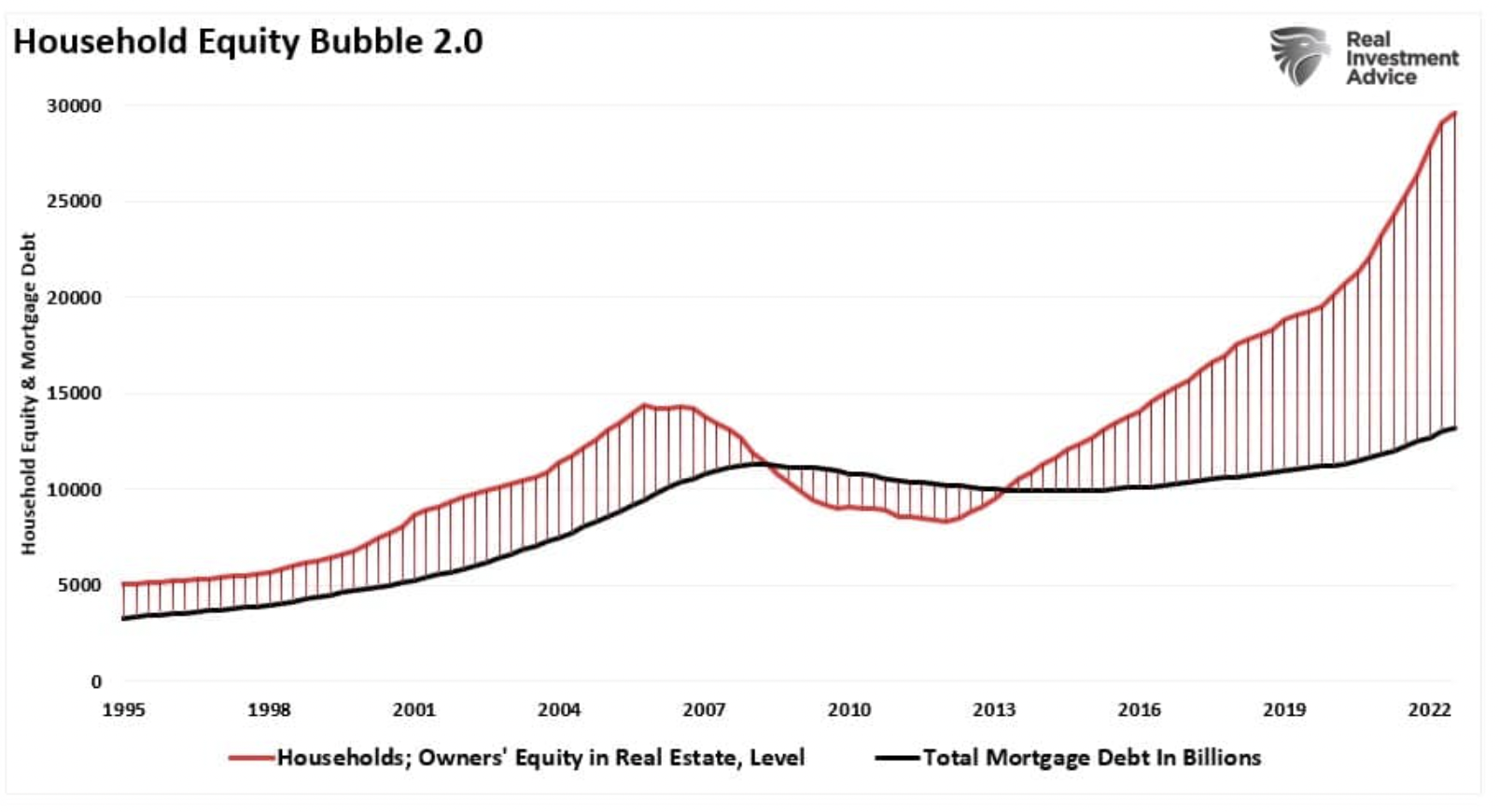
Home prices have started to correct as interest rates rose sharply in 2022.
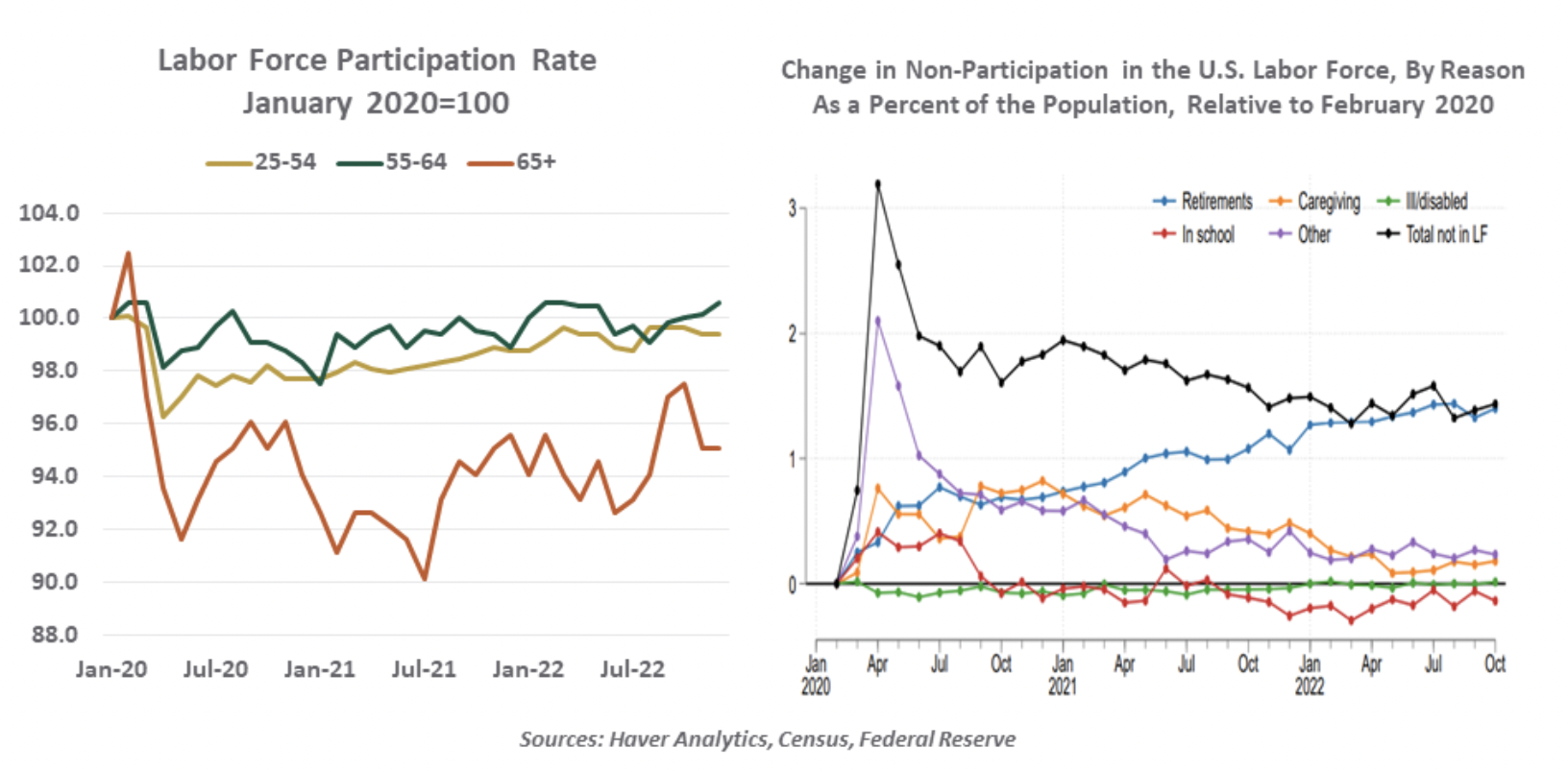
Many older workers who left the workforce during the pandemic may not return to the labor market.
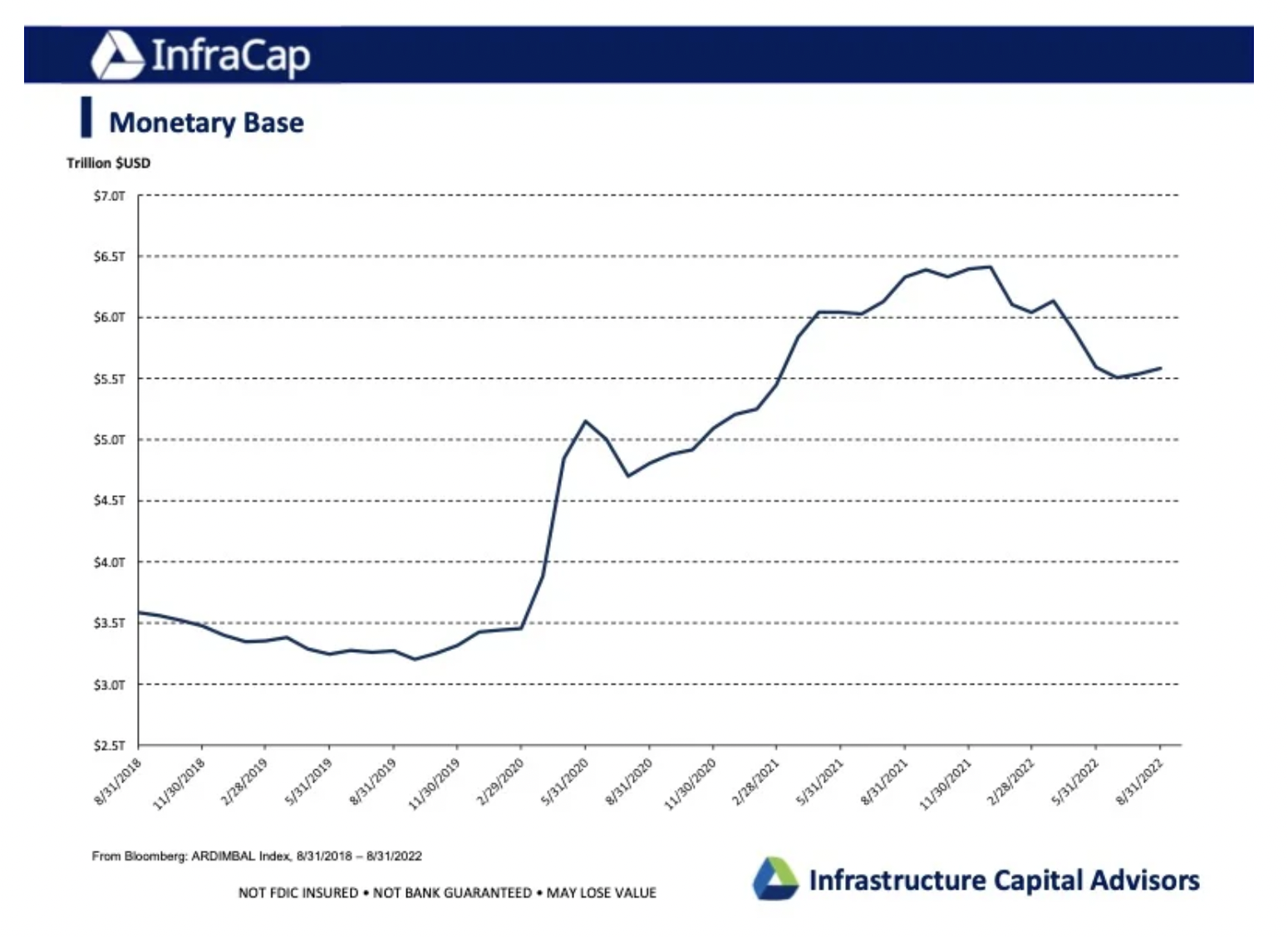
The team at Infrastructure Capital Advisors provides key insights and advice on current market conditions and economic outlook for this month and the coming months.
The Federal Open Market Committee’s 12 voting members differ on where they think interest rates should go this year. But we know they’re unanimously against cutting rates until at least 2024—or at least they were as of December, according to that meeting’s minutes.
Investors don’t appear to have been fazed by the FAA mishap. Shares of U.S. domestic airlines finished Wednesday up more than 1% before advancing a further 4% on Thursday in response to positive earnings estimates.
This article explores how the addition of specific liquid alternative strategies produces an “All-Terrain” portfolio with the potential for improved long-term performance across a wider range of market environments.
As we start the year 2023, we are reminded of the profound poetry from the band, Echosmith, in the song, “Cool Kids.” It can teach us about what it takes to succeed in long-duration common stock investing currently.
During the holiday season, everyone is looking for a good deal. While searching by the highest percentage discounts seems like it may lead to a steal, the results tend to be underwhelming. Investors often make the same mistake during bear markets.
The Loomis Sayles Global Credit Sector Team discusses rate volatility, possibly deteriorating credit fundamentals and key technicals at play in the market.
In 2022, inflation and interest rates both rose substantially, creating the near-term potential for a recession.
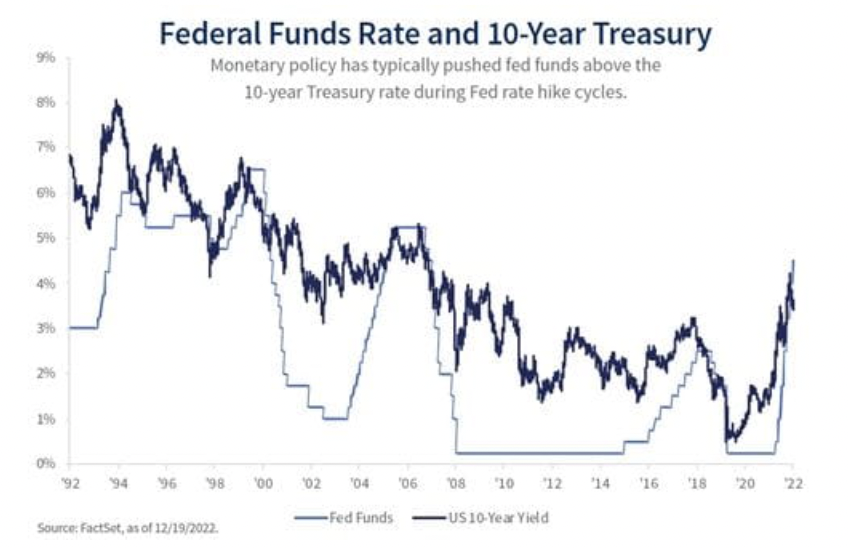
Current federal monetary policy, fixed income returns and economic landscape appear to closely parallel the bond bear markets in the 1990s.
Our 2022 ESG manager survey findings reinforced our belief that the integration of environmental, social and governance (ESG) factors into investment processes is here to stay.
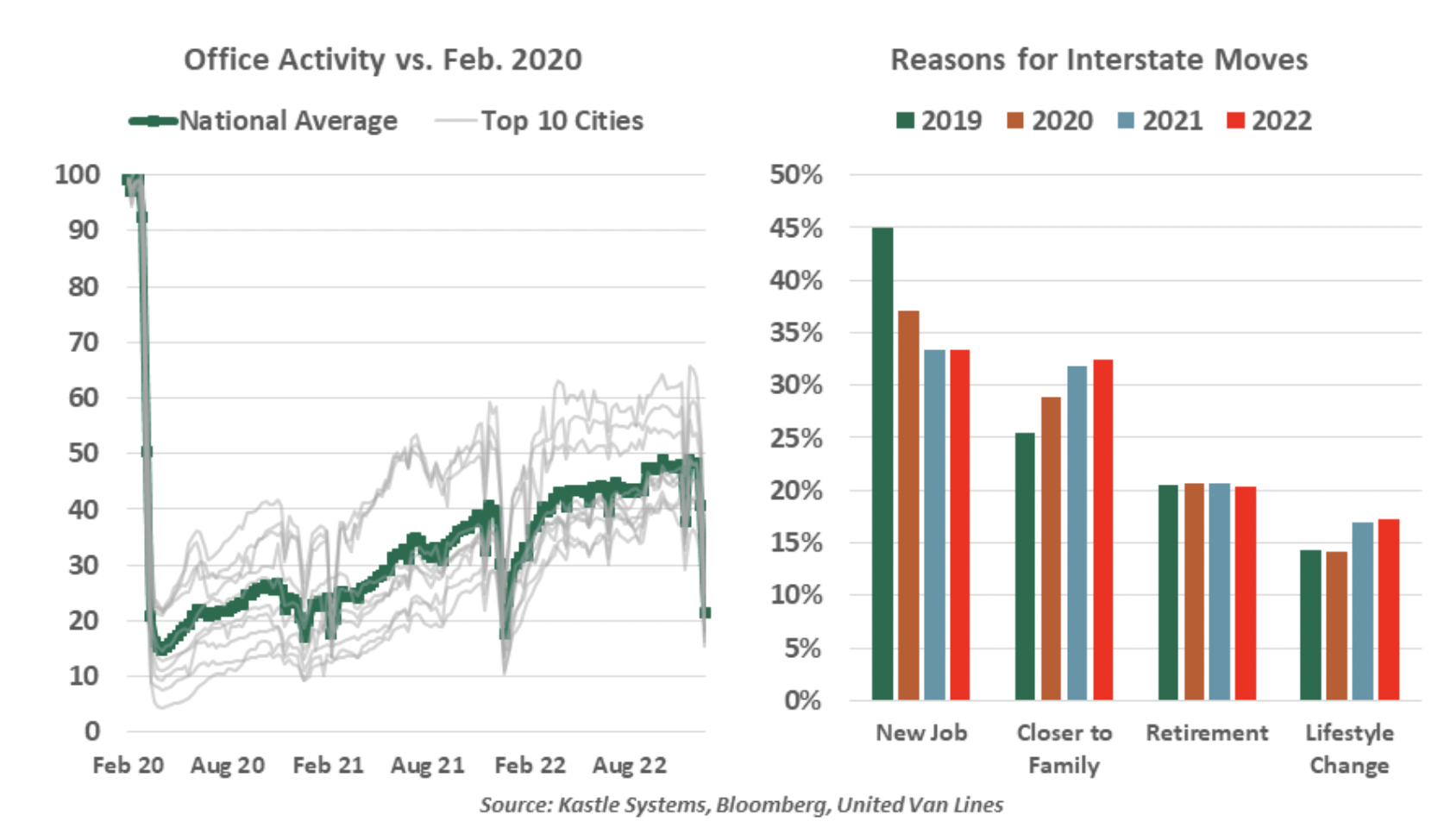
Workers and managers are in a tug-of-war over return to office policies.
U.S. equities are lower in pre-market trading with the Street digesting a slew of results from the banking sector to kick off Q4 earnings season.
U.S. stocks are choppy as the markets wrestle with the implications of a highly anticipated December consumer price inflation report that showed the headline figure declined but the core rate rose, both in line with expectations.
Throughout this year, Wealthspire Advisors’ Investment Team has spent significant time discussing inflation and the Federal Reserve and felt it was important to pivot towards the story in financial markets for 2022, which begins and ends with fixed income.
Market volatility and the Federal Reserve's efforts to reduce inflation will continue to garner attention.
I am on record of often pointing out that it is a market of stocks and not a stock market.
After enduring one of the worst years on record across asset classes, investors should find more cause for optimism in 2023, even as the global economy faces challenges.
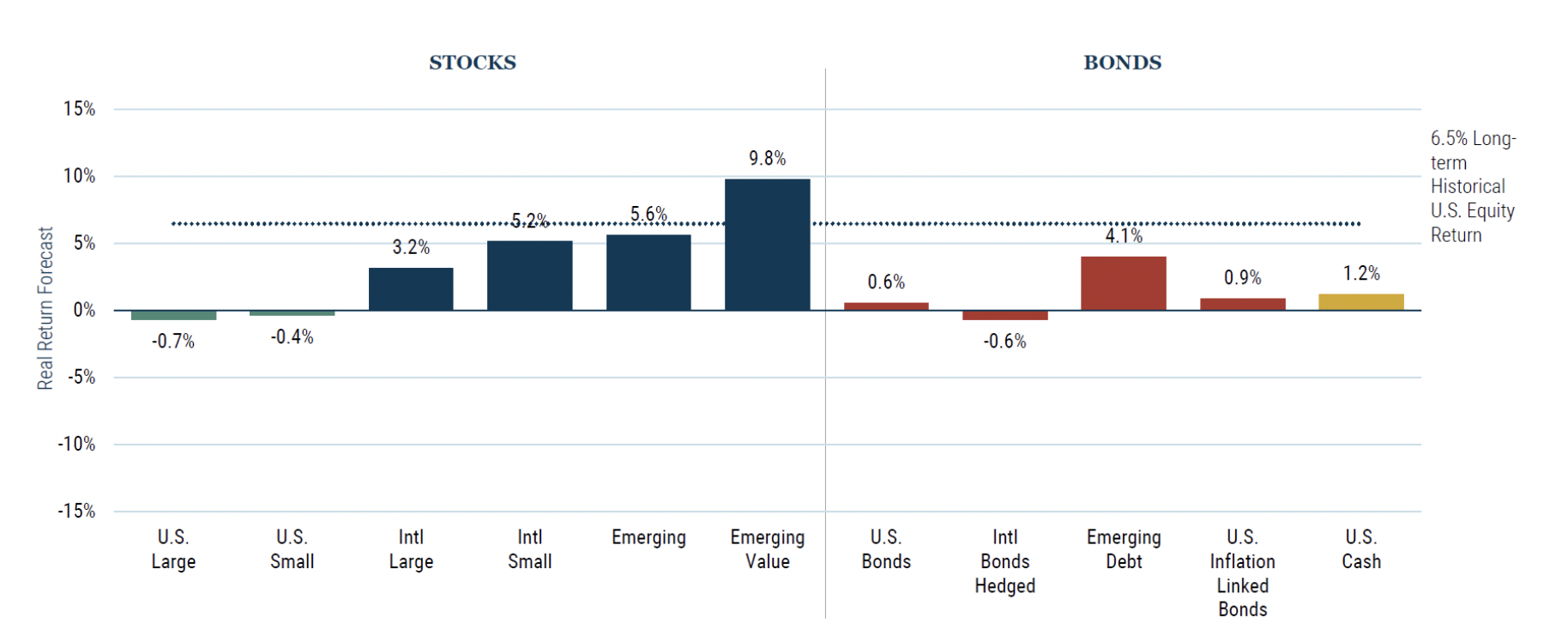
GMO 7-year asset class forecast: 4Q 2022.
2023 may be another difficult year for investors who hope to relive the speculative markets of 2020 and 2021.
2022 was a rough year for fixed income, but we anticipate better days ahead as the Fed will likely keep rates elevated in its ongoing battle against inflation.
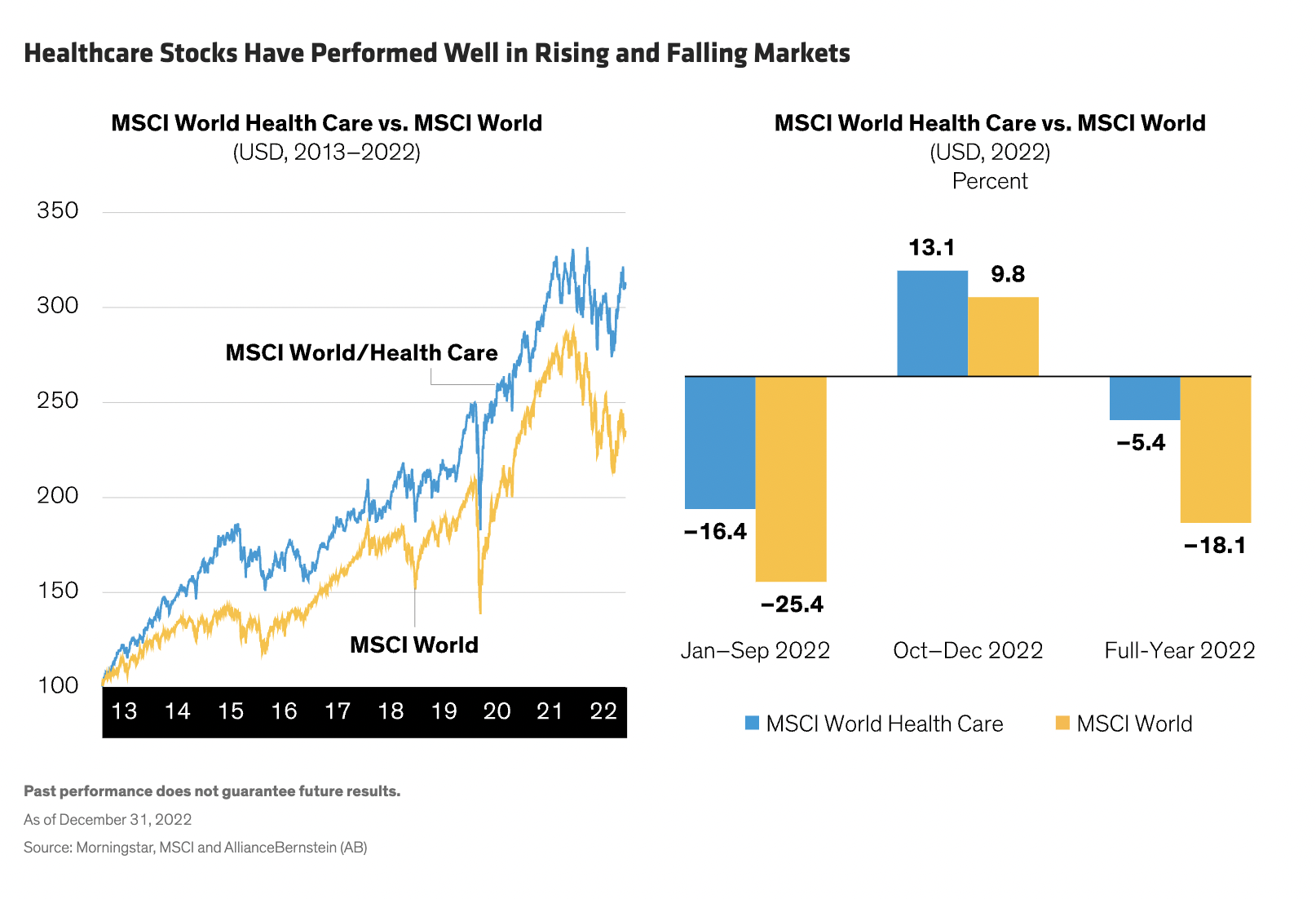
Healthcare stocks have remained in vogue through volatile markets, driven by increased interest in the sector during COVID-19.
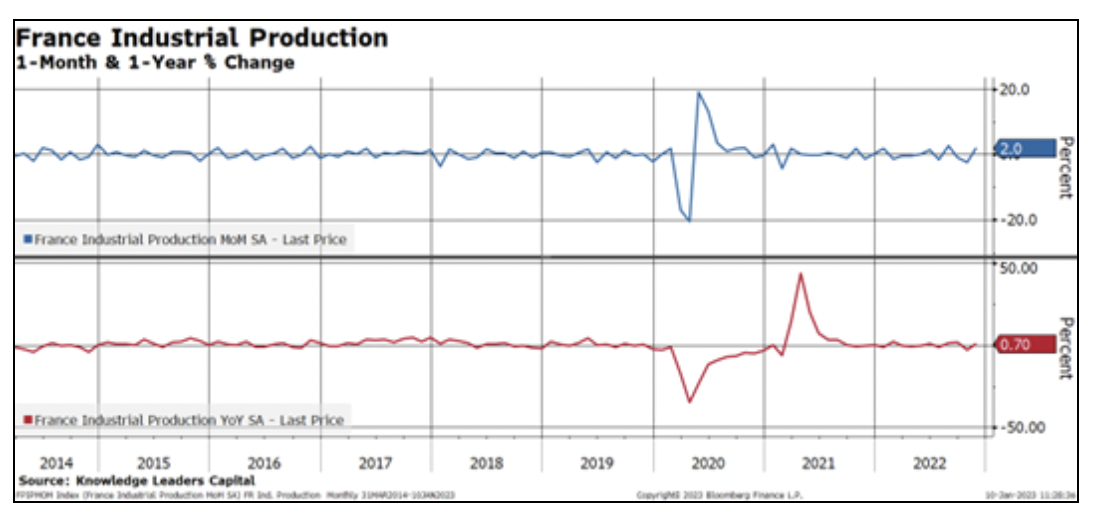
With winter not fully upon us, European industrial production has benefitted from lower energy prices.
Investment Director Cheryl Stober shares her team’s expectations for defaults, risks and opportunities in bank loans.
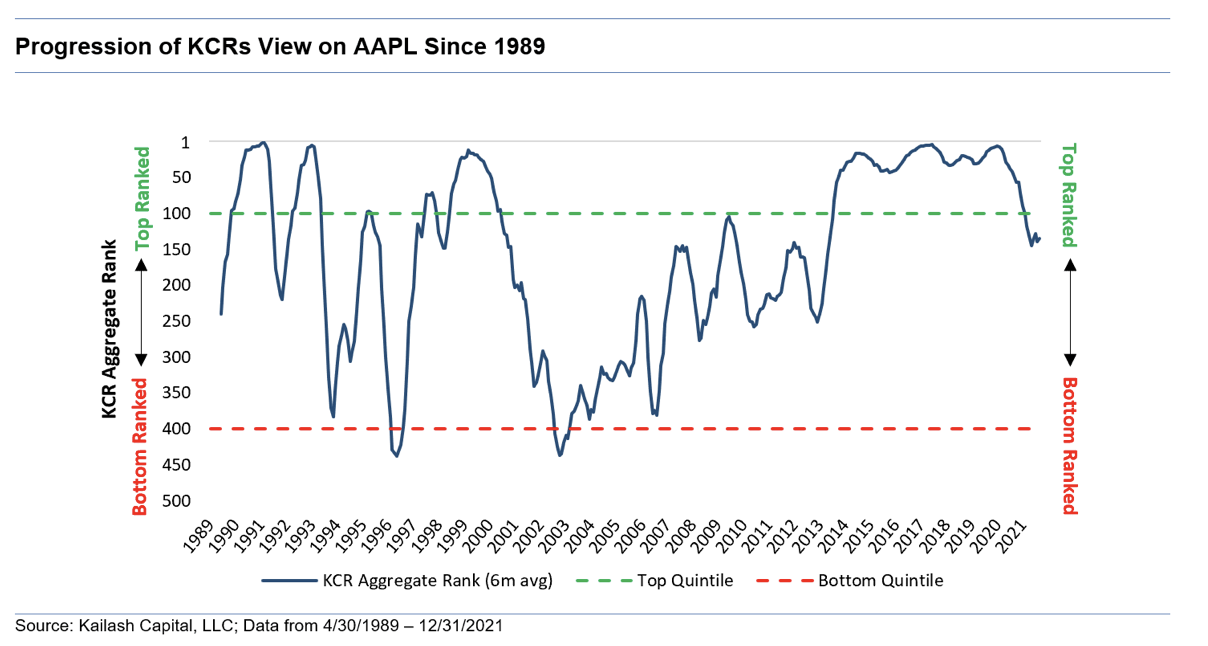
At KCR, we believe in the Quantamental Investment approach–a strategy that leverages the most useful aspects of both quantitative investing and fundamental investing.