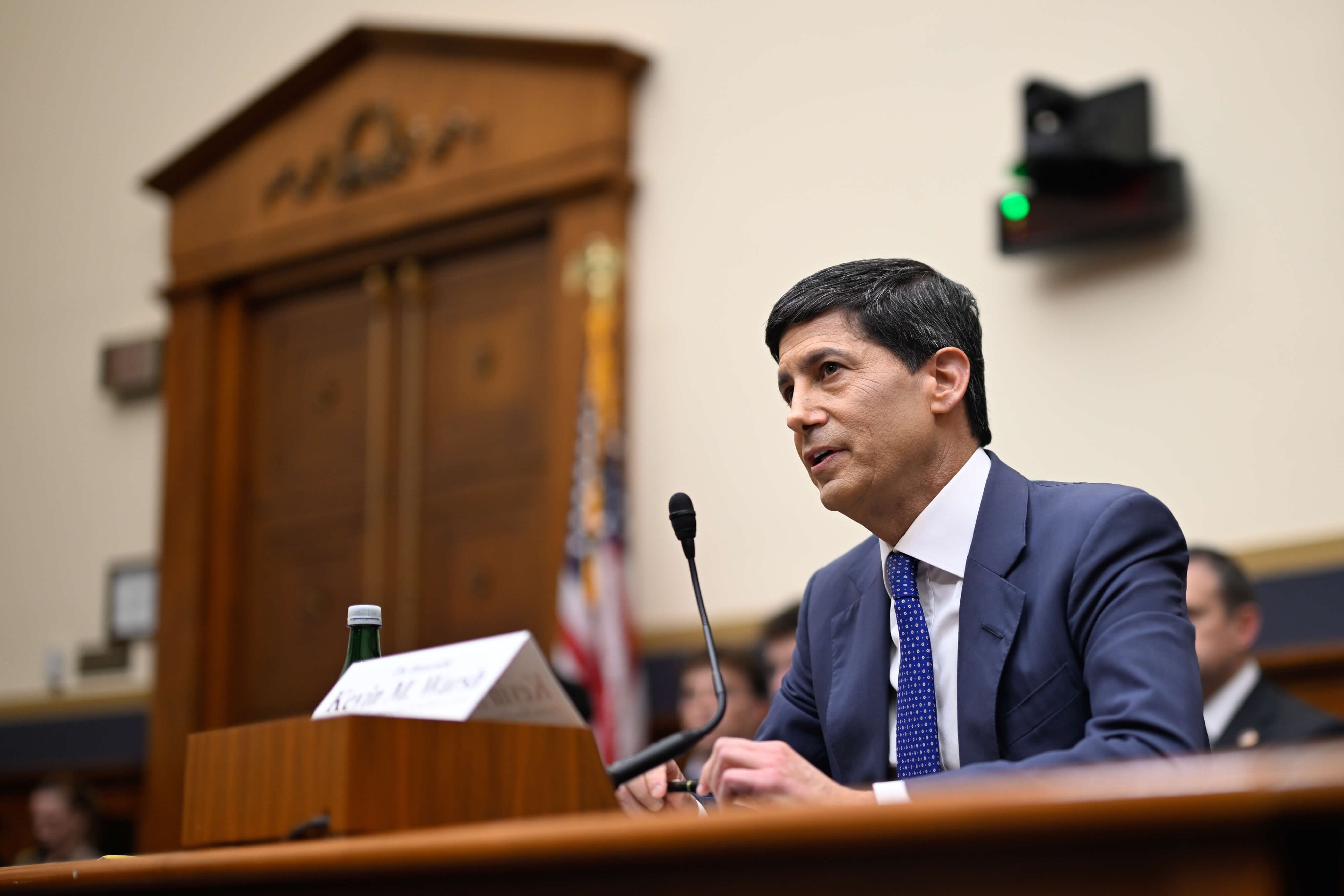
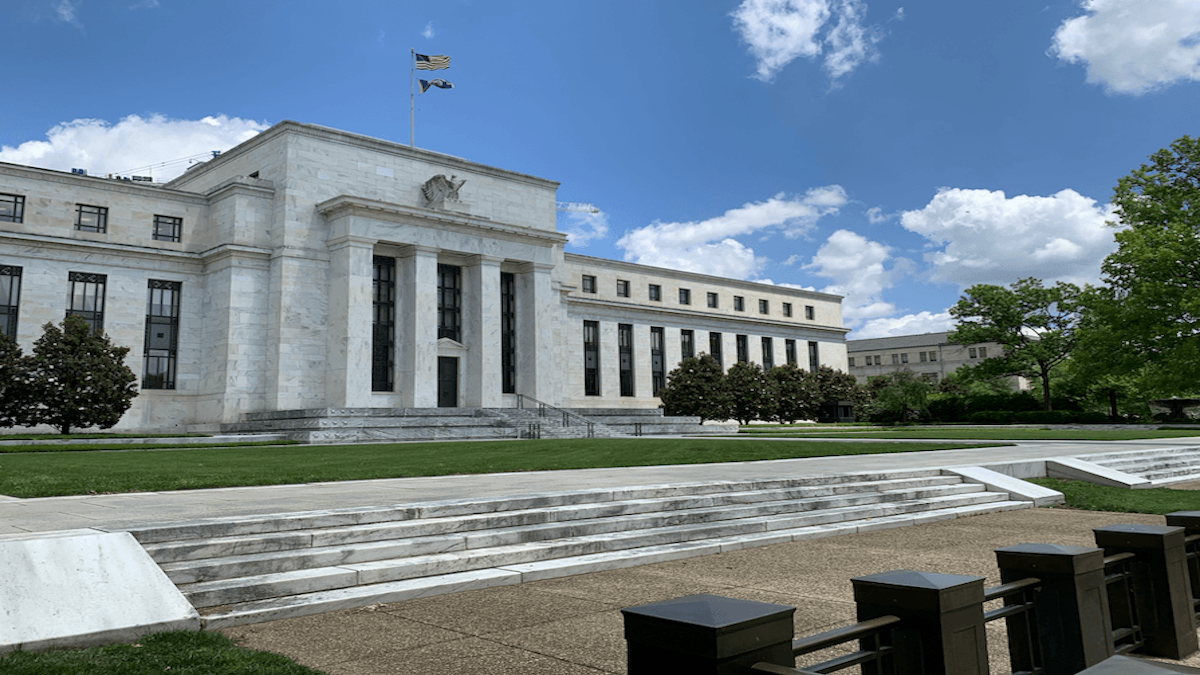
Kevin Warsh’s early overhaul of Federal Reserve communication and policymaking suggests investors should prepare for a higher-for-longer rate environment with greater uncertainty around policy signals.
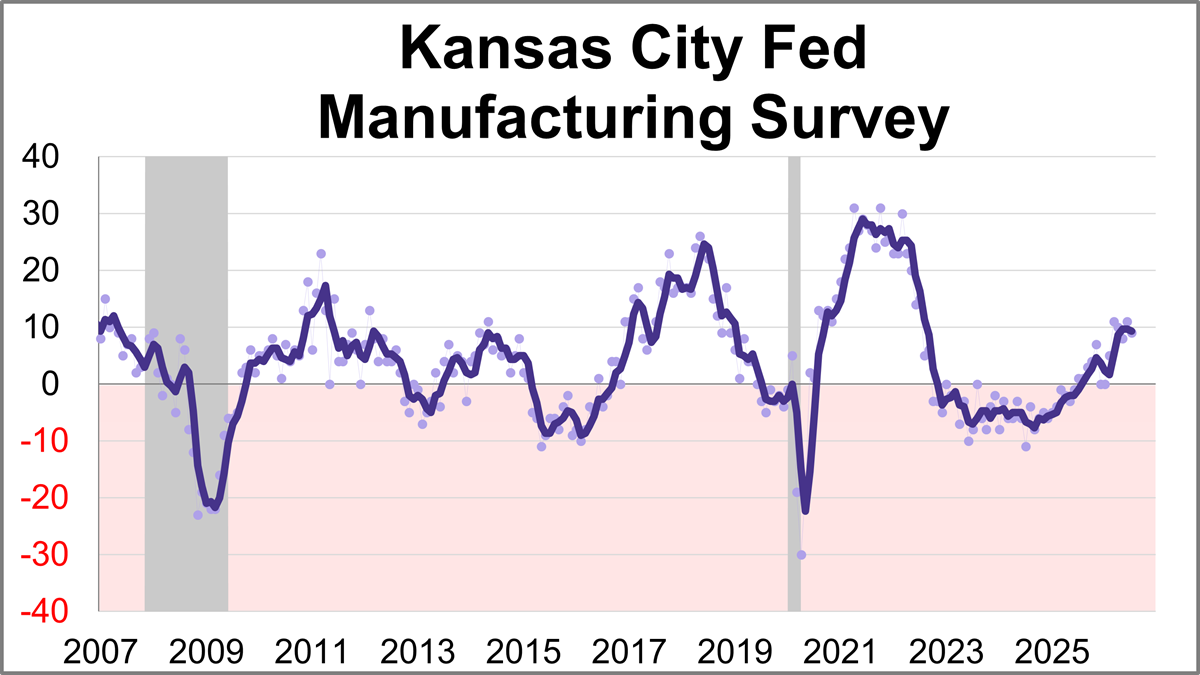
The Kansas City Fed Manufacturing Survey revealed regional activity remained steady in June. The composite index came in at 9 this month, down slightly from 11 in June but still indicating continued expansion.
The World Cup games that went into extra time were reminders of just how tough it can be for players to keep up their momentum over the long haul.
Intel Corp. is expected to report strong second-quarter earnings after the market close Thursday, but even blowout results likely won’t be enough to reverse the stock’s July slide.
Small-cap and mid-cap stocks are outrunning large caps in 2026, and one portfolio manager says the shift has room to run.
The global luxury industry, which has been grappling with three years of lackluster sales, may gain some relief as wealth generated by artificial-intelligence companies and their trillions of dollars of initial public offerings finds its way into fancy fripperies.
According to Bankrate’s Mortgage Rates, the national average for a 30-year fixed mortgage is 6.61%. That’s uncomfortably high and a major headwind to many prospective homebuyers, particularly those in the first-time category.
When clients, specifically, feel they matter to their advisor, they engage more deeply in the planning process, follow through on recommendations, refer more frequently, and build lasting relationships that transcend market volatility.
The first data releases since Federal Reserve Chairman Kevin Warsh took office suggest that inflation has subsided, making his job a little easier.
The US 30-year bond yield is trading above 5% for the longest stretch since the dawn of the financial crisis, echoing investor concerns about a growing debt pile and sticky inflation.
Blackstone Inc. leaned on Wellington Management Co. and Vanguard Group to create two new funds that will give individual investors access to private assets as it looks to go beyond its roots as a money manager for pensions and institutions to become more of a household name.
With AI spending skyrocketing, investors are looking for Alphabet Inc.’s earnings to show strong growth in its cloud-computing business, which would demonstrate a clear return on the company’s investments.
A major milestone for the story of the stock market this year looms this evening. Alphabet (GOOGL) will report its earnings today after the bell. Reports suggest the firm will have big, positive news to share, so investors may have questions.
Chris Galipeau discusses high-conviction insights that go beyond media headlines.
The equity bull market is expected to continue through the second half of 2026, supported by resilient U.S. growth, AI investment and solid earnings.
For a Federal Reserve (Fed) chairman committed to reducing noise coming from the institution and/or to changing how the Fed communicates, his first attempt to do so was not very promising. Just after Chair Warsh’s first press conference, we argued that inflation was not a choice, as he suggested during the press conference.
A Roland Berger study finds family offices moving capital into infrastructure and private equity while retreating from riskier bets abroad.
Digital assets have the products. They have access to vehicles such as ETFs, separately managed accounts, and direct custody. What they still lack is the foundational layer underneath those products: the agreed-upon definitions of what the market is, how its components are classified, and how performance is measured.
Wealth management firms are aware of the looming retirement wave and have put real effort into mitigating it through recruiting, training, succession planning, and technology to modernize the advisor workflow. But what’s truly at risk of being lost is the judgment that senior advisors have accumulated over decades
Government bonds are back in focus, as investors reassess where value lies in global fixed income. With markets wavering over how quickly interest rates will fall, sovereign debt in several developed economies is starting to look attractive again to us.
Strong economic momentum is a double-edged sword for US equity traders. Solid growth is an earnings tailwind. But let it run too hot, and it turns from blessing to curse.
Charles Schwab Corp. reported earnings that topped estimates as retail investors continued to jump in and out of the market amid volatility sparked by geopolitical uncertainty.
Investors poured billions into BlackRock’s exchange-traded fund tracking South Korean stocks, underscoring strong appetite for artificial intelligence companies even as wild swings continue to roil local equities.
The biotechnology sector is stealing the US IPO market thunder from artificial intelligence-related listings, delivering standout returns as bankers line up a steady stream of summer debuts.
Gold and silver rose on dip-buying, as traders monitored Middle East tensions for signs that higher energy costs could stoke inflation, putting pressure on the Federal Reserve to tighten policy.
Trading volumes on prediction markets are expected to hit $1 trillion by 2030. Overconfident traders think they are beating the crowd. Herders join it without thinking. Neither approach is likely to be a consistent winner.
VettaFi’s Midyear Market Outlook symposium Thursday saw industry leaders take on the big questions. Where is the market going? How should investors and advisors navigate uncertainty and potential volatility? Leaders from Fidelity Investments and Invesco both joined for one of the early segments, focused on innovative U.S. strategies.
GMO has posted a new 7-Year asset class forecast for 2Q 2026.
When you measure home affordability today against the metric that actually governs the check you write each month, the picture flips. By that measure, buying a home may be easier now than it was for the Boomers and Gen Xers who get blamed for everything.
As we move into the second half of 2026, U.S. large-cap stocks may be on pace to deliver their fourth straight year of double-digit gains, with the S&P 500 Index up 11.4% through July 10, 2026.
The shine has come off silver since it skyrocketed to over $100 an ounce in January. The price has dropped by over 50 percent from the record high. However, there are still reasons to be bullish on silver moving forward, including persistent supply deficits and growing industrial demand.
We’re back to reading tea leaves! Hooray! Next week the Federal Reserve will have its second meeting since Kevin Warsh officially took the helm. And, at this point, the outcome is far from certain, which is unusual given that ever since Ben Bernanke instituted “forward guidance” the market usually knew what to expect.
AI is changing the investment landscape, but fundamentals still matter, and we remain focused on quality companies with growing free cash flow.
Whenever I speak at investment conferences, I like to point out that we invest in a number of publicly traded airports. I even list them: Spain’s Aena. Aeroports de Paris. Zurich Airport. Airports of Thailand. Two of the world’s largest operators, Grupo Aeroportuario del Sureste and Grupo Aeroportuario del Pacifico, trade in Mexico.
There are several market headwinds that warrant attention, as well as a tailwind that may be large enough to keep the boat moving forward. Fully understanding the headwinds and tailwinds will help you better monitor the market barometer, allowing you to assess and adjust risk levels with more awareness going forward.
A holistic approach to retirement planning involves careful thinking and conversation around investment strategy, tax efficiency, income needs, and estate planning. The goal, of course, is to minimize the drag of taxation on lifetime earnings and wealth accumulation while maintaining both compliance and attention to the client’s priorities and values.
Bond traders and Federal Reserve Chairman Kevin Warsh are in agreement on a crucial point: The central bank’s fight against inflation still seems far from over.
Whether you admire him or cringe at the mention of his name, US President Donald Trump has long had a penchant for putting his name on things. Once it was condos, steaks and Bibles.
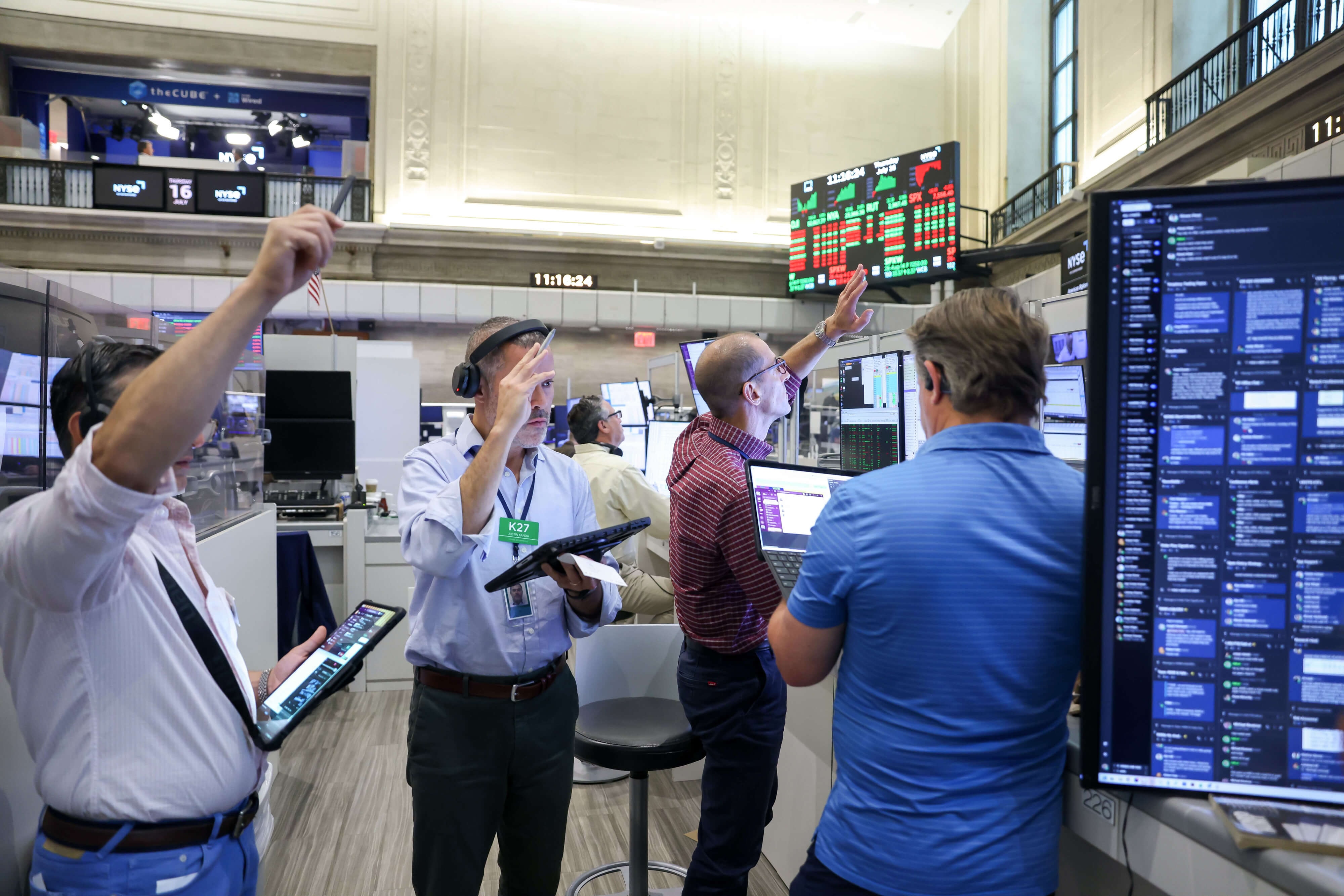
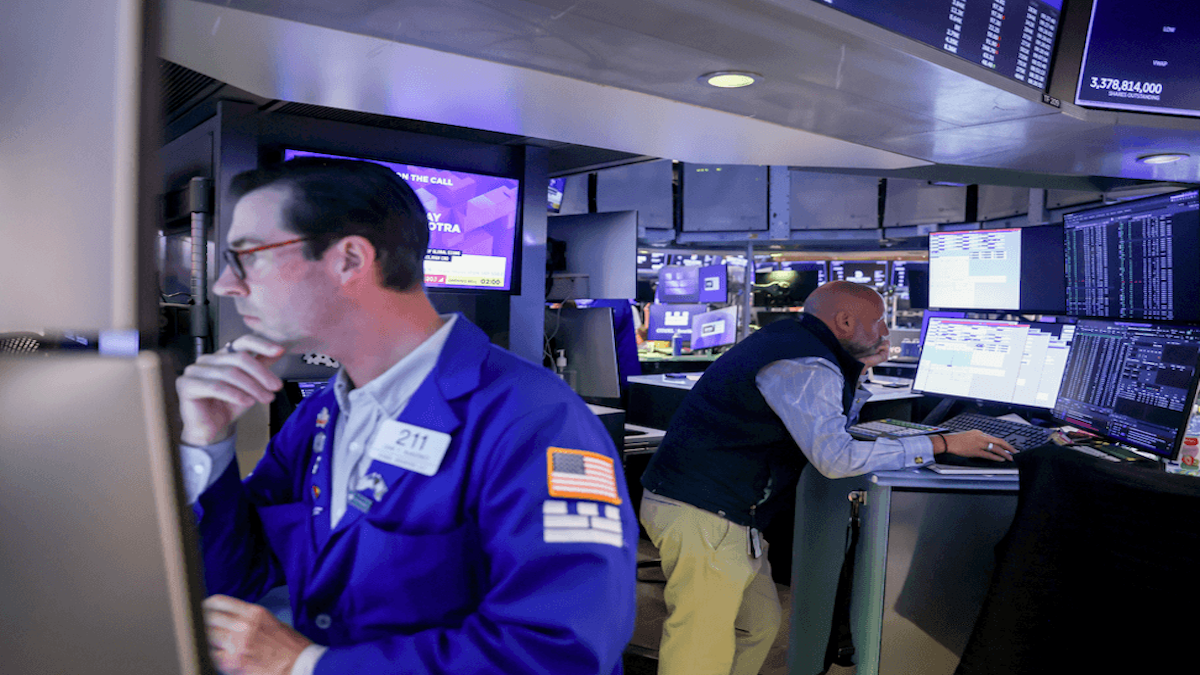
US stocks advanced on Monday, paring last week’s slump, as chipmakers rebounded amid a deluge of earnings reports that will test whether Big Tech’s profits can match high expectations.
Decades of data across global markets reach the same verdict: the more frequently retail traders trade, the worse they perform. The infrastructure has never been more inviting. The losses have never been more documented. Here are some key statistics we will dive into further.
Today, the mission of the CFP Board of Standards, a 501(c )(6) nonprofit organization, is to credential competent and ethical financial planners, uphold CFP® certification as the recognized standard, and advance the financial planning profession. The mission is no longer to benefit the public. Selling out the public dooms financial planning as a profession. That’s horrible for the vast majority of certificants that want to be held to a higher standard.
I have been tracking the ETF industry for a long time. I remember when the SPDR S&P 500 ETF Trust (SPY) made history as the very first ETF to hit the $100 billion mark. Since then nearly two dozen have joined SPY.
Markets are embracing the idea that we are in an AI supercycle. Investors are betting on a multi-decade technological shift, similar to the internet, that will transform industries, computing, and infrastructure.
A handful of key economic data points dropped last week, painting a picture of an economy that is successfully downshifting from its recent inflation peaks even as consumers keep their footing.
A record inflow hit the largest US-listed South Korea exchange-traded fund, as investors seeking exposure to SK Hynix Inc. piled into the ETF as a proxy at a time when the chipmaker’s new American depositary receipts trade at a substantial premium to its local shares.
Halfway through the year, the U.S. equity market performance is broadening. That said, market concentration remains incredibly high, while equity and bond correlations sit in positive territory — conditions that scream a call for diversification. Investors are heeding that call, many with alternatives ETFs.
Entering Wednesday, the Russell 2000 and S&P SmallCap 600 indexes were up an average of 20.8% year-to-date, confirming small-cap stocks are back with a vengeance. Arguably overlooked in that scenario, some vibrant ETFs represent higher-quality approaches to smaller stocks.
A country drowning in energy shouldn't also feel like it's running out of electricity. In other words: before we ask whether America can make more things again, we should probably ask whether America can power the production.
On July 15, Direxion launched the Direxion Daily SK Hynix Bull 2X ETF (SKHL), seeking to replicate double the daily performance of the South Korean semiconductor manufacturers Sk Hynix (SKHY). The fund provides leveraged exposure to the world’s leading supplier of high-bandwidth memory chips. It boasts an expense ratio of 97 basis points.
Big Pharma has a $300 billion problem, and biotech developers with promising drugs are becoming the fix. Major drugmakers are spending at a pace not seen since 2019 to replace medicines that will soon lose patent protection.