Trade tensions spread to the copper and pharmaceutical markets.
The AI revolution is here. And for financial advisors, it's important to know AI is impacting the career paths of clients and their children.
Join the experts at JLens for an educational deep dive into Israel assets classes and market realities.
Matt Bartolini, Head of Americas ETF Research at State Street Global Advisors, shares insights on recent market trends through the lens of key SPDR ETFs and highlights new launches, including the SPDR SSGA IG Public & Private Credit ETF (PRIV). Roxanna Islam, Head of Sector & Industry Research at VettaFi, provides the latest updates from the world of crypto ETFs, covering fund flows, recent launches, and the status of SEC filings.
Vanguard's Investment Strategy Group explores the emotional and time-saving benefits that investors can derive from professional financial advice. In general, advised clients report getting emotional value as well as spending less time thinking about and dealing with their finances.
Phantom income refers to tax liabilities that arise from investment gains allocated to an investor but never received in cash. It is a recurring challenge for ultra-high-net-worth families.
PR’s unique strategic contribution starts with direct access to company leadership. With an intimate knowledge of the business’ vision, the PR team can propose communications strategies tied to the core business objectives.
After it emerged from the rubble of Lehman Brothers, Trilantic Capital Partners exemplified the success of private equity’s vast middle market for more than a decade.
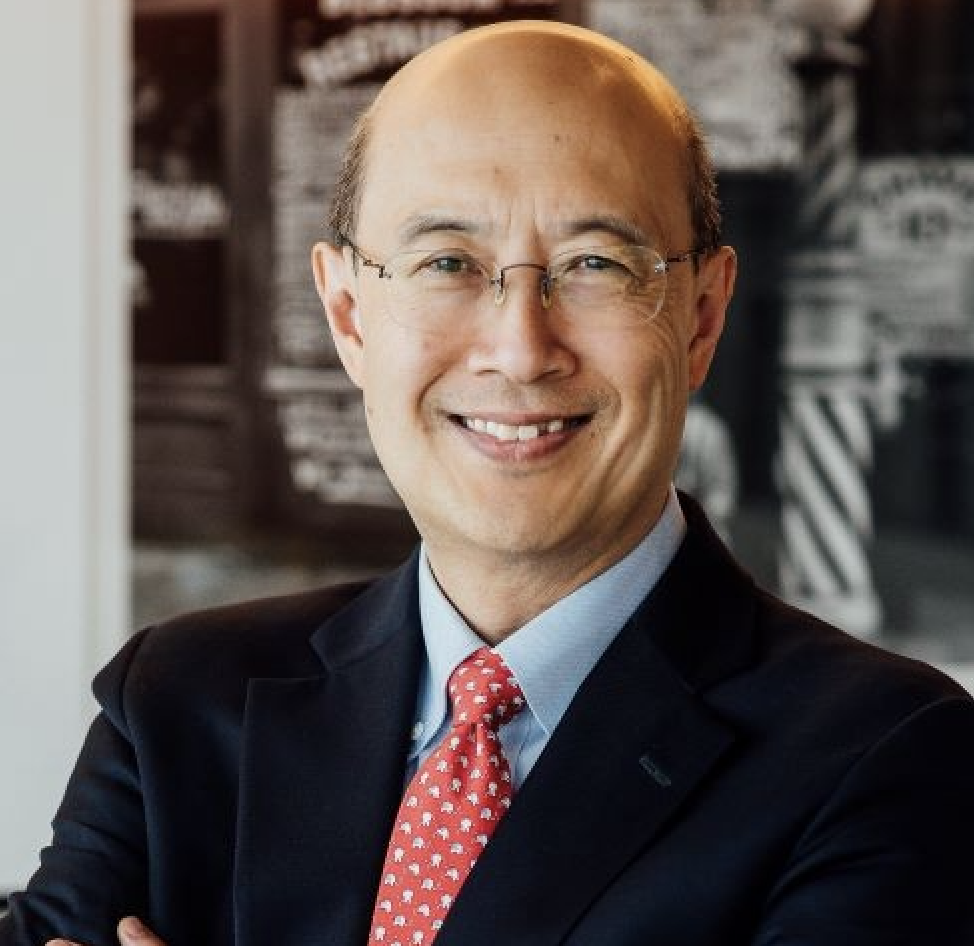
A year ago, Andrew Lo asked ChatGPT for its opinion on Moderna Inc., a biotech stock that soared during the pandemic era. The advice: sell. He didn’t. The stock plunged.
A relentless wave of optimism is sweeping the nearly $4 trillion crypto market, driven by a frenzy of Washington policy moves accelerating its assimilation into regulated finance.
One of the most totemic deals in the consumer goods industry could soon be unwound – the 2015 combination of HJ Heinz Co. and Kraft Foods Group Inc.
PNC Financial Services Group Inc. formed a partnership with crypto exchange Coinbase Global Inc. to offer its banking customers access to digital-currency services.
The Invesco QQQ ETF (QQQ) is one of the oldest and is the fifth-largest ETF. Pending shareholder approval, the $350 billion fund is about to get cheaper and modernize.
By following a structured prompting workflow, wealth managers can maximize the potential of AI and reduce operational inefficiencies.
With our most reliable stock market valuation measures at the highest extremes in U.S. history, it’s useful for investors to remember that a market crash is nothing but risk-aversion meeting a market that is not priced to tolerate risk.
Ignoring U.S. healthcare problems won't make them go away.
We continue to maintain a Marketperform rating on all sectors, a position we adopted in April after the White House unveiled a policy of steep but fluctuating global tariffs.
As we move into the second half of 2025, it is an opportune moment to reassess our market outlook and provide updated insights for investors.
Congressional Republicans delivered the much anticipated One Big, Beautiful Bill Act (OBBBA) to President Trump’s desk just in time for a symbolic July 4 signing.
Chief Economist Eugenio J. Alemán discusses current economic conditions.
U.S. customs duties topped $100 billion for the first time ever in a single year this month. That number is even more remarkable when you consider that most of President Donald Trump’s new tariffs haven’t even taken full effect yet.
Every year the Per Jacobsson Foundation hosts and publishes a lecture on Monetary Policy. Back in 1979, Arthur Burns delivered the annual lecture in Belgrade, Yugoslavia (link). He titled the lecture “The Anguish of Central Banking” and he came clean about the Federal Reserve’s inflationary policies in the 1970s.
GMO has posted a new 7-Year asset class forecast as of June 30, 2025.
Although investing in in-state municipal bonds may have tax advantages, there can be good reasons to buy out-of-state munis.
Baby boomers in TDFs should consider getting out and moving to safety. Stock investors should consider less expensive stock markets, and safer asset classes like TIPS and Treasury bills.
“Liberation Day” feels like a long time ago. Since President Donald Trump shocked markets with sky-high new tariff rates and a hasty U-turn, the S&P 500 Index has rebounded to all-time highs.
Nvidia Corp. traders keep getting reasons to buy the stock, but the breakneck rally is showing signs of overheating.
Every so often, activist investors swarm around underperforming companies in a certain industry and pressure them to change strategy. Right now, it’s biotech startups that are flush with cash but still years from successful drug approvals that are in the crosshairs.
US equities advanced on Monday as traders prepared for a busy week of earnings, with big names such as Tesla Inc. and Alphabet Inc. set to report.
What do one of the largest private-school operators in the UK, a Spanish waste management company and a European fast food franchise of Burger King have in common? Their private equity owners are readying sales that don’t need debt underwriters.
The recent relatively weak performance of the Magnificent Seven, in aggregate, may point to a new trend. Time will tell if the laggards in the Magnificent Seven are taking a well-needed break or if an actual change in leadership is coming.
We love Roth accounts - really, we do. As long as we don't have to pay too high an entrance fee. Which would be dumb.
Few are as candid and historically accurate as hedge fund manager Kyle Bass when identifying structural breaks in the global economy. In a recent interview, Bass painted a grim but telling picture of China’s economic condition, warning.
Unfortunately, the lush financial terrain we enjoyed from 2008 to 2022 was more like artificial turf. It wears out, gets ugly holes, and eventually needs replacement. But how to replace it without causing other problems? That turns out to be a real problem.
Investors enjoyed broad gains across major asset classes in the first half of this year, but they endured considerable market swings to earn those returns.
On this week’s edition of Market Week in Review, Global Chief Investment Strategist Paul Eitelman discussed key drivers behind the stock market rally.
Will he or won’t he? That’s the question on investors’ minds as tensions rise between President Trump and Fed Chair Jerome Powell.
While uncertainty gradually eased in the second quarter, the sustained decline in the US dollar and the ongoing changes in the geopolitical order indicate that markets may continue to be dynamic and offer opportunities for a variety of hedge fund strategies, as well as heightened risks.
Last week's economic data presented a picture of consumer resilience emerging alongside the continued challenge of rising inflation.
Tepid gains notched by the real estate sector are largely viewed as the result of tariff turbulence. But some market observers believe real estate investment trusts (REITs) could prove sturdy if trade tensions are renewed.
As if semiconductors didn’t need more momentum, the passage of “One Big Beautiful Bill” could keep investors dipping into chips. In turn, traders may want to watch a few leveraged products from Direxion.
The sweeping 900-page tax and spending law signed on July 4 introduces a wide array of provisions that touch nearly every American in one way or another.
As central banks scramble to increase their gold reserves, many are turning to domestic mine production to save money, support local industry, and expand their reserves.
Volatility often evokes emotional responses from investors. Two big sell-offs in early 2025 reminded us why it’s important to fight those responses and stay invested through downturns.
Current volatility and optimism are some of the topics being discussed in this new roundtable from Royce Investment Partners.
July didn’t need to reach the halfway point before bitcoin notched double-digit gains.
Bitcoin is not “appropriate” for long-term investors. Also, digital assets are more a speculation and less an investment.
It’s a quirk in the booming world of passive investing: Famed tech fund QQQ is the most profitable offering in the $11.7 trillion ETF industry, but Invesco Ltd. earns virtually nothing from running it. Now the asset manager is asking shareholders to change that.
Conventional wisdom has it that the rise of robotaxis is bad for Uber Technologies Inc. and oh so good for Tesla Inc.
In a rare public embrace of the once-shunned world of crypto, the heads of America’s largest banks made one thing clear this week: stablecoins are no longer at the fringe of finance.