This is the first in a three-part series outlining why I believe bonds are set to outperform. Here, I focus on the Federal Reserve’s dual mandate, the June 2025 meeting, and why the Fed’s approach is positive for bond investors. Parts 2 and 3 will address valuation, politics, recession risk, and the secular horizon.
How big data, AI and the human element can combine to better pursue consistent alpha.
CEO Ali Dibadj provides an update on the three macro drivers we believe will shape markets in the second half of 2025 and how Janus Henderson is helping clients position for a brighter investment future.
New strategies, shifting flows, and innovative technologies are driving a more dynamic and diversified marketplace in fixed income ETFs.
The overall U.S. equity market has fully recovered from its April lows, landing in an essentially flat position as of 5/31/2025. However, it’s been a wild ride for many investors.
After a long dry spell, there are signs of life in the initial public offerings space. An increase in offerings can sometimes suggest an improvement in overall market sentiment.
Drew O’Neil discusses fixed income market conditions and offers insight for bond investors.
It's important to consider non-hardship 401(k) withdrawals carefully. Our Bill Cass explains why individuals should check plan eligibility and consider asset protection and tax implications.
Equities have been on quite the roller coaster in 2025. Although the tariff situation has driven much of this volatility, we find ourselves in a similar spot to where we began the year.
Despite consumer fears of 1970s-style inflation, actual CPI has cooled to just 2.4%. Jeff Weniger makes the case that we may be living in a Goldilocks scenario, where price trends align with a stable and balanced economic environment.
When planning for future financial needs, take the time to understand the key differences between a 529 plan vs. IUL insurance. Both are valuable tools, but they serve different purposes and offer unique benefits.
The U.S. economy is growing accustomed to elevated uncertainty.
CoinShares collated data from the first-quarter SEC 13-F filings to reveal bitcoin ETF trends. While institutional investors decreased their holdings for the first time since spot bitcoin ETFs launched, advisors actually increased their exposure quarter-over-quarter.
In this latest installment of the AB Disruptor Series, we’ll look behind the algorithms and output to examine the critical ecosystem that underpins AI. We’ll explore the key links in the AI supply chain—from raw materials and semiconductors to data centers and energy demand—and why they matter to investors. And of course, we’ll also look at how geopolitics, trade policy and tariffs are reshaping this landscape, creating both risks and potential across the value chain.
When we think of the U.S. government's finances, we often focus on the massive debt. But what about Uncle Sam's assets? This video provides an update on the Fed's Financial Assets through Q1 2025
When problems arise with colleagues at a firm, it's best to tread carefully and thoughtfully.
As communications become more dynamic and digital interactions more complex, static captures are increasingly out of step with the needs of modern compliance and the expectations of U.S. regulators.
How do you make sure your prospects feel confident and clear about moving forward?
Nvidia Corp. billionaire boss Jensen Huang, clad in his signature leather jacket, has been crisscrossing European capitals and sharing the stage with the likes of Keir Starmer and Emmanuel Macron as he pitches “sovereign” artificial intelligence, a vision of new data centers offering essential compute power within national borders rather than via dominant tech firms from abroad.
Blackstone Inc. sees a $200 billion investment opportunity in European credit over the next 10 years, underscoring the region’s appeal to investors looking for alternatives to the US.
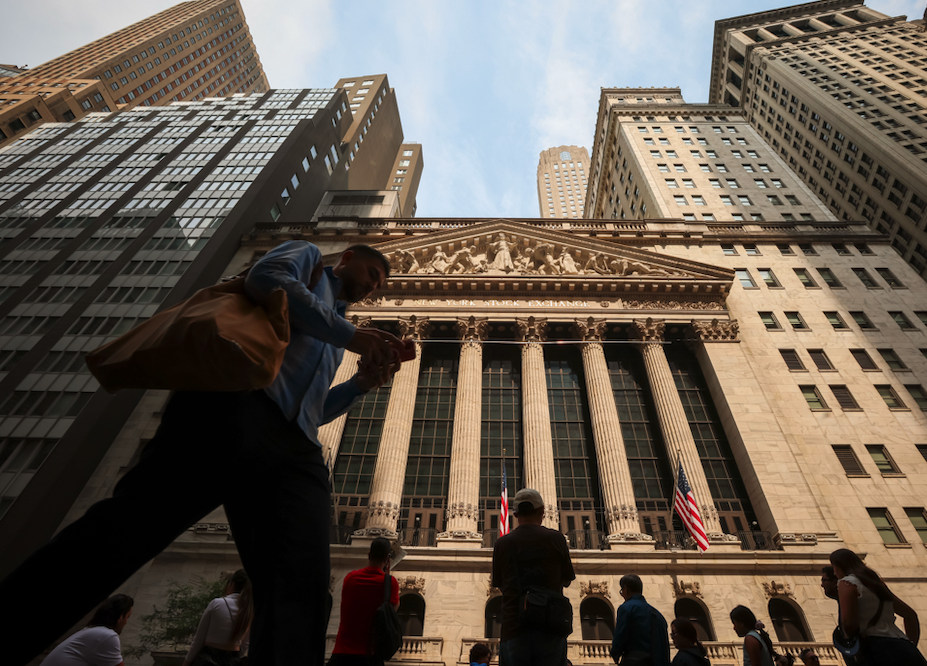
Not much seems to faze the stock market these days even as risks abound, from war in the Middle East, to trade tensions, to slowing growth. But Wall Street’s biggest fear arrives today when the Federal Reserve meeting ends and Chair Jerome Powell explains the central bank’s outlook.
US stocks gained on Wednesday with investors looking ahead to the Federal Reserve’s monetary policy decision.
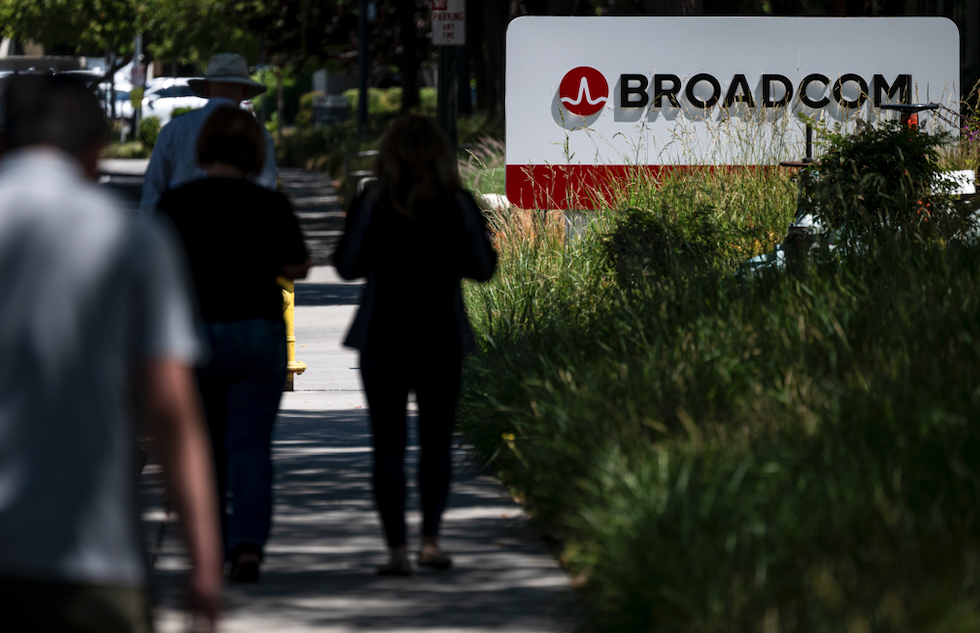
For more than two years, conversations about the biggest, most important technology companies have revolved around the same seven stocks. Now, some on Wall Street are making the case that Broadcom Inc. should be part of that discussion.
Many small deals have done through, including ones from overseas, and an active calendar of corporate shareholder meetings could offer fresh insights into capital plans.
In this article, we’ll explore how crypto index ETFs are structured, how they differ from single-asset products, and how financial professionals can incorporate them into diversified portfolios with clear goals around sizing, suitability, and risk management.
We remain bullish about many of the corporate changes taking place in Japan. Toyota Group recently announced it was taking Toyota Industries private (its auto parts and forklift business) to simplify the group’s structure.
In this article, Russ Koesterich discusses the recent performance of gold and its ongoing role as a store of value in investors’ portfolios.
In this video, Chuck Carnevale, co-founder of FAST Graphs, aka Mr. Valuation analyzes Eversource Energy (ES), for Income and Total Return, a New England-based utility known for its consistent earnings and dividend growth.
If there is something the Federal Reserve (Fed) does not want to see today, as it approaches next week’s Federal Open Market Committee (FOMC) meeting, it is a shock to oil prices.
The question isn’t whether robots will transform global labor markets. It’s how quickly the transformation will unfold. This transformation presents both unprecedented challenges and remarkable opportunities.
What happens in global supply chains can provide insight into how tariffs and the trade war may affect economies around the world.
The first half of the year has left investors with many questions about the path ahead for the economy and markets. Unfortunately, there haven’t been many concrete answers. Tariff announcements and trade negotiations have commanded the room.
The Iran-Israel conflict and equity markets are now in sharp focus. As direct strikes escalated in June 2025, global financial markets responded immediately. Israel’s airstrikes on Iranian nuclear and energy infrastructure triggered retaliatory missile and drone attacks from Iran.
Smart beta strategies have endured a prolonged stretch of disappointing results, falling short of investor expectations. This article explores the underlying causes of that performance and outlines why the conditions ahead could be more favorable.
The United States consumes a large share of its GDP; China, not so much. The result is Yin and Yang. On net, China produces and the US consumes.
A 529 plan can influence financial aid eligibility and the amount awarded. While these savings plans arevaluable for covering education expenses, they are considered parental assets on the Free Applicationfor Federal Student Aid (FAFSA).
Join the experts at Alger for an in-depth look at Artificial Intelligence.
The draft of the One Big Beautiful Bill Act (OBBBA) runs more than 1,000 pages. Analysis of the legislation has focused primarily on its impact on the U.S. federal deficit: the Congressional Budget Office estimates that passage would add almost $3 trillion to the national debt over the coming decade.
Mike Loukas, CEO of TrueMark Investments, weighs in on the growing debate over buffer products and highlights TrueShares’ innovative structured outcome ETFs. VettaFi’s Roxanna Islam covers a range of topics, including Schwab’s fee cuts, Vanguard’s multi-share class filing, the rise of private assets in ETFs, the potential for spot solana ETFs, and arguments around “first-to-file” with the SEC.
In 2025, the United States has shifted from an open-trade economy to one burdened by some of the highest tariff rates in modern history.
Treasury yields declined Tuesday as US economic data left intact expectations that the Federal Reserve will cut interest rates at least once more in 2025.
A record share of the world’s central banks plans to accumulate more gold over the next 12 months, drawn by bullion’s performance during times of crisis and protection against inflation.
The Senate’s draft tax bill calls for increasing an investment credit for semiconductor manufacturers, a potential boon for chipmakers that the Trump administration is urging to increase the size of their US projects.
Describes how what is happening to the economy is bigger than tariffs, it is the business cycle. It includes a comment on the FOMC meeting tomorrow, uses economic data up through this morning (retail sales), and includes a nice cartoon which can be used as a thumbnail (below).
Let’s talk about life expectancy. More specifically – should it play a role in retirement planning?You might be surprised to learn that the answer is: Absolutely not.
The ETF market has hit a symbolic turning point: active funds now outnumber passive ones for the first time, marking a sharp break from the industry’s index-tracking origins — even if actively managed assets still account for just a tenth of assets.
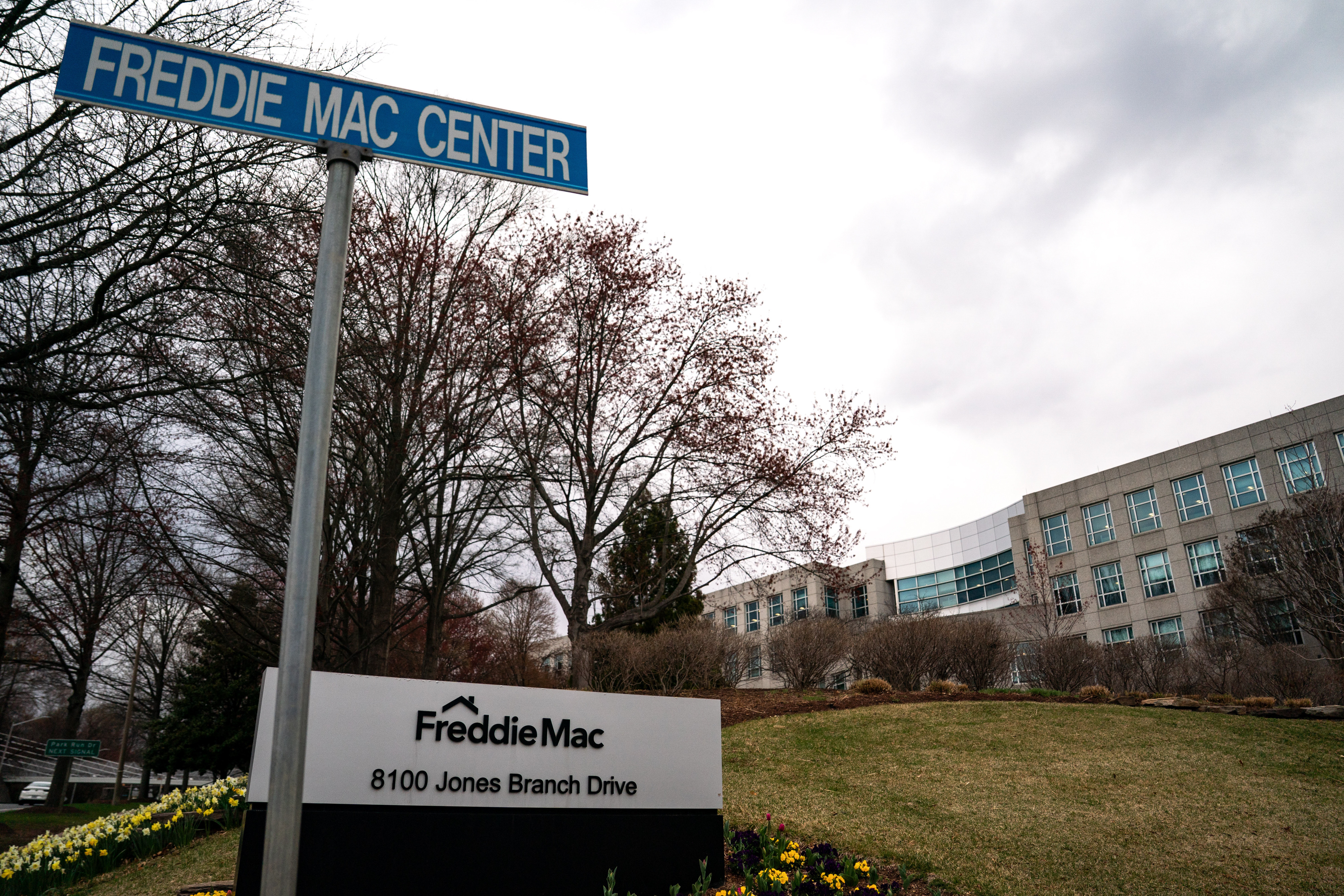
Ever since their near collapse during the 2008 financial crisis, the mortgage giants Fannie Mae and Freddie Mac have performed impressively under the conservatorship of the US government.
The fund shines through as a prime option worthy of consideration among the vast alternatives present in the muni market. With their rare combination of credit quality and yield, munis are offering fixed income investors prime benefits in a still-uncertain bond environment.
Bonds hit a headwind in May as rates rose, but year to date, they have helped offset some of the volatility seen in stocks. See Table 2 for bond index returns for May 2025, Q1 2025, and YTD.
A growing body of evidence suggests the differences between private and public equity may be more a matter of perception than reality.