The AI revolution is here. And for financial advisors, it's important to know AI is impacting the career paths of clients and their children.
Matt Bartolini, Head of Americas ETF Research at State Street Global Advisors, shares insights on recent market trends through the lens of key SPDR ETFs and highlights new launches, including the SPDR SSGA IG Public & Private Credit ETF (PRIV). Roxanna Islam, Head of Sector & Industry Research at VettaFi, provides the latest updates from the world of crypto ETFs, covering fund flows, recent launches, and the status of SEC filings.
PR’s unique strategic contribution starts with direct access to company leadership. With an intimate knowledge of the business’ vision, the PR team can propose communications strategies tied to the core business objectives.
After it emerged from the rubble of Lehman Brothers, Trilantic Capital Partners exemplified the success of private equity’s vast middle market for more than a decade.
A year ago, Andrew Lo asked ChatGPT for its opinion on Moderna Inc., a biotech stock that soared during the pandemic era. The advice: sell. He didn’t. The stock plunged.
A relentless wave of optimism is sweeping the nearly $4 trillion crypto market, driven by a frenzy of Washington policy moves accelerating its assimilation into regulated finance.
One of the most totemic deals in the consumer goods industry could soon be unwound – the 2015 combination of HJ Heinz Co. and Kraft Foods Group Inc.
The Invesco QQQ ETF (QQQ) is one of the oldest and is the fifth-largest ETF. Pending shareholder approval, the $350 billion fund is about to get cheaper and modernize.
We continue to maintain a Marketperform rating on all sectors, a position we adopted in April after the White House unveiled a policy of steep but fluctuating global tariffs.
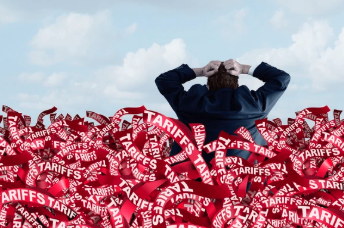
U.S. customs duties topped $100 billion for the first time ever in a single year this month. That number is even more remarkable when you consider that most of President Donald Trump’s new tariffs haven’t even taken full effect yet.
Although investing in in-state municipal bonds may have tax advantages, there can be good reasons to buy out-of-state munis.
Baby boomers in TDFs should consider getting out and moving to safety. Stock investors should consider less expensive stock markets, and safer asset classes like TIPS and Treasury bills.
The recent relatively weak performance of the Magnificent Seven, in aggregate, may point to a new trend. Time will tell if the laggards in the Magnificent Seven are taking a well-needed break or if an actual change in leadership is coming.
Few are as candid and historically accurate as hedge fund manager Kyle Bass when identifying structural breaks in the global economy. In a recent interview, Bass painted a grim but telling picture of China’s economic condition, warning.
Unfortunately, the lush financial terrain we enjoyed from 2008 to 2022 was more like artificial turf. It wears out, gets ugly holes, and eventually needs replacement. But how to replace it without causing other problems? That turns out to be a real problem.
Will he or won’t he? That’s the question on investors’ minds as tensions rise between President Trump and Fed Chair Jerome Powell.
Last week's economic data presented a picture of consumer resilience emerging alongside the continued challenge of rising inflation.
Tepid gains notched by the real estate sector are largely viewed as the result of tariff turbulence. But some market observers believe real estate investment trusts (REITs) could prove sturdy if trade tensions are renewed.
As if semiconductors didn’t need more momentum, the passage of “One Big Beautiful Bill” could keep investors dipping into chips. In turn, traders may want to watch a few leveraged products from Direxion.
Volatility often evokes emotional responses from investors. Two big sell-offs in early 2025 reminded us why it’s important to fight those responses and stay invested through downturns.
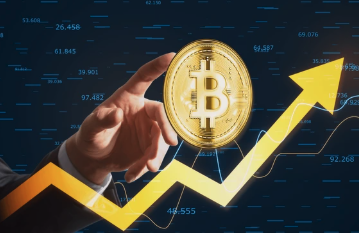
July didn’t need to reach the halfway point before bitcoin notched double-digit gains.
Bitcoin is not “appropriate” for long-term investors. Also, digital assets are more a speculation and less an investment.
It’s a quirk in the booming world of passive investing: Famed tech fund QQQ is the most profitable offering in the $11.7 trillion ETF industry, but Invesco Ltd. earns virtually nothing from running it. Now the asset manager is asking shareholders to change that.
Conventional wisdom has it that the rise of robotaxis is bad for Uber Technologies Inc. and oh so good for Tesla Inc.
Last week, Nvidia—whose processors are a key driver of the AI wave—became the world’s first publicly traded company to hit $4 trillion in market value.
The second quarter featured a trade war, armed conflicts in the Middle East and Europe, and continued turmoil in Washington, yet markets continued to rally, likely due to an elevated money supply and an increase in passive investing.
The capital markets have become an increasingly complex space for investors, complexities that are heightened by the sheer number of ways one can invest.
With inflation proving to be sticky, sovereign debt burdens escalating, and trust in institutions coming under scrutiny, investors are reassessing the role that hard assets play in protecting and preserving long-term purchasing power.
Not sure which to choose? Here are some things to consider about individual bonds vs. bond funds.
As inflation concerns continue to influence 2025 market dynamics, investors seek equity-based strategies to provide rising-price protection.
Goldman reported record equity trading revenue in second-quarter earnings on Wednesday and trounced its peers with a rebound in investment banking revenue that was fueled by a 70% jump in deal-making fees versus the same period last year.
The sharp division between public and private securities was a major bulwark of financial regulation from the New Deal in the 1930s to the end of the 20th century.
Swedish private equity group EQT AB reported better-than-expected underlying profit in the first half of 2025 as exit volumes jumped and all of its funds performed at or above plan.
June was a month of stabilization and subtle strength for preferreds.
Investors may be happy to shift some of their focus away from the ongoing tariff saga and back toward economic data and earnings reports.
Bitcoin’s 2025 ascent and the upside delivered by ETFs such as the CoinShares Valkyrie Bitcoin Fund (BRRR) has been attributed to a variety of factors, including increased adoption.
The U.S. economy remains resilient despite headline volatility tied to shifting trade and tariff policies. Meanwhile, we continue to see a lot of volatility in the economic data as the world adjusts to these changing policies.
Market valuation indicators are used by investors and analysts to gauge whether markets are overvalued, undervalued, or fairly valued relative to historical norms. This video examines four market valuation indicators to assess the current market's valuation with data through June 2025.
What was once dismissed as a fringe fantasy by a niche band of crypto believers is now being tentatively examined by the government-sponsored entities at the core of the US housing market.
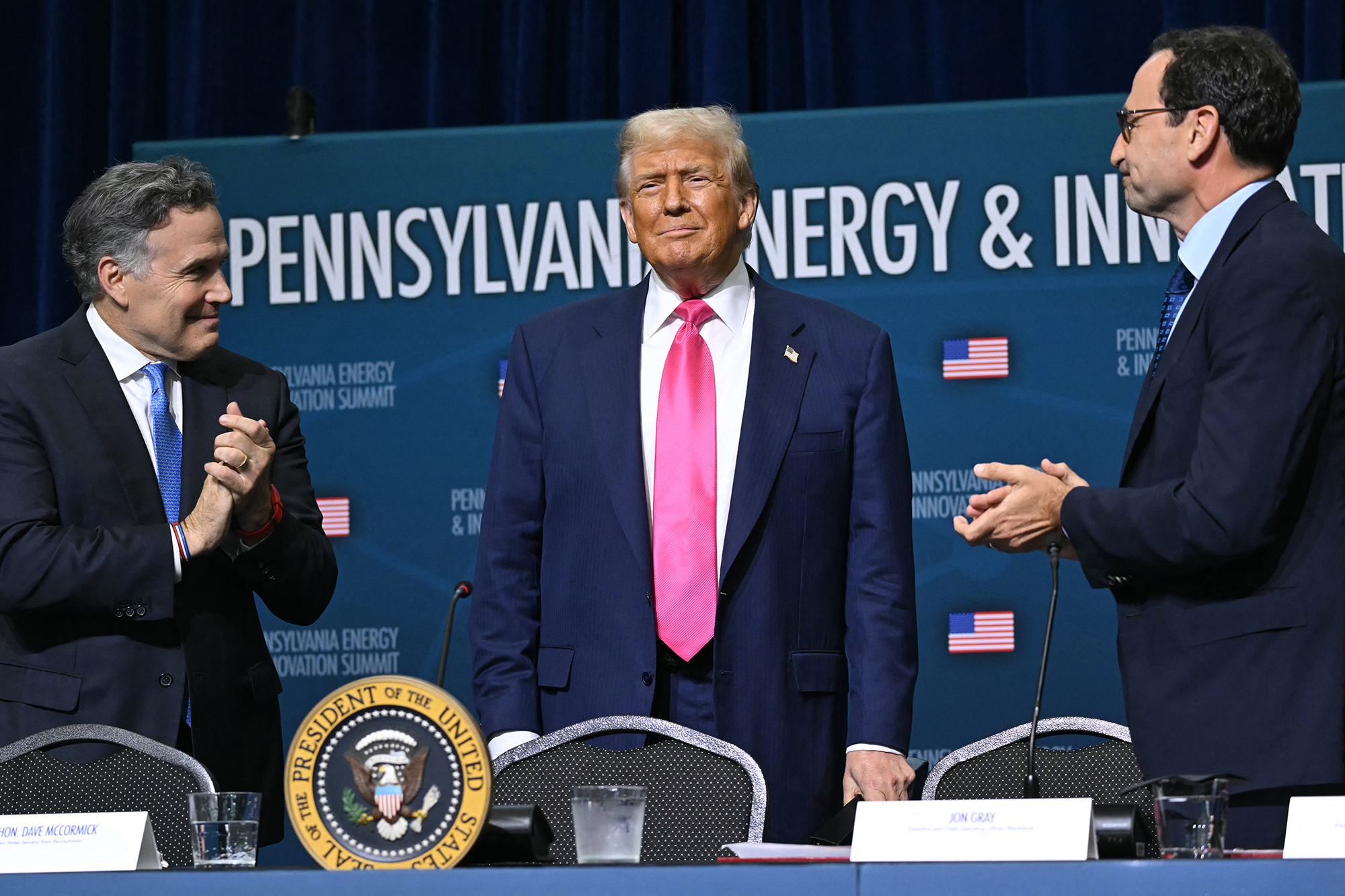
President Donald Trump hailed more than $92 billion in investments in artificial intelligence and energy infrastructure during a visit to Pennsylvania, highlighting his efforts to bolster US competitiveness in the AI field.
Low volatility exchange traded funds are a compelling solution for those looking to dampen risk while staying invested.
As artificial intelligence transforms industries, investors face a critical question: How can they strategically approach investments in AI ETFs? Rene Reyna, head of Thematic and Specialty Product Strategy for ETFs at Invesco, offers valuable insights into navigating this complex landscape.
Raymond Bridges, Managing Director of Bridges Capital, discusses the strategy behind the Bridges Capital Tactical ETF (BDGS), emphasizing the importance of risk-adjusted performance and the value of active management. VettaFi’s Zeno Mercer examines the rapid evolution of healthcare technology and highlights the ROBO Global Healthcare Technology & Innovation ETF (HTEC).
On this episode of the “ETF of the Week” podcast, VettaFi’s Head of Research Todd Rosenbluth discussed the CoinShares Valkyrie Bitcoin Miners ETF (WGMI) with Chuck Jaffe of Money Life. The pair discussed several topics related to the fund to give investors a deeper understanding of the ETF overall.
On Wednesday, Vanguard expanded its fixed income ETF selection with the launch of three new funds.
As 2025 progresses, investors and policymakers are navigating a highly complex economic landscape shaped by three powerful and interrelated forces: evolving trade policy, a cautious U.S. Federal Reserve (Fed), and growing concerns over U.S. fiscal discipline.
BlackRock Inc. pulled in $46 billion to its investment funds, and assets hit a record $12.5 trillion as clients rode out the volatility of President Donald Trump’s tariff policies in the second quarter.
We continue to believe we are seeing a rare opportunity in EM local debt, and our conviction has been strengthened by the Trump administration’s trade and economic policies, which suggest continued dollar weakness and relative strength for EM local currencies.
It is easy to invest when markets are rallying, but it can be tough for investors to stay in their seats when markets inevitably decline again.
Every year around this time, we update our Periodic Table of Commodities Returns to reflect the performance of raw materials in the first six months. I’m biased, but few tools do a better job of providing a clear, interactive picture of the commodities landscape than ours.