Organizations are beginning to rethink how development projects are priced. One emerging approach is the use of a max-price software model. This establishes a predefined budget ceiling while allowing priorities to evolve throughout the project.
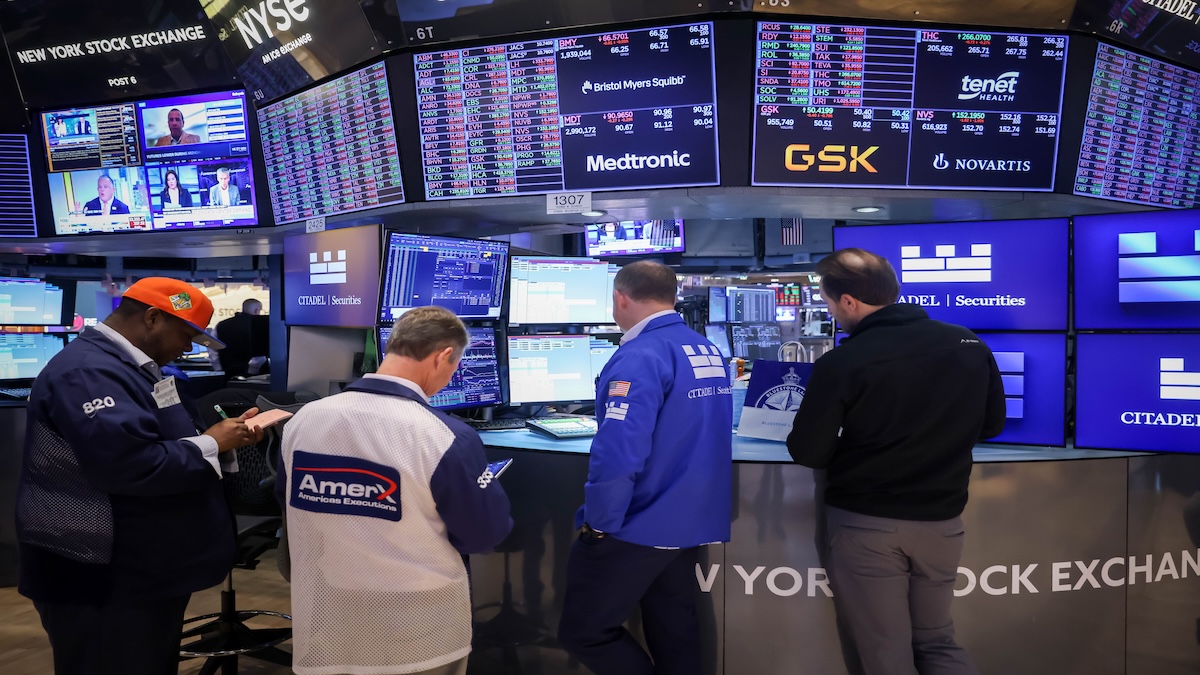
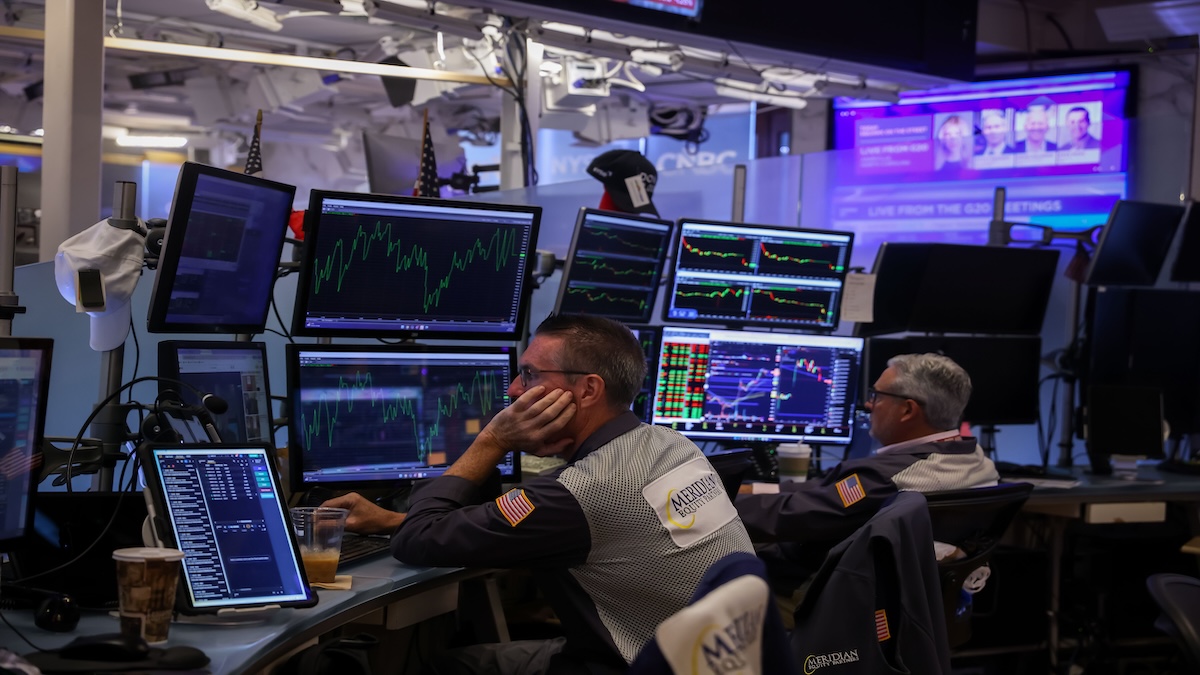
Stock investors are caught between the pull of strong earnings and mounting macroeconomic risks, with key events carrying binary outcomes that argue for some protection.
Healthcare automation startup Forus has raised $150 million at a $3 billion valuation just months after completing a previous funding round.
Around 2020, Apple Inc. Chief Executive Officer Tim Cook returned from a trip to Asia unusually energized about a new product category: foldable phones.
SpaceX’s stock has been stuck in a tight trading range recently, but a wave of new buying may soon arrive when the Nasdaq 100 Index goes through its quarterly rebalancing later this month.
A sudden reversal in momentum for previously high-flying shares of industrial companies over the past three weeks has some investors bracing for more pain ahead.
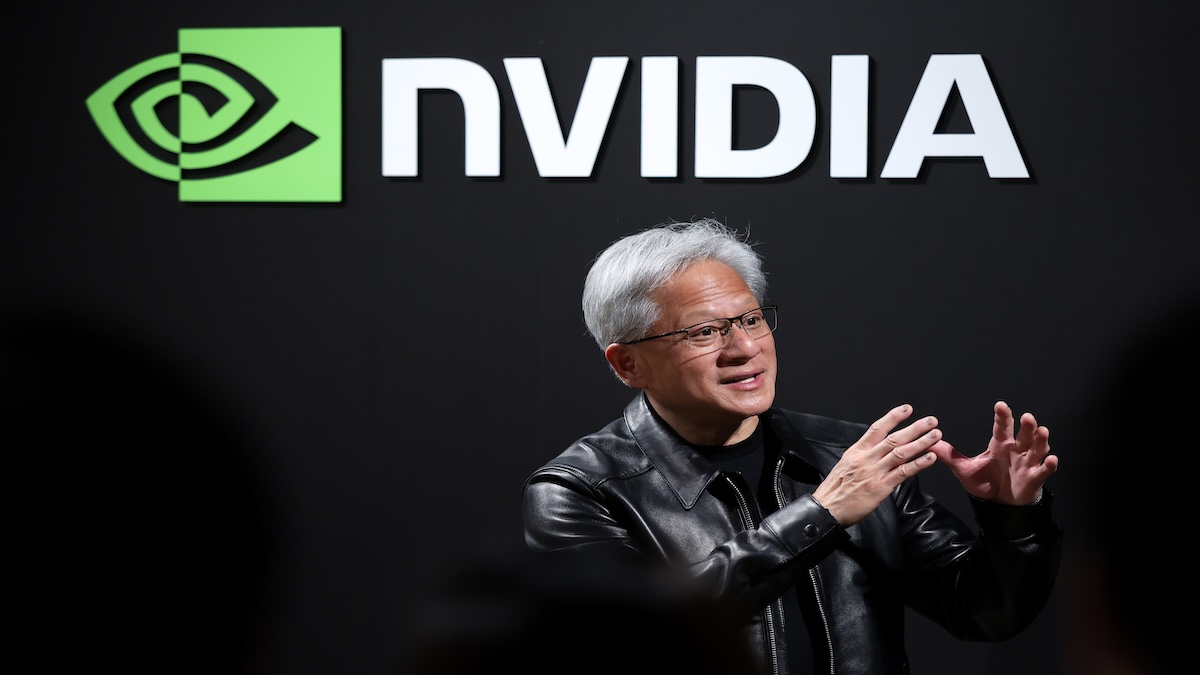
If you were Nvidia Corp. Chief Executive Officer Jensen Huang and you were laying out a few sector-shifting artificial-intelligence trends that could take shape over the coming months and years.
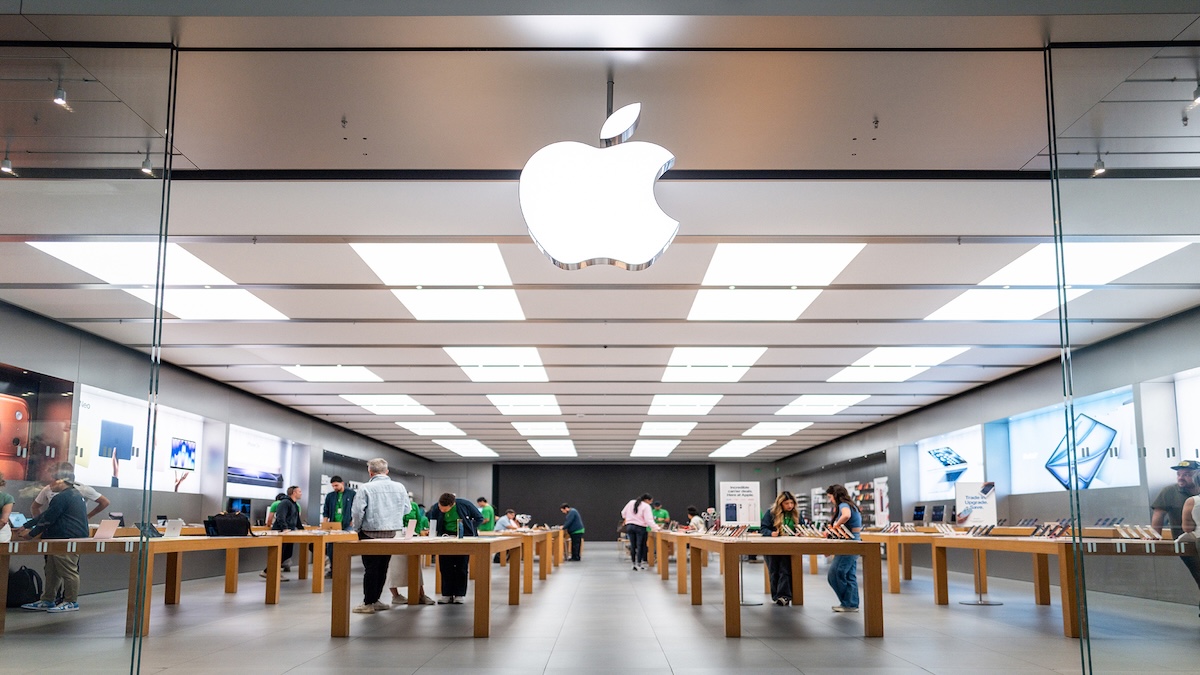
Apple Inc. has spent much of the past 15 years refining existing product lines and launching services to generate more recurring revenue. There have been a few fresh device categories, like the Apple Watch and AirPods, but no steady stream of new concepts.
Anthropic PBC is set to finalize an expansion of its revolving credit facility to $15 billion, according to people familiar with the matter, clearing a hurdle before the artificial intelligence firm’s public filing for its highly anticipated IPO.
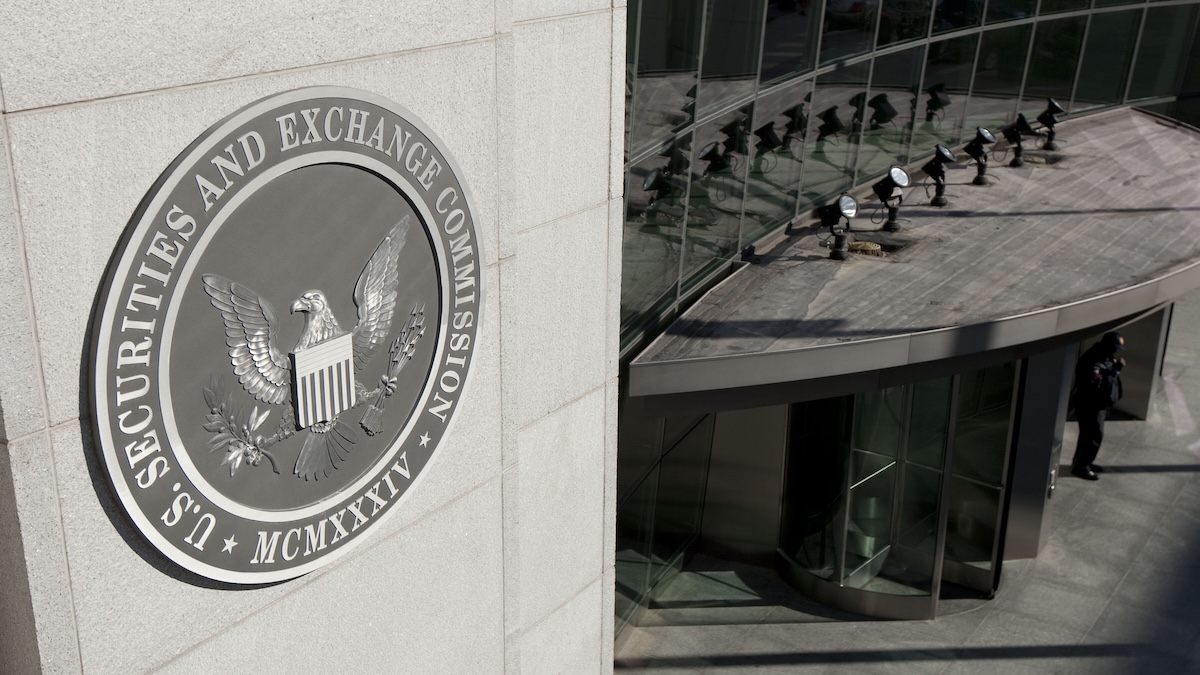
The US Securities and Exchange Commission is eyeing a plan to expand access for retail investors to private markets and allow investment advisers to charge performance fees to a wider set of clients.
Sift through the filings of pension funds and insurers around the world and one thing stands out: some of the biggest holders of US assets have little protection against a weaker dollar, leaving the currency at risk of steeper declines if sentiment suddenly turns.
How should investors think about today’s stock market valuations? The answer likely sits between rich and cheap. If earnings keep growing rapidly alongside AI spending, the market, in aggregate, may be fairly priced despite CAPE's warning. But a recession — or a slowdown in planned AI spending — is a real risk to that outcome.
True diversification means gaining exposure to different drivers of performance rather than simply holding a larger count of securities. For many retail investors, this exposure is available through listed infrastructure funds, utility strategies, and ETFs focused on energy storage and industrial innovation.
The National Football League is holding off on making any alliances with prediction market companies even as many other top leagues and events embrace the new form of sports betting.
US job growth surged in August and the unemployment rate held steady, suggesting the labor market has more momentum than previously thought.
US stock futures erased early gains to briefly touch session lows on Friday after the US added 162,000 jobs in August, raising concerns that the Federal Reserve may hike interest rates soon.
More than a year after wildfires devastated Pacific Palisades, a nonprofit is advancing a plan to tap the public debt market to create housing in the slow-to-recover Los Angeles wealthy enclave.
Global bond yields have climbed to the highest levels in almost two decades, pushing up mortgage repayments and corporate financing costs. But one corner has remained unusually resilient: emerging markets.
A recent plunge in US labor force participation has sparked competing theories about whether persistent drivers — like aging and immigration — or more temporary seasonal shifts are to blame. Any evidence in upcoming jobs reports could reshape how policymakers view the labor market.
Nvidia Corp. has agreed to acquire artificial intelligence startup Hugging Face in a transaction valued at about $13 billion.
Wall Street dealers were already bracing for a potential record in September for high-grade US corporate bond sales, and recent surging yields may give the blue-chip companies even more reason to borrow now before funding costs rise further.
Federal Reserve Governor Christopher Waller said his next decision on interest rates will be “heavily influenced” by August inflation data due next week, adding it may not take much to nudge him toward supporting a rate hike at the Fed’s upcoming policy meeting.
US stock futures posted modest gains Thursday as bond yields stabilized near multi-year highs and investors digested latest commentary from Federal Reserve Governor Christopher Waller. Chip stocks fell after Broadcom Inc.’s results.
The recent IPO of SpaceX and the anticipated IPOs of Anthropic and OpenAI are focusing attention on how to invest following a liquidity event. Here, we discuss several important decision points.
The future of financial planning is not about advisors becoming therapists. It is about advisors becoming better facilitators of meaningful, structured conversations that lead to better decisions. You don’t have to start with perfect skills. Start with a better process.
There are ways to learn how to work with difficult people. I have a process I call ARTICA that I teach to help you shift your approach when someone is being difficult. Their behavioral style isn’t going to change, so you need to be the one to think of a different approach to see if you can shift yours. In turn, they might change their approach.
The firms I see succeeding with AI right now aren't the ones with the flashiest assistants. They're the ones whose compliance officers helped design the architecture instead of it being handed over after the fact. That single change — inviting compliance into the build, not just the review — is the difference between an AI program you can defend and one you're hoping no one ever questions.
Americans like to spend money, and they’re good at it. But they also feel kind of bad about it.
Investors are being offered a new way to bet on space via a fund that focuses exclusively on a sector thrust into the limelight by the IPO of Elon Musk’s SpaceX.
US stocks flipped between small gains and losses on Wednesday after a three-day skid, as oil prices halted a sharp advance, easing inflation concerns as traders weigh the Federal Reserve’s potential path for interest-rate hikes.
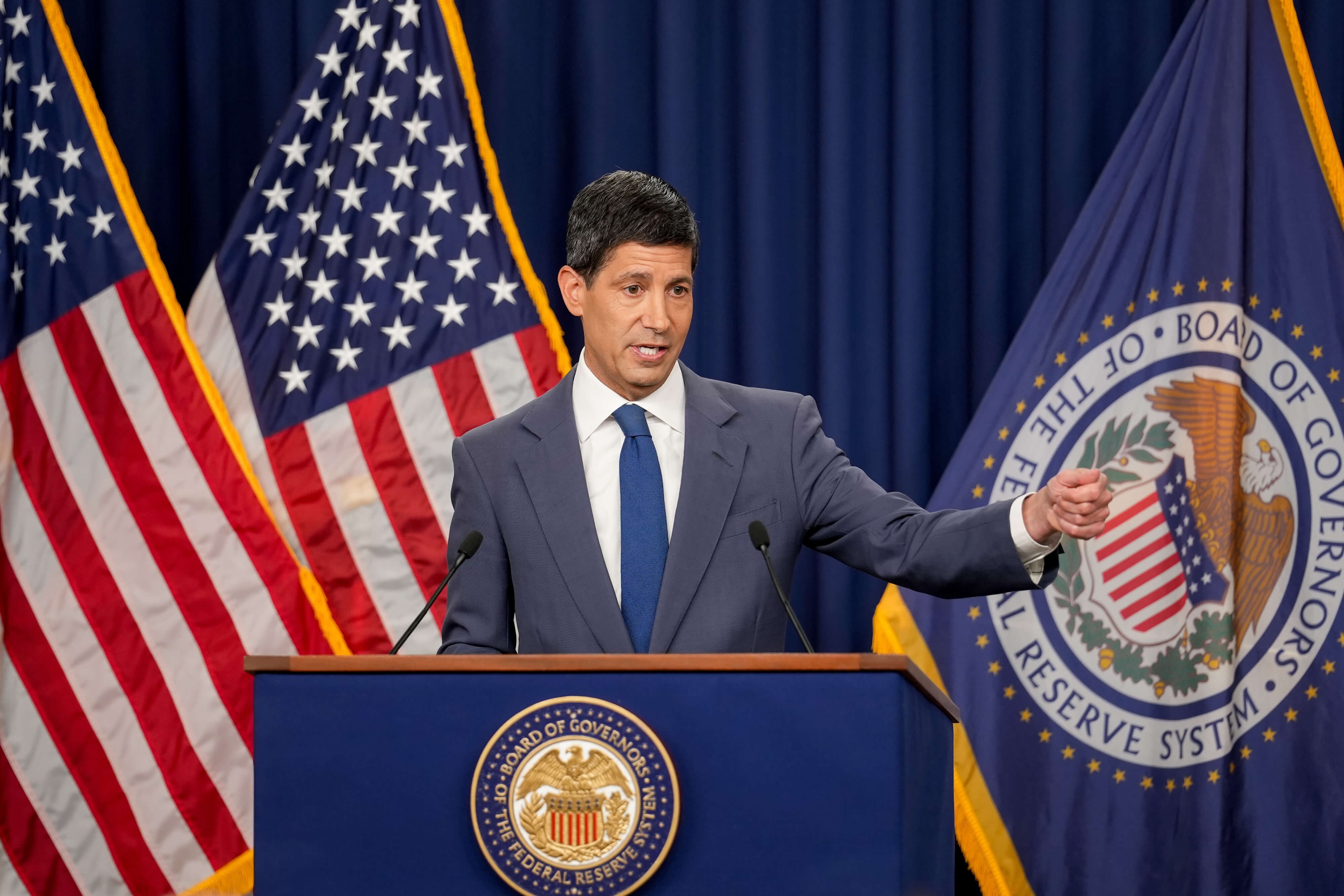
Federal Reserve Chairman Kevin Warsh used his keynote speech in Jackson Hole, Wyoming, last week to map out some of the key data points he leans on to read the US economy, offering new insight into his approach to policy making.
Brightline has reached a deal with municipal-bond insurer Assured Guaranty Ltd. that would provide the debt-laden Florida railroad with at least $350 million in new loans if it heads into Chapter 11 bankruptcy, according to people familiar with the matter.
Advisors who build a third-quarter planning call into their process tend to see fewer IRS notices land on their clients' desks. Tax season teaches clients to think about taxes once a year. The advisors who win their trust are the ones who think about taxes all year round.
An estimated $124 trillion is expected to transfer through 2048, including about $105 trillion to heirs. We have spent a great deal of time estimating the value that will transfer from one generation to the next. However, if advisors expect to maintain the value received, we should be equally interested in whether the value we provide in exchange is evolving with it.
Billing and compensation may not be glamorous, but they're foundational. And for leadership teams, the question isn't only whether software can be built faster with AI. It's whether they want to own the budget volatility, compliance exposure, integration complexity, support responsibility, and distraction of running an internal platform this close to revenue.
There is a reasonable argument that population decline is not a catastrophe. Fewer people means less pressure on housing, energy, and food. Automation may cover some of the missing labor, and countries have absorbed demographic shifts before. Those adjustments take decades, though, and you will likely retire before they finish.
Regional lenders Truist Financial Corp. and Fifth Third Bancorp. have paused distribution of products tied to billionaire financier Mark Walter’s biggest insurance firm, according to people with knowledge of the decisions.
Not since 2006 have yields on the longest-maturity Treasuries been this high for this long, with a gaping budget deficit, another wave of corporate issuance and a potentially decisive Federal Reserve meeting set to keep investors wary of US debt in coming weeks.
T. Rowe Price Group Inc.’s chief executive officer sees tax-loss harvesting strategies as a growth area, but remains confident that its offerings won’t draw regulatory scrutiny.
An almost-vertical rally in gold-miner stocks in the past month is whetting the appetite of investors who have been whipsawed by messages from Washington policymakers.
As government bond yields across the world erupt, corporate credit has rarely looked calmer. Yet even in that market, about $1 trillion of bonds are telling a much different story.
Over seven years ago, I wrote a piece using the 1960s TV sitcom Gilligan's Island to provide a simple example of why productivity is the most important driver of economic growth. In this article, I present the next episode of Gilligan’s Island, describing what happens after the benefits of innovation stop driving economic growth.
Most of us keep a chunk of cash on hand — for rent, groceries, the occasional emergency, or simply because we haven’t gotten around to investing it yet. In the finance industry, this is called your “float.” We think the single best thing most people can do with it is own a Treasury Bill ETF — and yet almost nobody does.
The TDF industry is an oligopoly where four firms dominate more than 75% of the $5 trillion market. Competitors that are desperate for market share have turned to “managed” QDIA accounts — a gimmick masquerading as personalization.
The US plans to use its newfound assertion of control over billions of barrels of Venezuelan crude oil to refill the nation’s depleted emergency reserve, President Donald Trump said Sunday.
Anthropic PBC’s IPO is casting a long shadow over companies’ US listing plans, as they try to find room for their deals to grab attention after the Sept. 7 Labor Day holiday.
For the first time in his three months on the job, Federal Reserve Chair Kevin Warsh said the right things. In his keynote speech Friday at the Federal Reserve Bank of Kansas City’s annual central banking event in Jackson Hole, Warsh acknowledged that inflation was elevated and widespread, and had been been so for “far too long.”
Even more so than usual, Hollywood’s future is uncertain. For decades the Los Angeles economy revolved around the film industry, but now more movies and shows are filmed elsewhere, driven or lured away by high expenses or tax incentives.
Bond investors at firms including ABN AMRO Investment Solutions and Brandywine Global Investment Management are voicing skepticism about mounting speculation that Federal Reserve Chairman Kevin Warsh is poised to raise interest rates.
Nvidia Corp. is not only tightening its grip on artificial intelligence, it’s also absorbing the companies fighting to keep the industry open and decentralized. On the same day the chip giant announced quarterly revenue that had doubled and would continue rising next year, sending its shares up 7%, news broke that it has reportedly agreed to spend $13 billion on Hugging Face, a platform for open-weight AI models.