The bear has ended a long hibernation.
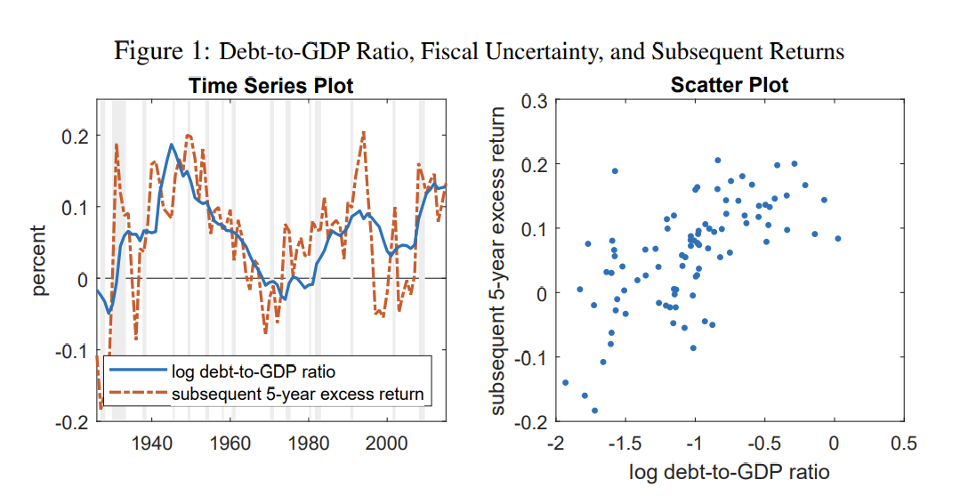
Our fiscal deficit, as measured by the debt-to-GDP ratio, has grown to levels that could impede growth, as predicted by financial theory and confirmed by empirical evidence. Moreover, new research shows that our burgeoning deficit could increase risk premiums for both stocks and bonds.
How are advisors coping with the new Department of Labor (DOL) rollover rules? Here are a dozen observations.
Summer is right around the corner, and traditionally that’s when families pack their bags and get away for a well-deserved vacation. Since this is the first summer travel season in three years that feels like the before times, airlines and airports are bracing for what is expected to be a particularly busy three months.
The war in Ukraine will pour more gasoline on the already raging inflationary fire, threatening to send the global economy into stagflation. Stagflation is a slowdown of economic activity caused by inflation.
The Franklin Templeton Institute hosted the Global Investor Forum last week in New York featuring internal and external speakers with expertise across economics, history, foreign policy, sustainability and investment management.
The widespread adoption of remote work across the US has left local employers learning to compete with out-of-state companies offering big-city salaries.
The price of foods, fuels and other essential items are spiraling ever upward as Russia’s war on Ukraine compounds supply-chain woes stemming from the pandemic. Central banks may be in the driving seat when it comes to tackling inflation, but it’s governments that face the fallout and so are compelled to act.
Who could have foreseen the selloff in shares of big technology companies? Anyone who bothered to do a little math.
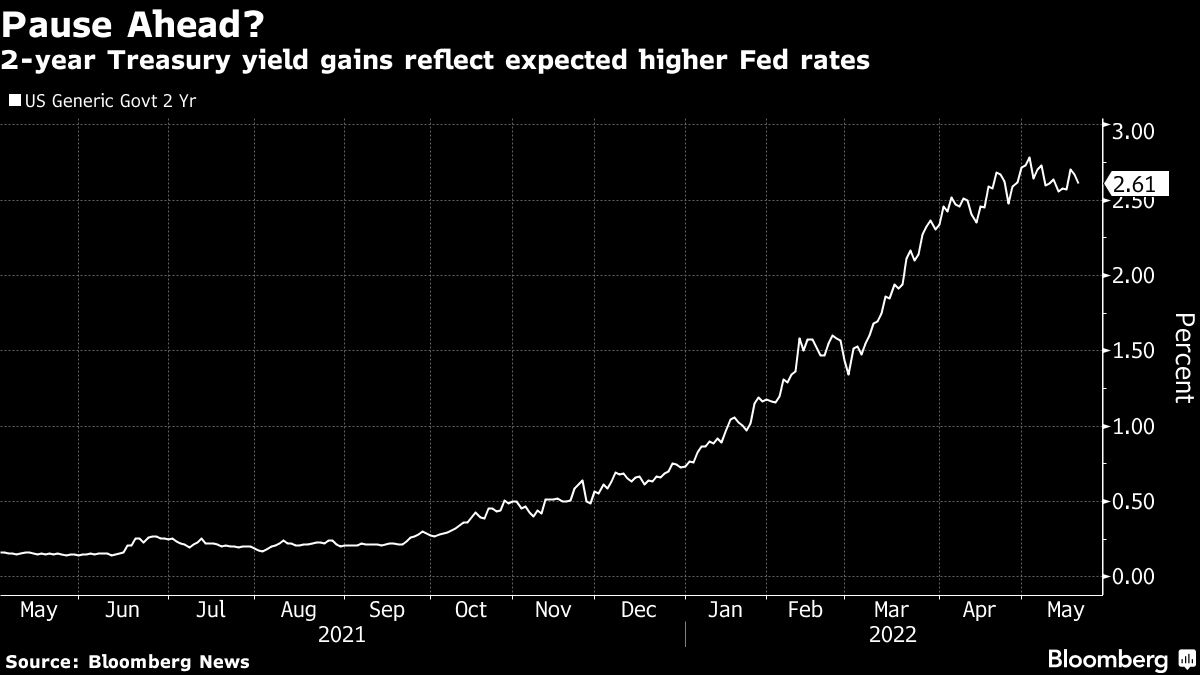
Federal Reserve Bank of Atlanta President Raphael Bostic has cracked open the door to discussing a September pause in the central bank’s aggressive rate hikes -- a move that will only be on the table if inflation falls more than expected over the summer.
Treasury Inflation-Protected Securities, or TIPS, can help protect against inflation over the long run, but in the short term their performance may be dictated more by price declines in the secondary market.
Russia’s blockade of Ukraine’s ports is a “declaration of war” that threatens to trigger mass migration and a global food crisis, a United Nations official said, adding to the dire warnings on the opening day of the World Economic Forum in Davos.
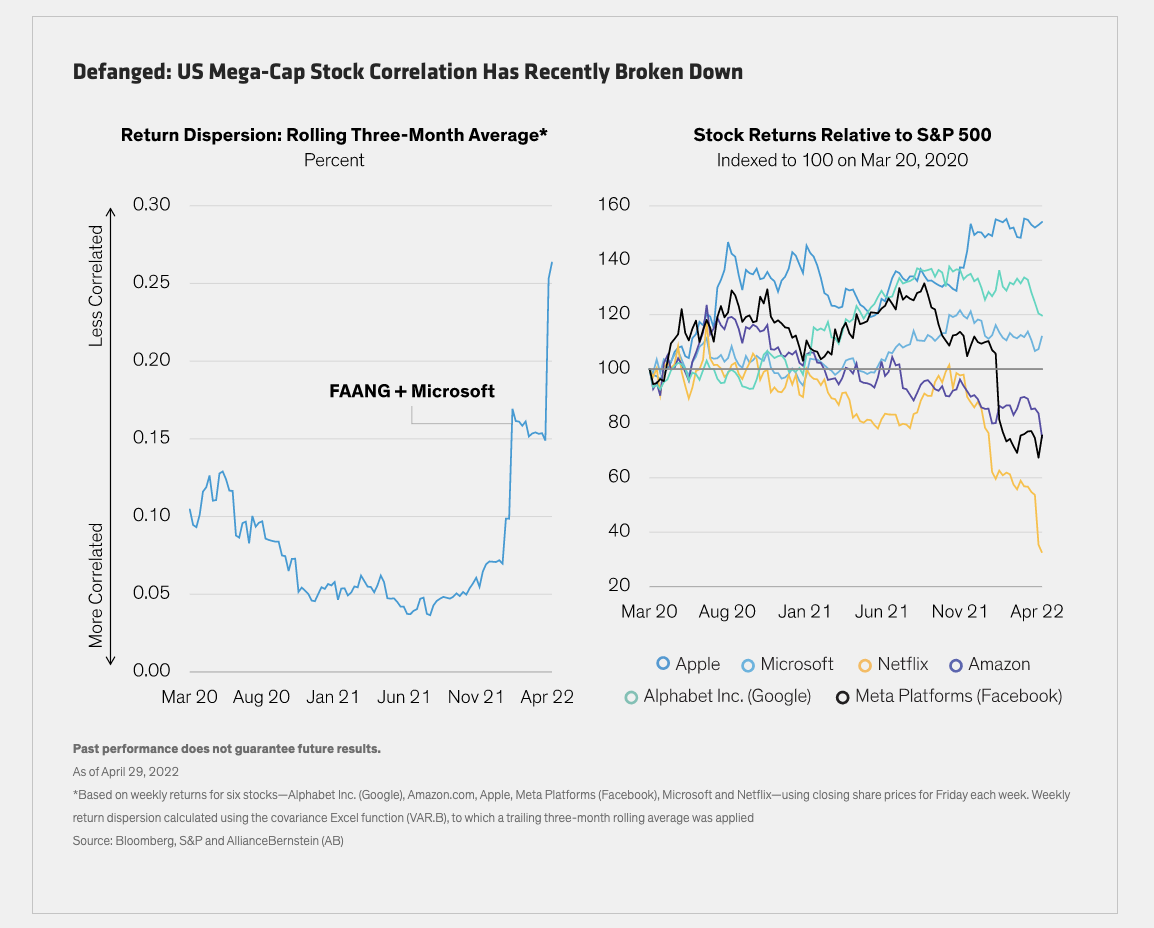
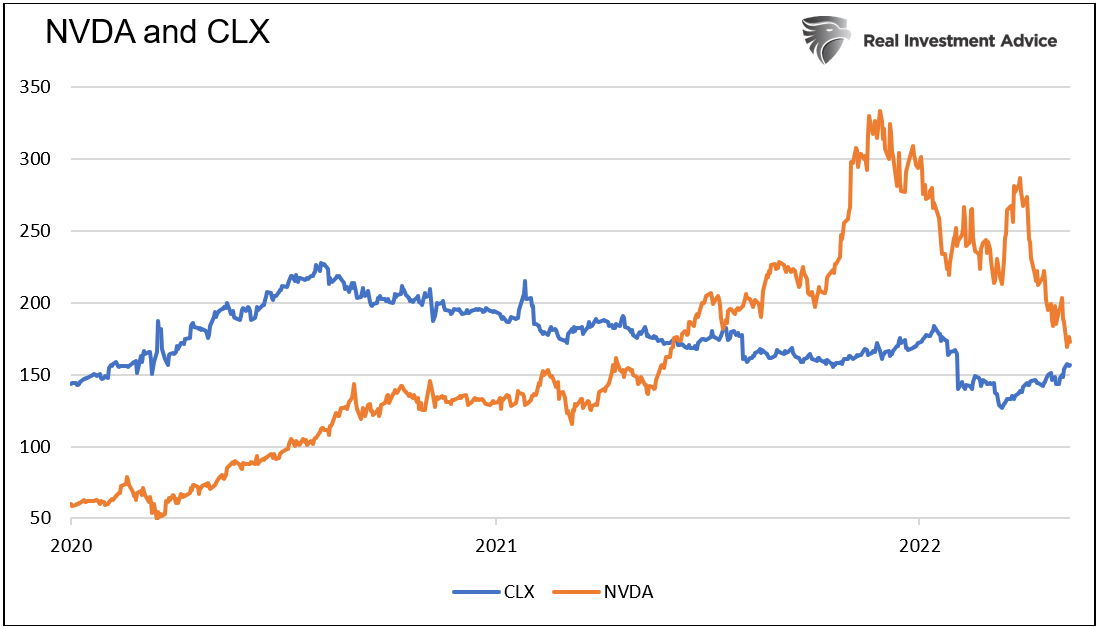
For several years, the largest US technology and new media companies were widely seen a cluster of similar stocks.
With economies scrambling for alternatives to Russian fossil fuels, Dina Ting, our Head of Global Index Portfolio Management, offers perspective on single-country portfolio exposure to other world oil producers.
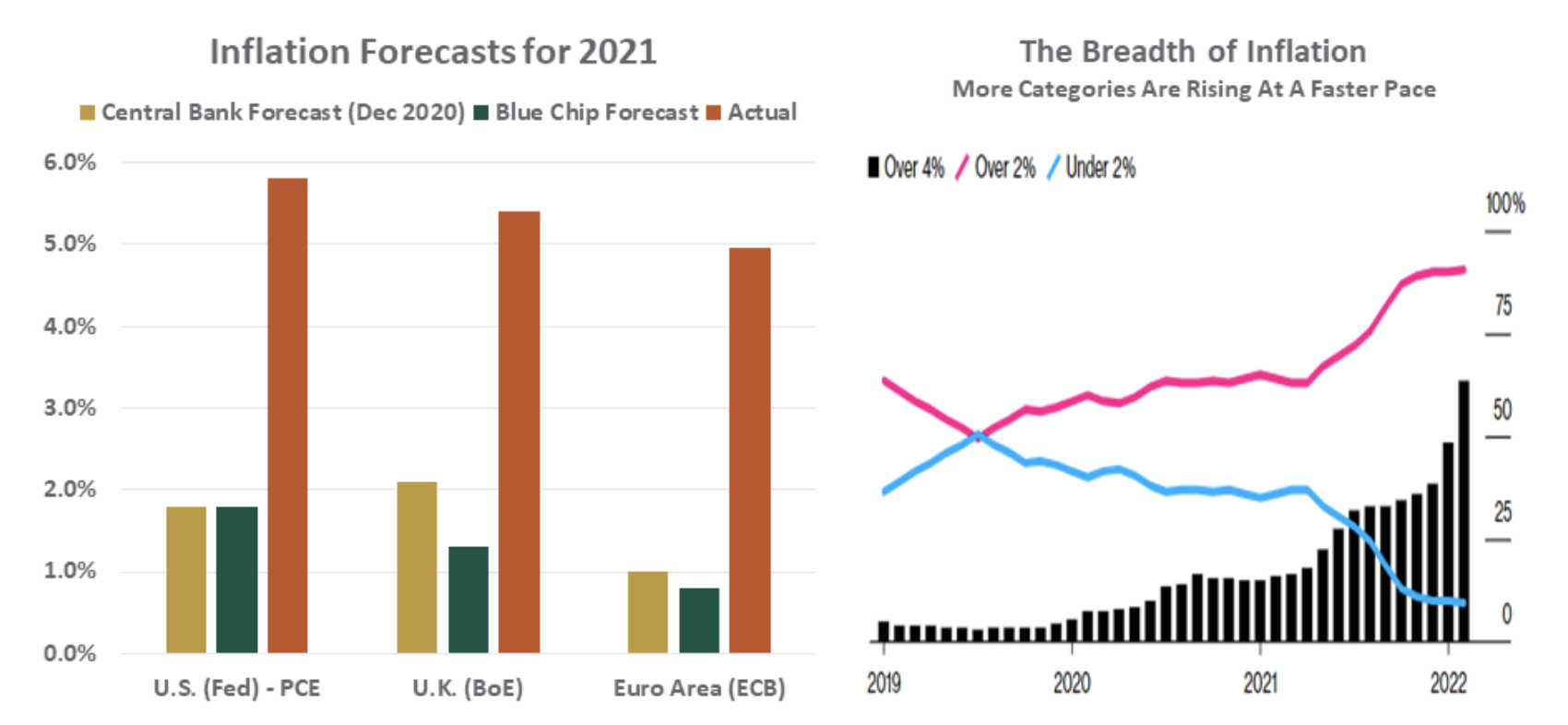
Policymakers and forecasters were slow to change their mindset about inflation.
At least a couple of major retailer stocks got clobbered last week as investors sold on reports that they missed earnings estimates.
The following is a hypothetical and fictional account of how big tech can disrupt the wealth management industry. A back-to-client focus is discussed. reminiscent of how Apple’s Mac OS empowered users and supplanted predecessor operating systems.
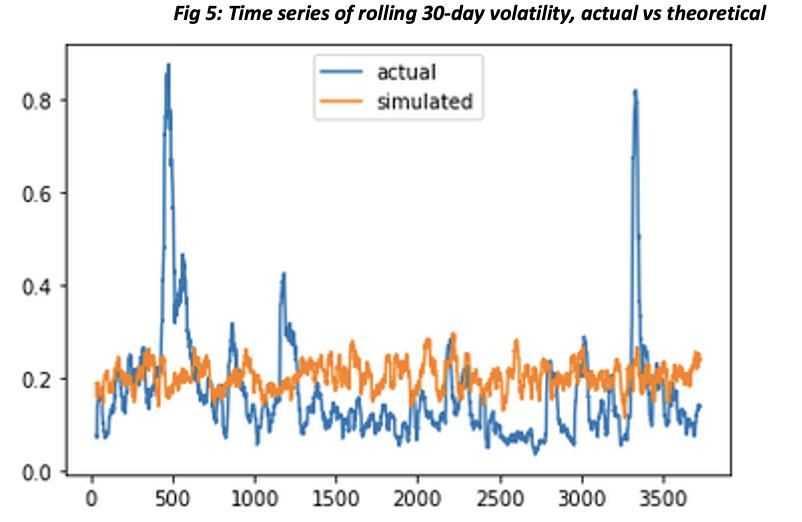
Volatility is the standard measure used by advisors to measure risk. It has been useful but has limitations. There are ways that volatility will not provide an accurate representation of the risk of an investment portfolio.
Two of the world’s most respected investors, Jeremy Grantham and Ray Dalio, offered identical warnings: The bubble in U.S. equities is unwinding, and the economy is headed for stagflation.
Technology stocks have taken a deep dive, blue-chip stocks are ailing, stablecoins aren’t stable, and don’t even ask about traditional crypto. Art markets, however, are alive and well — and it’s worth asking why.
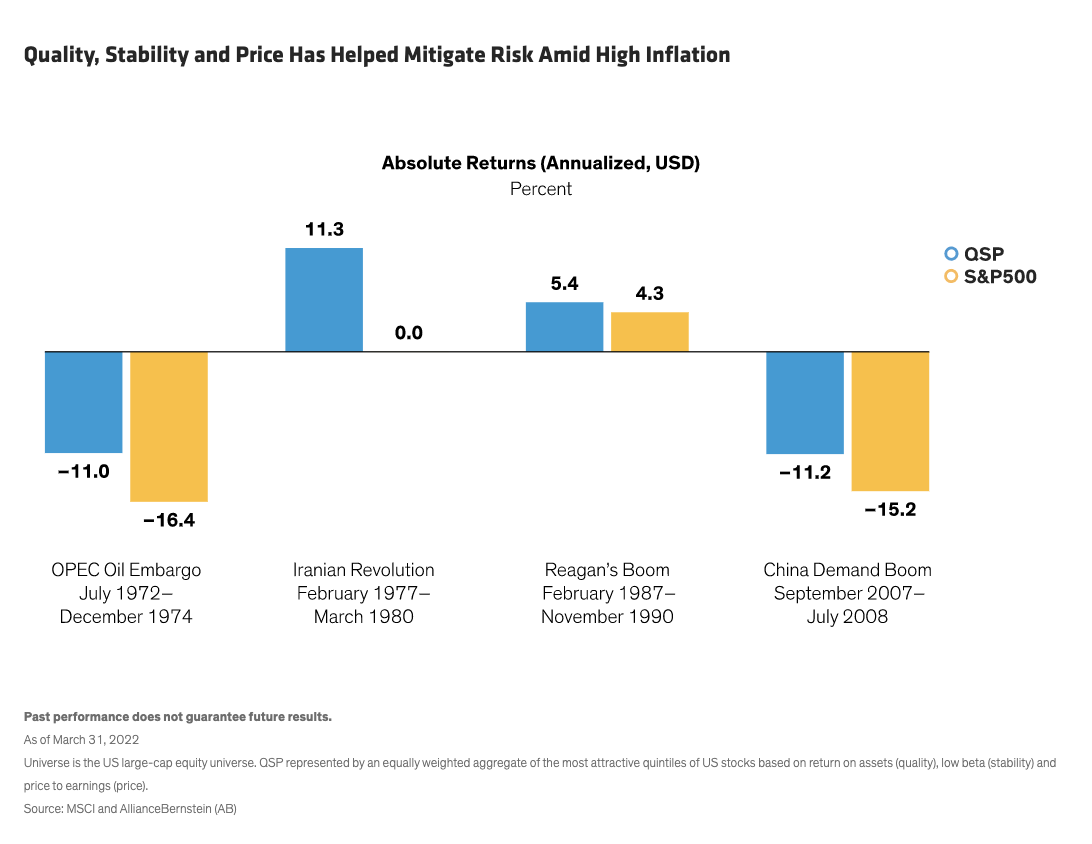
The parallels between the 2020s and the 1970s grow more numerous by the day. The economy faces the threat of stagflation. Fuel prices are surging, and shortages loom. Politicians are flailing. The international environment is deteriorating. The Supreme Court is revisiting the 1973 Roe v. Wade ruling.
The U.S. was experiencing some of the highest inflation in its history.
As with bodily atherosclerosis, curing our economic condition may require lifestyle modifications. But in one sense, it will be even worse: We’re all going to get the cure whether we want it or not. We’ll get its side effects, too… and you can bet there will be many.
This week has seen a series of rapid contractions across the digital asset ecosystem. In a space that is well-known for volatility, even this week has stood out to observers.
There are thousands of mutual funds that offer to select stocks and bonds for your portfolio. But which ones are right for you? Use our Premium membership service to add your logo and a note from you and forward it to your clients.
Research Affiliates discusses the intriguing long-term outlook for value stocks, and provides insights on the models that underpin its asset class forecasts.
Tesla has grown into a $735 billion company on the back of its breakthrough electric-vehicle engineering. Its own carbon footprint is a small fraction of its peers, and its success in the market has pushed the industry overall away from gas-powered vehicles.
The terms "value" and "growth" have been blurred. What appears to be a value stock may be in its reputation only.
“What does a yellow light mean? Slow down!
Our weekly commentaries provide Euro Pacific Capital's latest thinking on developments in the global marketplace.
U.S. equities plunged, finishing near the lows of the day, following disappointing quarterly results from Target Corporation and Lowe's Companies, with both retailers warning of rising cost pressures.
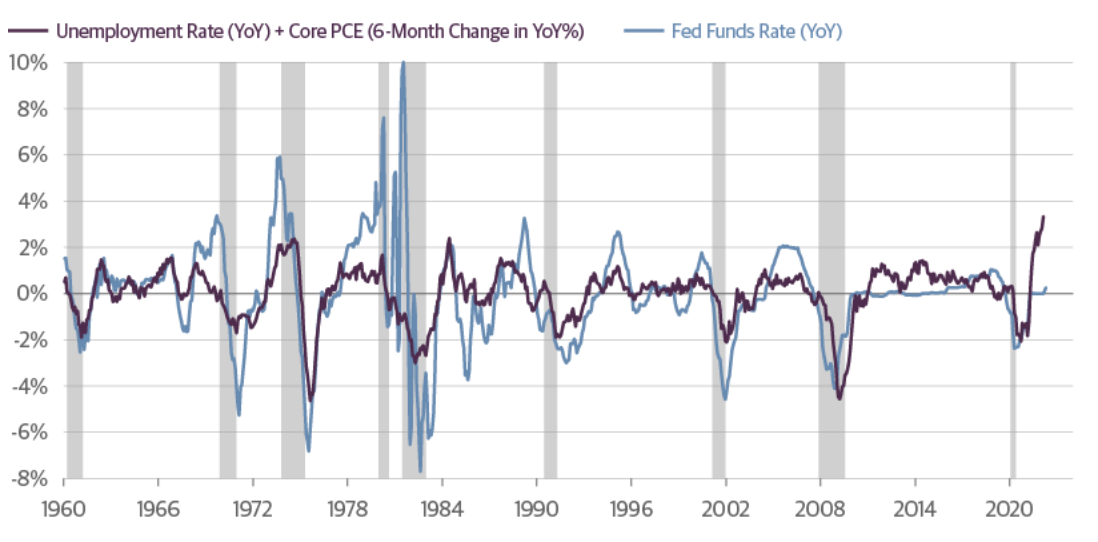
The risks of tightening into a downturn.
Is it odd some newer people would have such negative things to say about me?
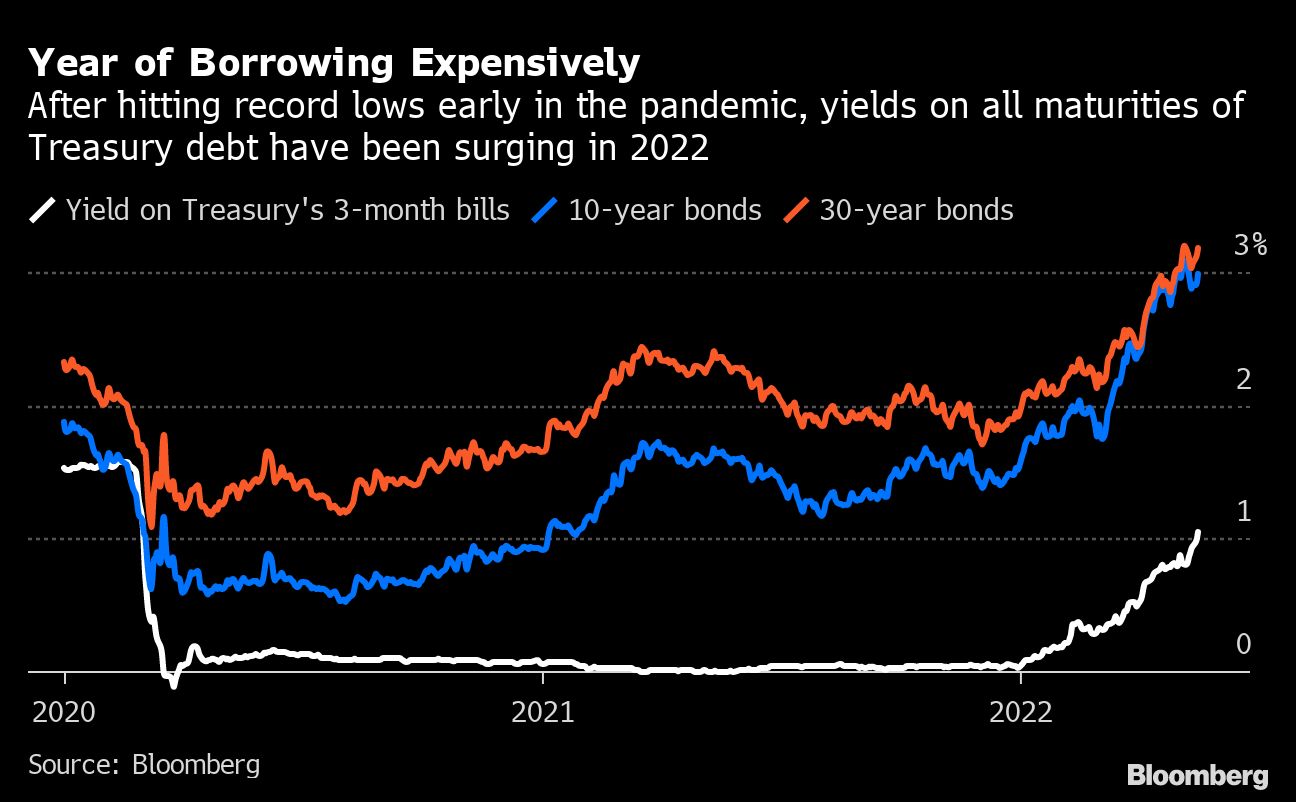
Like a supertanker, US debt-service costs only change course very slowly. But it’s happening now -- and from Washington’s point of view, the new direction is the wrong one: they’re heading up.
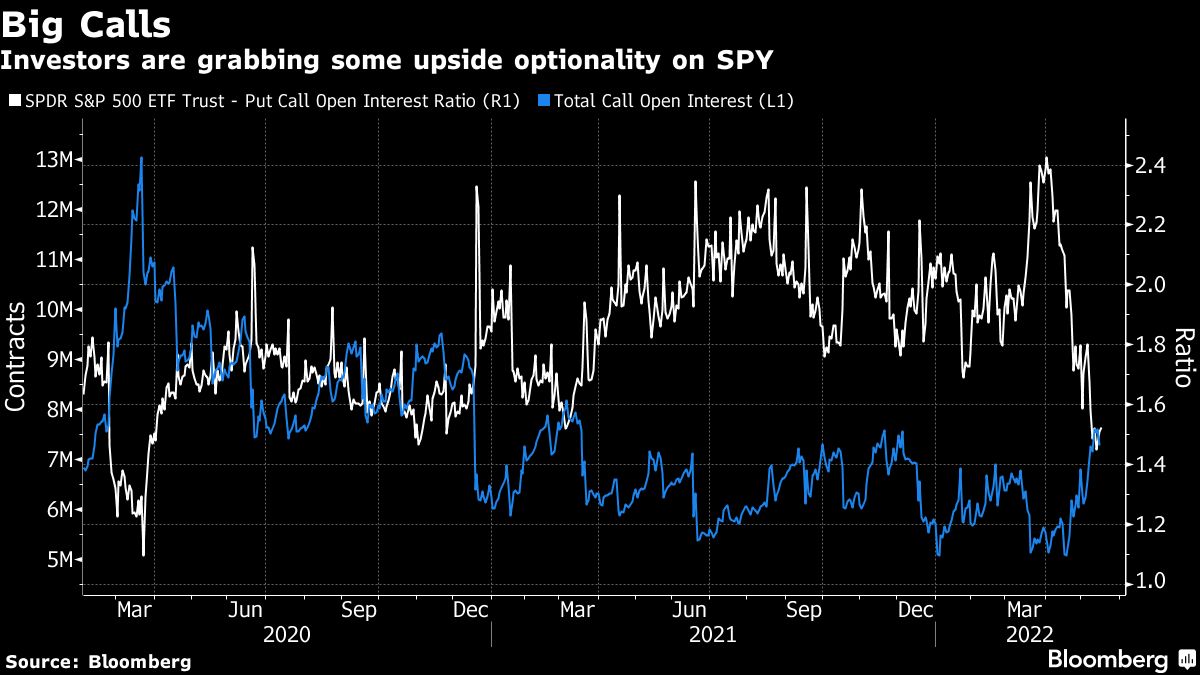
Bearish investors are snapping up bullish options to ensure that their defensively positioned portfolios won’t be left behind if the latest rebound in US stocks proves persistent.
Wylie Tollette, Head of Client Investment Solutions with Franklin Templeton Investment Solutions, joins the head of the Franklin Templeton Institute, Stephen Dover, for a conversation on the recent equity market selloff.
Plan for long-term Inflation that will be fought aggressively by the Fed, higher policy rates, and slower economic growth, according to Raghuram Rajan.
Investor sentiment has become so bearish that it’s bullish.
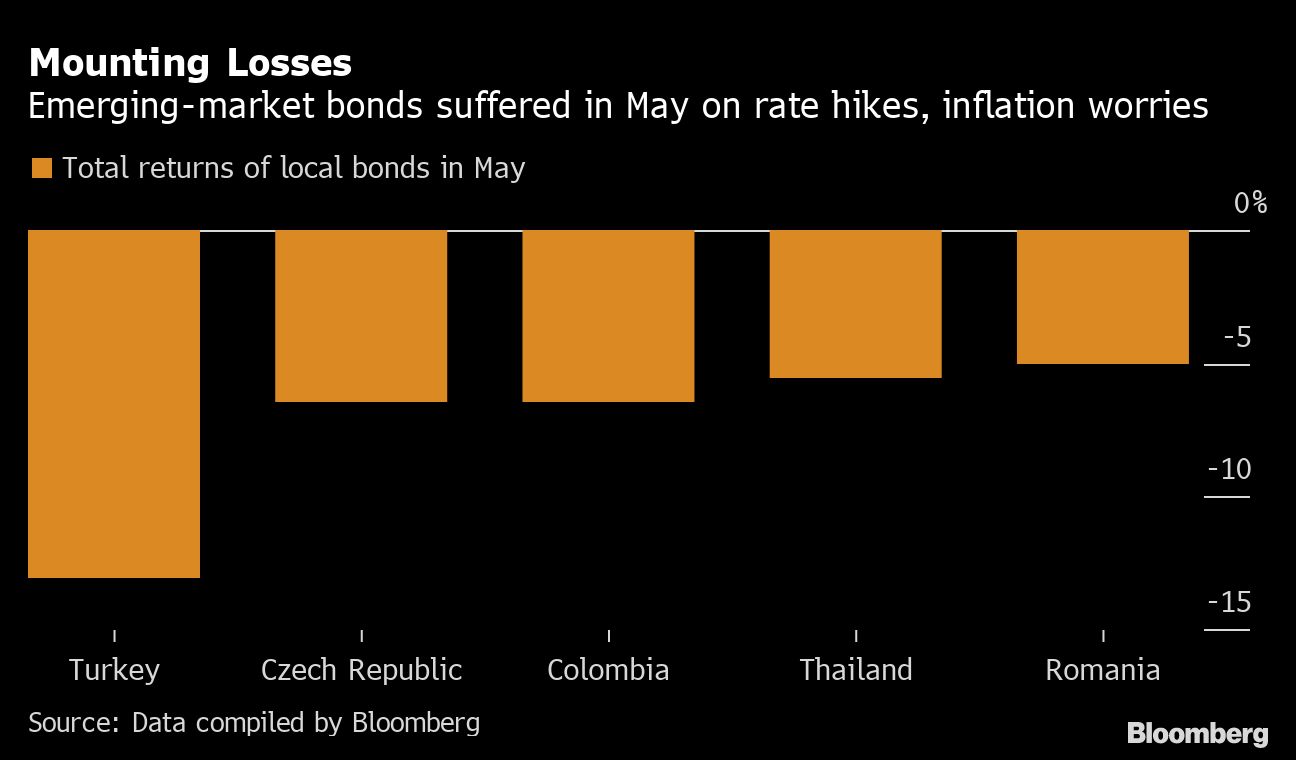
Local-currency debt from developing nations -- which is far more sensitive to a country’s domestic inflationary pressures than dollar denominated equivalents -- has slumped almost 9% this year, the most since at least 2008, according to a Bloomberg index.
Elon Musk has a suggestion for entrepreneurs: Get into lithium mining for juicy margins. It’s a pithy recommendation, but it fails to grasp the complicated challenges for producing more of the metal.
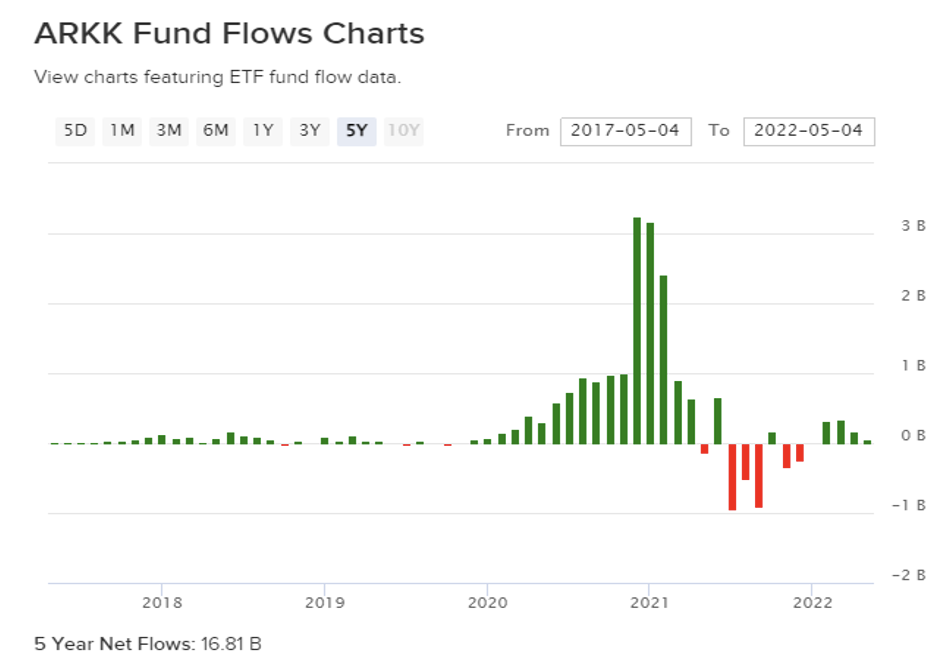
It’s been a brutal stretch for retail traders. Stocks are approaching a bear market. A selloff wiped $200 billion off cryptocurrencies in a single day. And Morgan Stanley found that amateur investors who jumped into the market when lockdowns began in 2020 have lost all their gains.
Three powerful forces have unleashed a volatility storm in stock markets this year.
There’s no way to sugar coat it -the stock market has experienced a bear market affecting all sectors of the market except for Energy.
It has been a rough few months for US stocks but even rougher for shares of technology companies. The widely followed and tech-heavy Nasdaq Composite Index is down about 30% since it peaked in November. Investors may be wondering whether tech stocks are a bargain.
Advisors who use Dimensional funds are generally believed to more likely adhere to their investment strategies than their peers. A comparison of fund and investor returns calls this conventional wisdom into question.
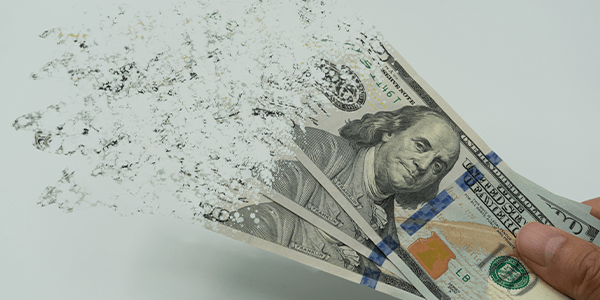
Hundreds of billions of dollars in ephemeral wealth evaporated as the price of Bitcoin plunged to its lowest point since 2020, down more than 50% in about six months. The exchange Coinbase dropped to about a fifth of last year’s initial public offering price.
Historical data shows that stock markets have reacted poorly when the Fed has contracted its balance sheet and reduced liquidity – and the effect is more pronounced when Fed actions deviate from what the market expects.
Some big-name investors forecast that Bitcoin will eventually hit $100,000, $1 million or more. It could very well do that, but for now, its price is closer to $0. That’s both a risk and an opportunity.
The Strategic Investment Conference wrapped up this week with another wave of strong, fascinating speakers and panels. Today I have more to share and, as you’ll see, the plot thickened considerably.
In March of last year, we wrote an article entitled “Timing the End of the Tech and Bitcoin Bubbles”. Our conclusion for Bitcoin was that it was indeed in a bubble but that there was insufficient technical evidence at the time indicating its bursting.