Selling an exchange-traded fund (ETF) should be just as easy as buying one, irrespective of the fund’s size or volume.
In 1995, Treasury Secretary Robert Rubin asserted that a strong dollar is in the US national interest, a mantra repeated by each of his successors. They’re partially correct since the effects of the robust buck, which has soared this year, help some while harming others.
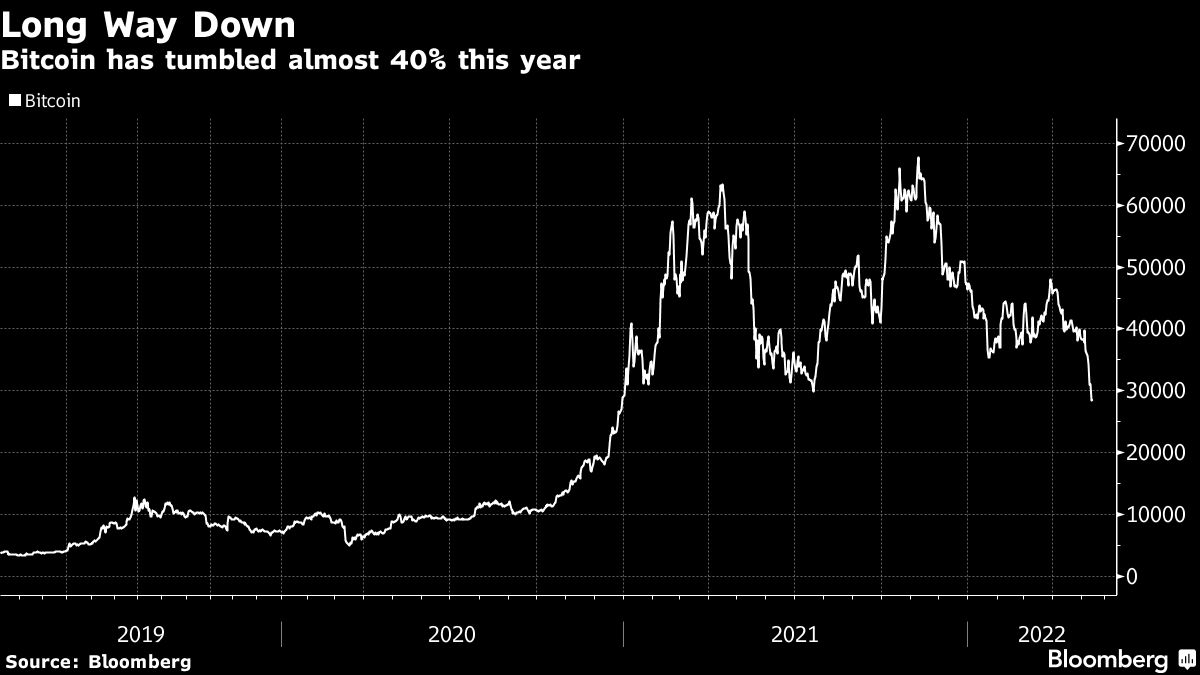
As markets slumped in unison on Thursday, traders pointed to the chaos in crypto as a focal point of their concern. Strategists are increasingly worried that small traders, already nursing losses from the meme stock craze, will be wiped out on their crypto holdings and sell everything else.
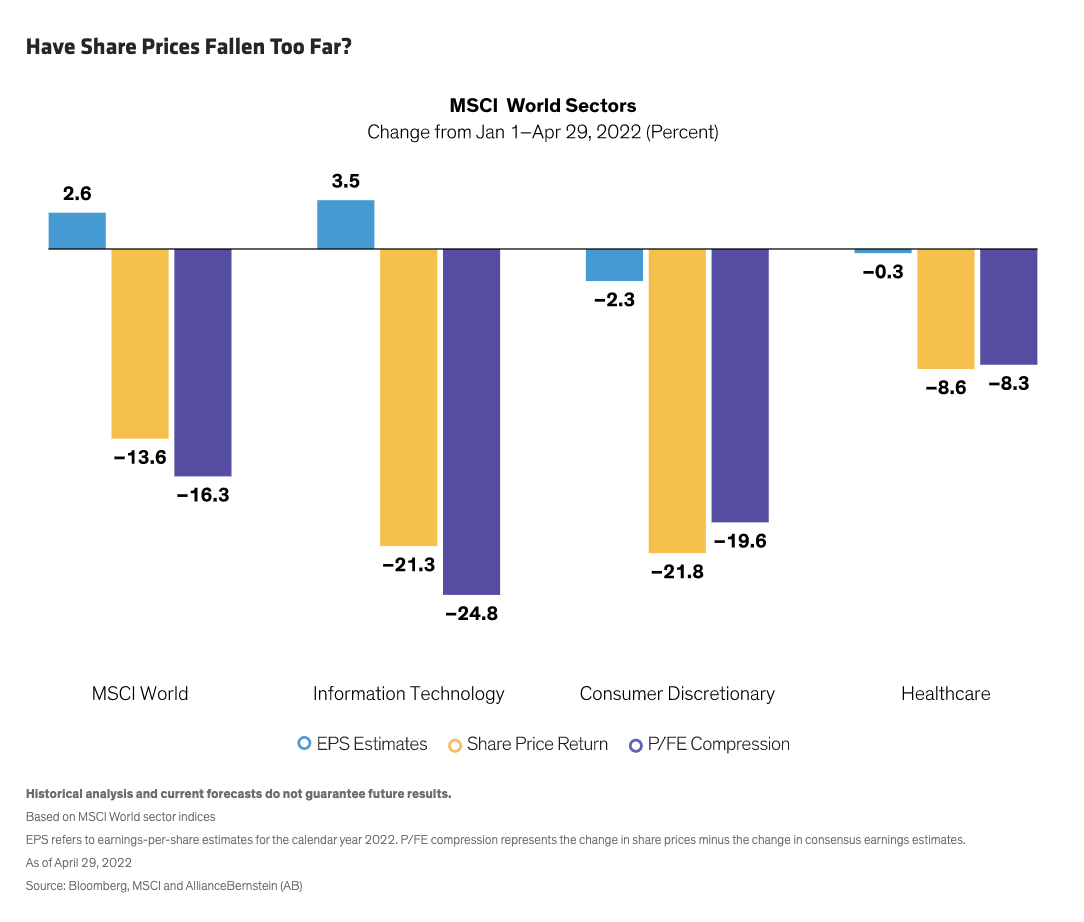
With the world facing inflationary and geopolitical hurdles, economic growth is poised to slow. In this environment, investors in growth stocks must identify companies with the right features to overcome headwinds to earnings.
Problems occur when a market shift reduces investment opportunities after a period when investor capital has been scaled up. The current climate portends such a shift.
For all the benefits of the democratization of finance that gave the masses access to the markets on the cheap, the unavoidable downside is that it is impossible to ignore the market’s flailings any more. In olden times, you had to use a “telephone” to speak with a “human” broker to check on your portfolio, if you weren’t willing to wait for the “postal service” to deliver your monthly or quarterly statement.
The issue is that she doesn’t listen. She interrupts clients.
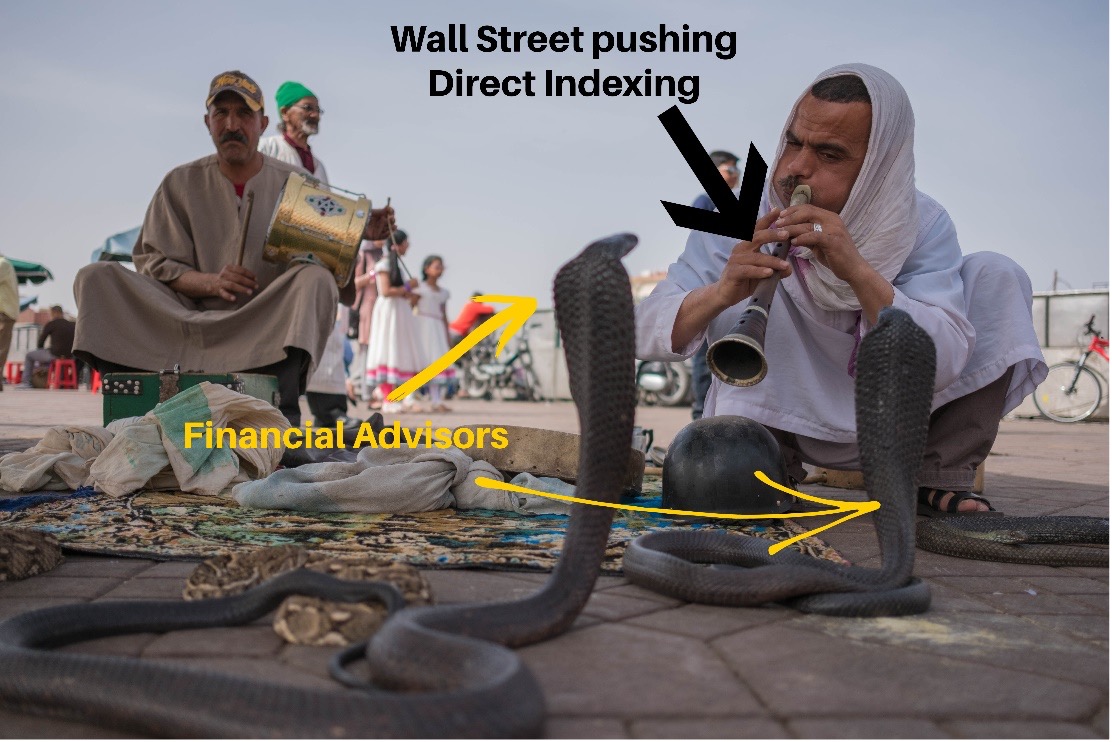
I don’t care how many PhDs are going to argue against me; direct indexing is Wall Street’s attempt at squeezing more fees out of the America public using advisors as the pawns.
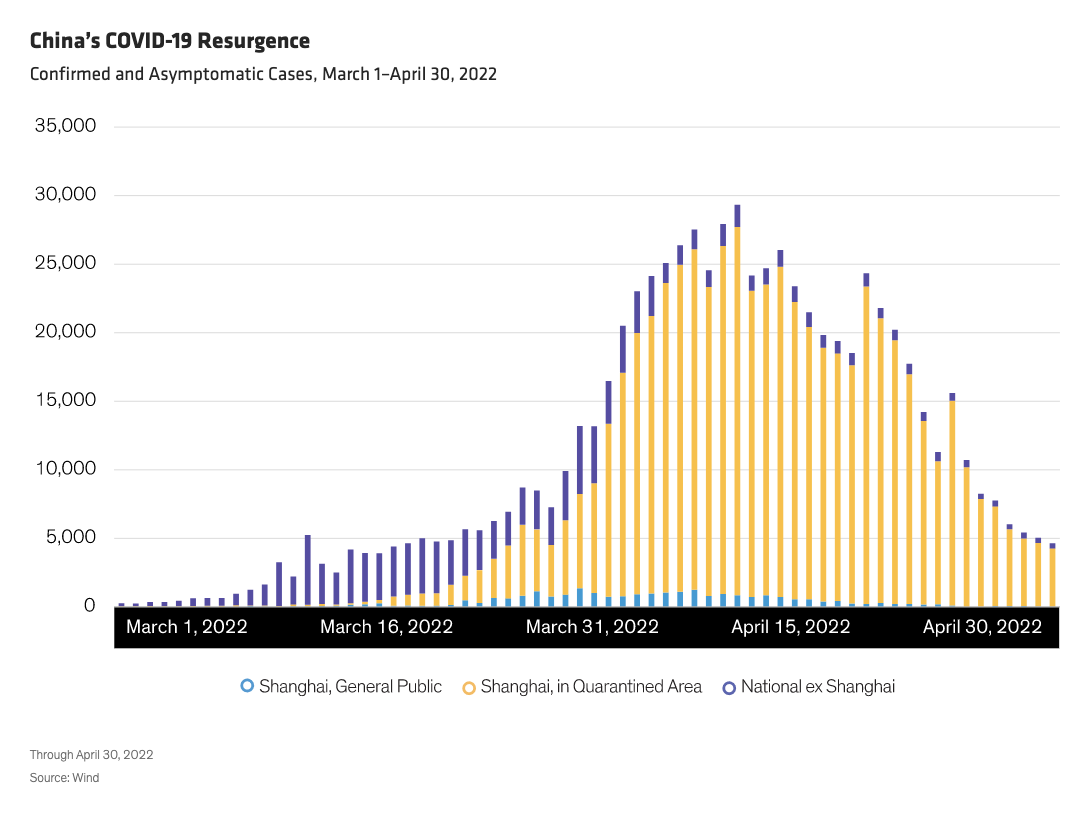
COVID-19’s resurgence in China has cast doubt over the government’s ability to meet its 2022 growth target of around 5.5%, which officials affirmed in March, before the scale of the latest outbreak became clear.
To achieve its mission of reducing inflation, the Fed will keep raising rates, according to Albert Edwards, and won’t stop before the S&P 500 hits 3,000.
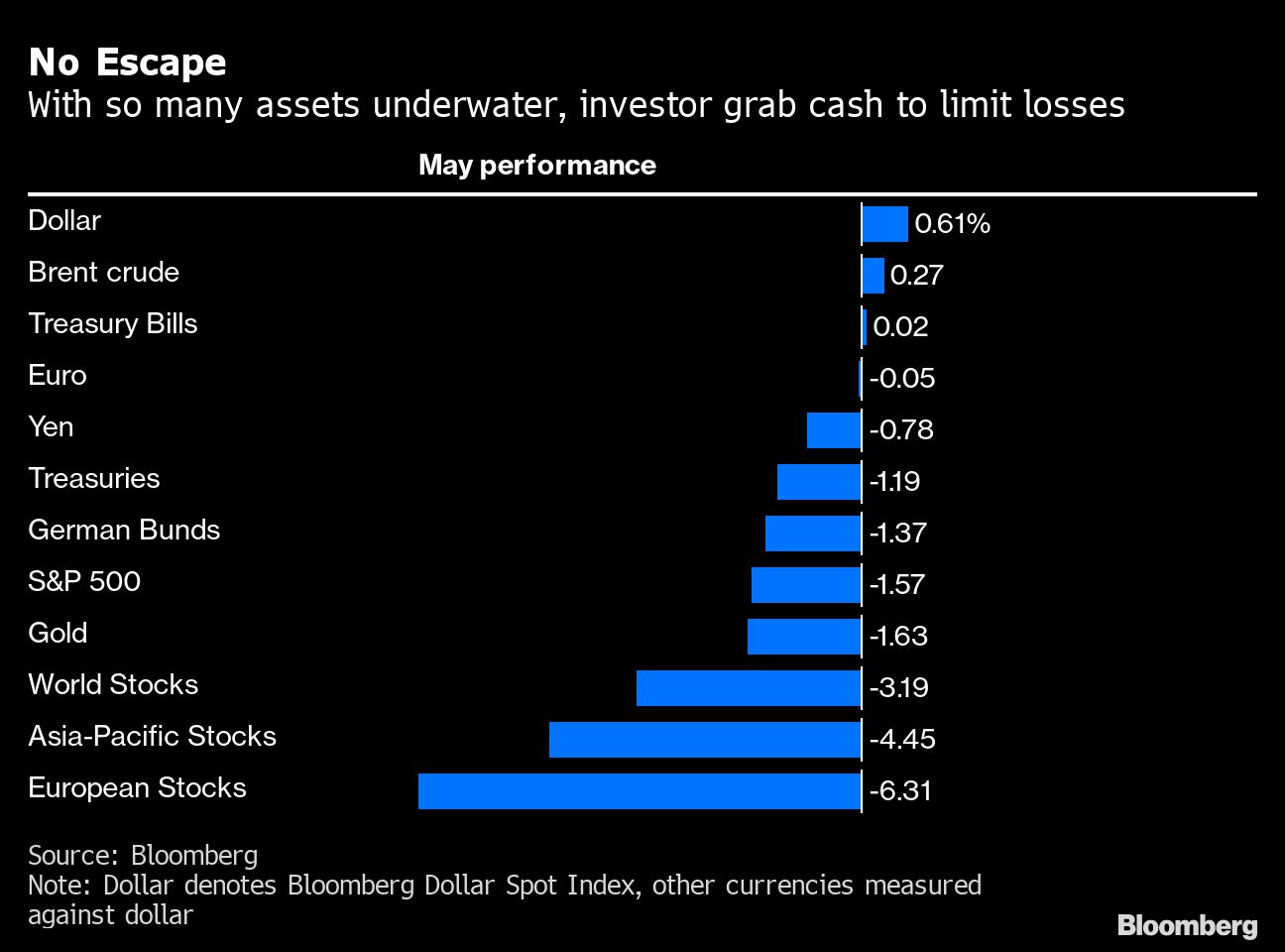
The Bloomberg Dollar Spot Index has trumped all other assets this month, notching a 0.6% advance at a time when stocks and bonds are tumbling. Investors have poured cash into an exchange-traded fund tracking Treasury bills for five weeks, clocking up the biggest inflows since 2020.
Stock markets continued to sink following last week’s recession worries, fueled by the Federal Reserve’s rate decision and the threat to global growth from China’s continued Covid lockdowns. The fear could be seen across asset classes, as traders offloaded equities and other risk assets in favor of cash.
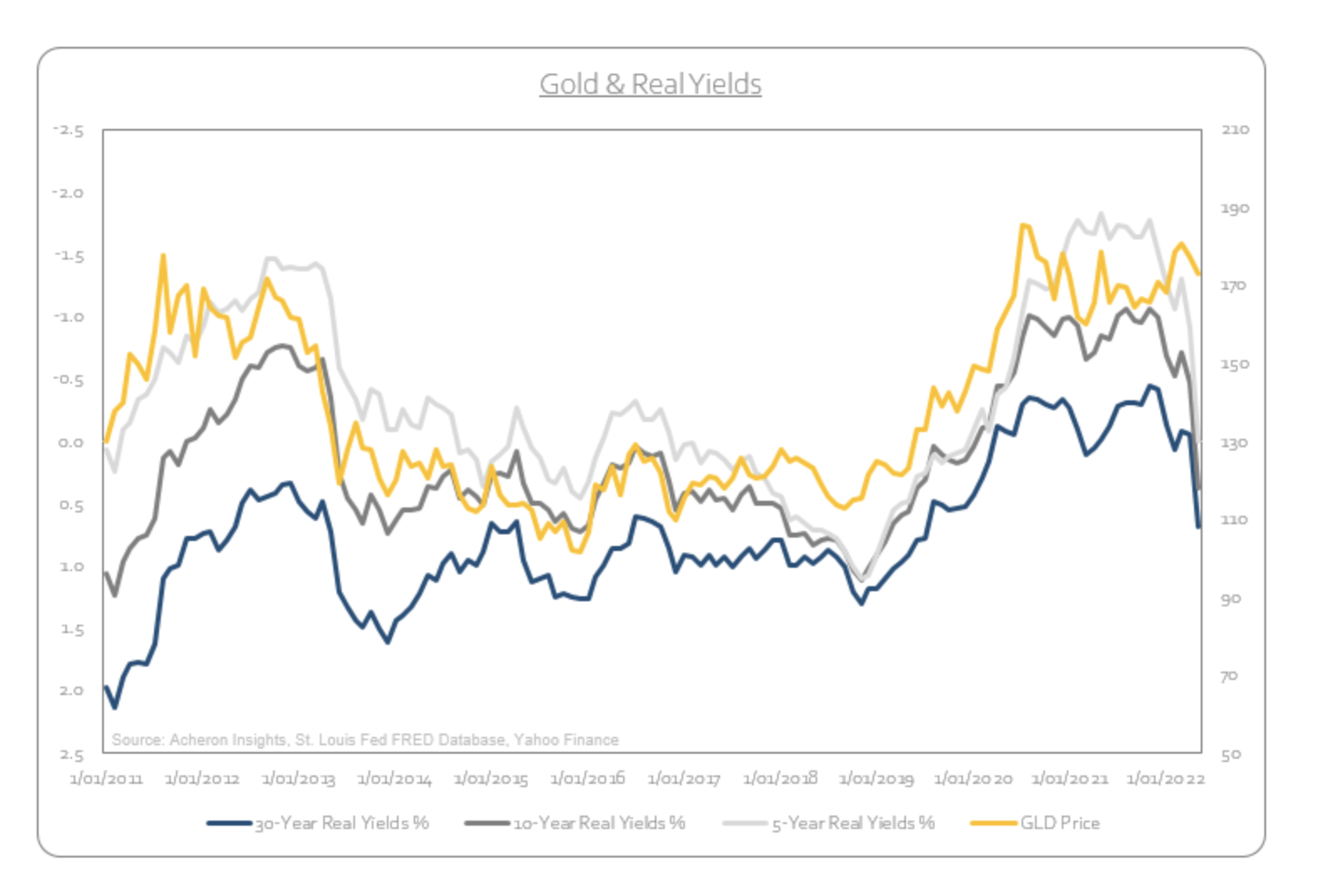
If you’ve been paying attention to prices of gold and gold mining stocks the last few weeks, you probably noticed that they go up when the stock market goes up, and they go down when the stock market goes down, limiting the usefulness of gold as a hedge. This isn’t the first time this has happened.
With the average U.S. mortgage rate above 5% and home prices at record highs, homeownership feels increasingly out of reach, particularly for young, first-time buyers. To make it work, some are renting out rooms or basements and using the extra income to help offset their costs.
With Amazon.com Inc. down 33% this year and Meta Platforms Inc. tumbling over 40%, you might expect, or at least hope, the carnage in Big Tech is nearly over. You would probably be wrong, according to Dan Suzuki, deputy chief investment officer at Richard Bernstein Advisors.
U.S. stocks suffered another day of losses Monday, as the market continued to weigh the risk that the Federal Reserve’s aggressive anti-inflation campaign could push the economy into recession.
Through rising real yields, a slowing economy and poor seasonality, short-term headwinds remain for gold and precious metals.
The historical data has shown that the value premium is smaller for large-cap securities than for small caps. But new research shows that large-cap investors can increase the premium by pursuing an equal-weighted strategy.
Investors often look for ways to enhance income, lower a portfolio’s overall expected volatility or even help manage taxable gains.
Larry Swedroe and Sam Adams’ new book, Your Essential Guide to Sustainable Investing, resolves the confusion in sustainable investing.
Advisor Perspectives has announced its Venerated Voices™ awards for commentaries published in Q1 2022.
Elon Musk, Marc Andreessen and Cathie Wood have spent the past few days on Twitter exchanging ideas about how investing and financial markets work — all in the name of liberating small-fry investors from elite giants that manage and peddle index funds.
First it was a rout in the stay-at-home names that surged in the pandemic. Then speculative software makers with barely any earnings went south. Now the giant technology names whose sway on benchmarks has been decried by bears for years are dragging the market down.
When stocks are plunging, checking your investment accounts is risky business. The market turbulence is jarring for younger investors, who had gotten used to the idea that stocks always go up. And for those with a bit more experience, watching hard-earned money suddenly disappear is a terrible experience.
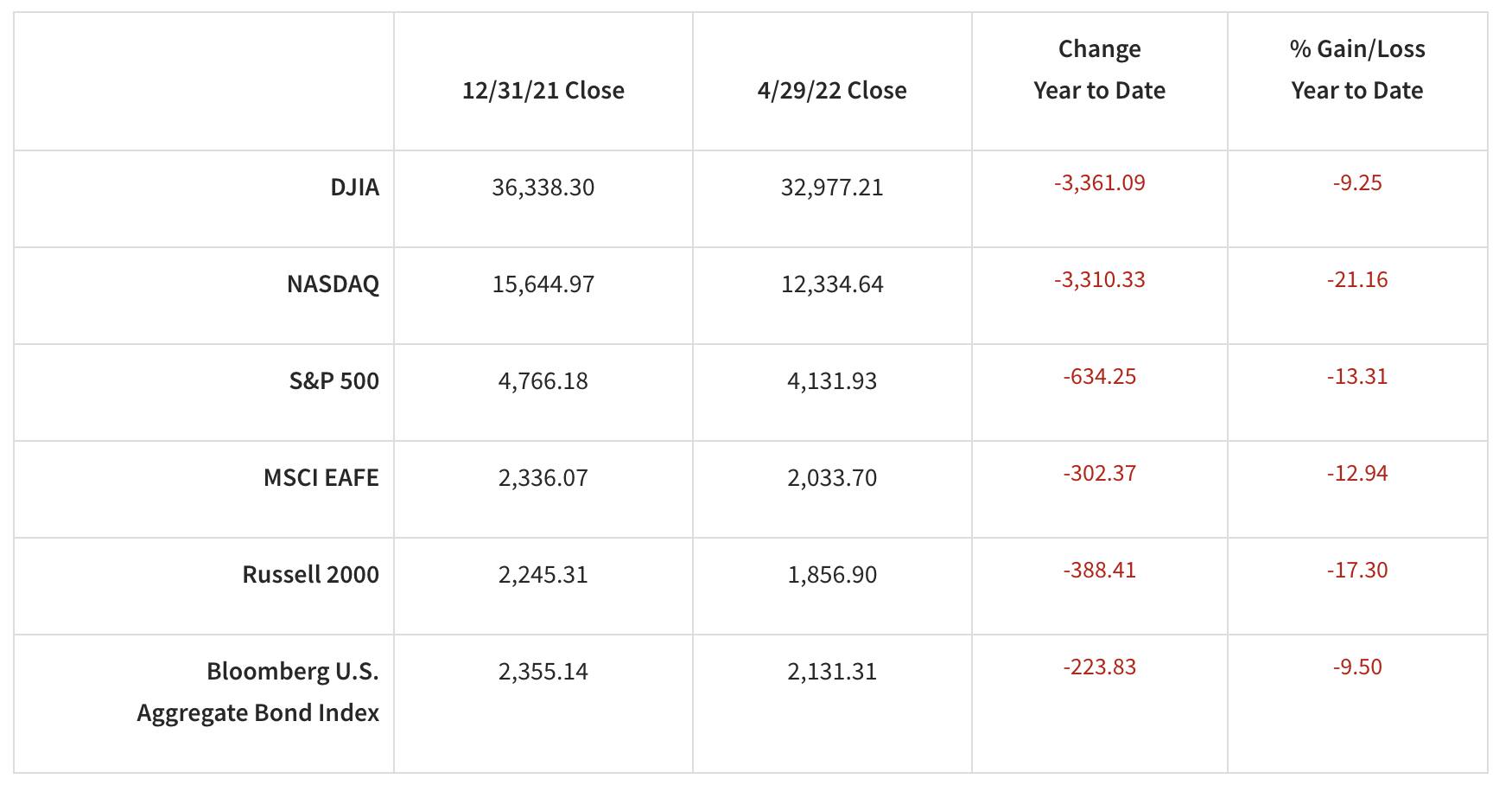
The major market indices finished mixed this week. The Dow Jones Industrial Average lost 0.63%. The S&P 500 Stock Index rose 0.40%, while the Nasdaq Composite fell 1.02%. The Russell 2000 small capitalization index lost 0.28% this week.
I borrowed this letter’s “Soft Now, Hard Later” headline from Dave Rosenberg. It was the title of his leadoff SIC presentation, for reasons I’ll explain.
The nature of the economy is that there are always causes for concern in strong markets, just as there are reasons for optimism in weaker ones.
Investor interest and participation in private markets continues to grow.
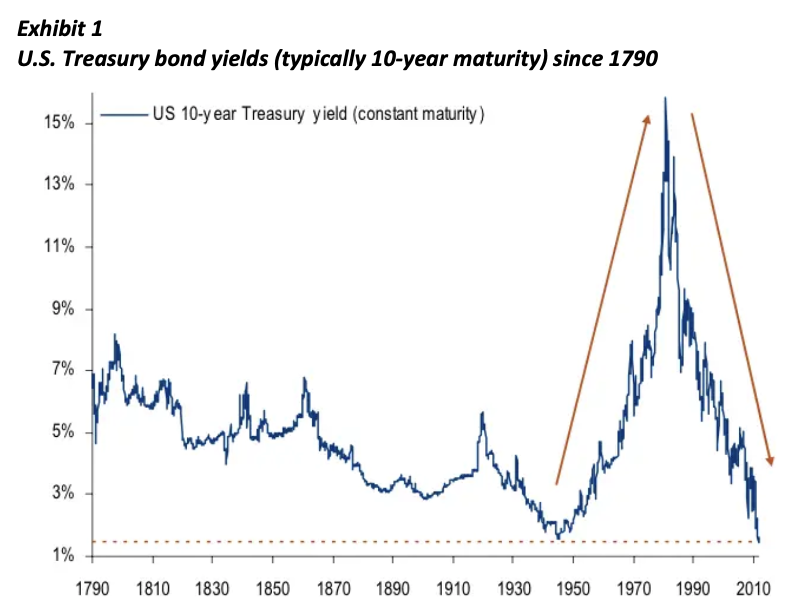
A bull market in bonds is set to return with a vengeance as the Fed once again makes a policy mistake.
The ocean shipping industry, among the world’s biggest polluters, is asking a key regulator to overhaul its emissions directives so that all carriers are working off the same rulebook as they make the expensive changes needed to cut output of harmful carbons.
The Federal Reserve has finally started to get real. It increased the policy rate target Wednesday by 50 basis points. More rate hikes are expected as the Fed tries to bring down inflation. But will this be enough?
Higher interest rates from the Federal Reserve's efforts to get a handle on inflation have contributed to the stock market's worst start to the year since 1939. That's bad news for investors, but the market signal being sent to corporate America is good news on the inflation front.
We assess risks and potential opportunities for multi-asset portfolios amid late-cycle dynamics, higher inflation, rising interest rates, and geopolitical uncertainty.
ICYMI: In this roundup, we’re highlighting the five most popular pieces of content from the previous week.
In the first quarter of 2022, financial markets abruptly reversed course and volatility increased significantly.
The Milken Institute Global Conference continues in Beverly Hills, California, bringing together investors, dealmakers, power brokers and celebrities to discuss markets and megatrends. Academics, sports stars, entrepreneurs and politicians among the thousands coming to the Beverly Hilton for the event, which runs through Wednesday.
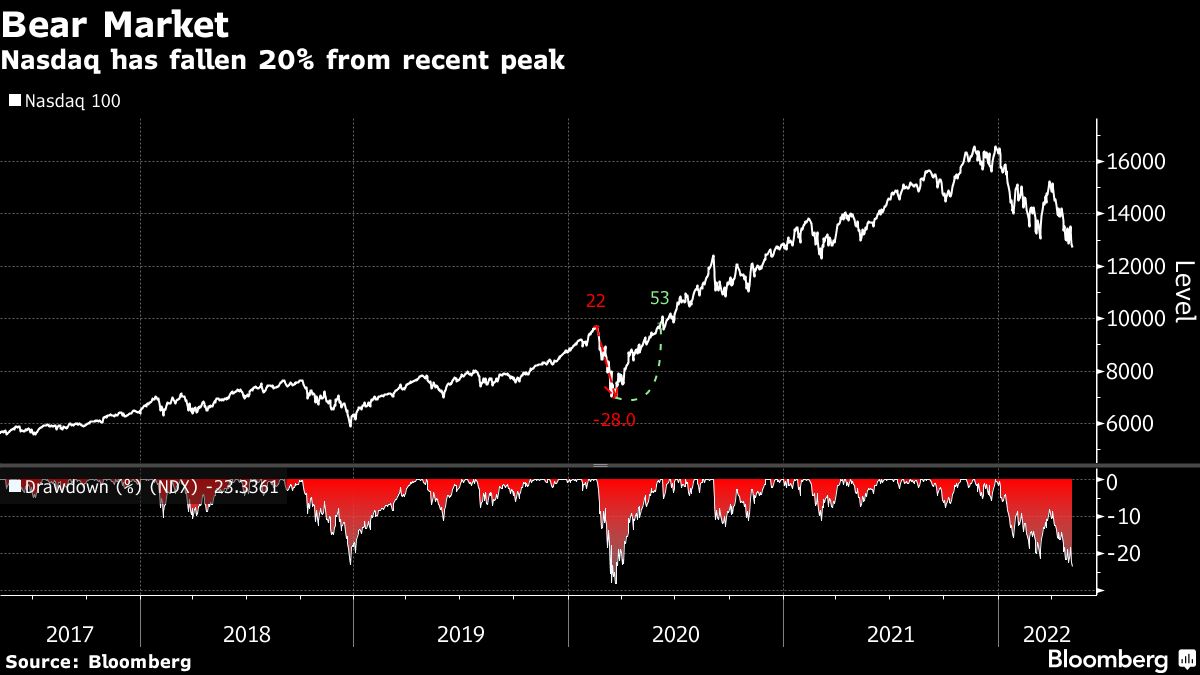
There are no shortage of bears making similar claims these days. Between the Russia-Ukraine war, the aggressive tightening by the Federal Reserve, soaring inflation and Covid lockdowns in China, there are plenty things to worry about. The S&P 500 has already lost 12% this year, while the Nasdaq Composite cratered into a bear market after sliding more than 20% from its peak in November. Key bond benchmarks are down more than 10%.
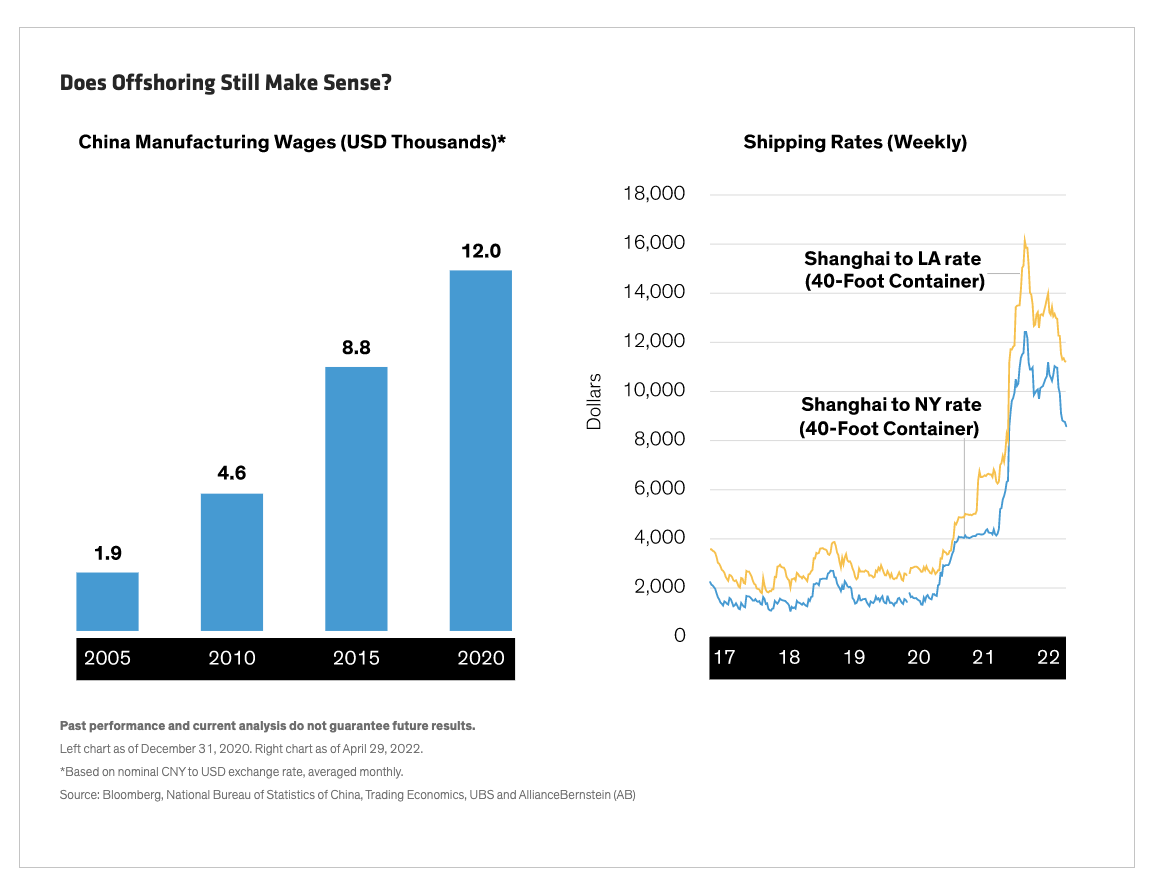
Many companies are rethinking supply chains amid disruptions from the war in Ukraine and the pandemic.
Being competitive with salaries, providing flexibility in the workplace with a work-life balance, providing stock and profit sharing, and giving employees the environment they desire are the traditional keys to retaining great team members. But that’s not enough.
You will wear a therapist hat on top of your wealth manager cap.
If you want to blame one company for the surge in inflation over the past year, blame Amazon. When e-commerce demand leaped at the onset of the pandemic in 2020, the retailer decided to expand capacity to meet higher growth forecasts.
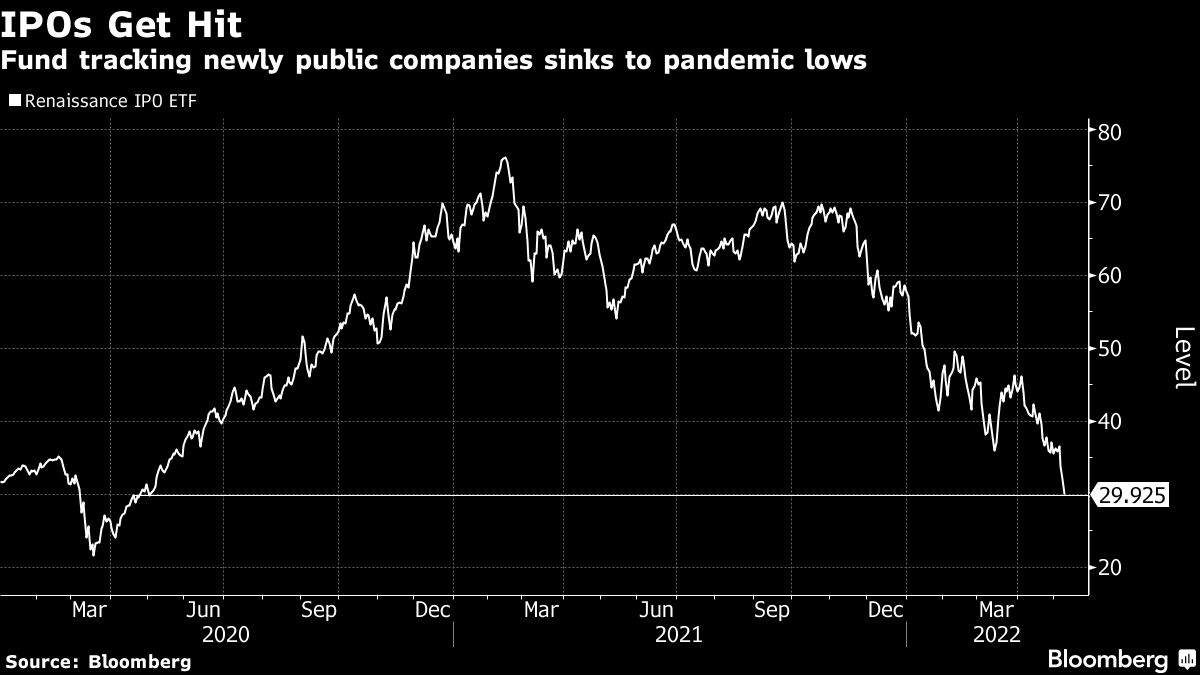
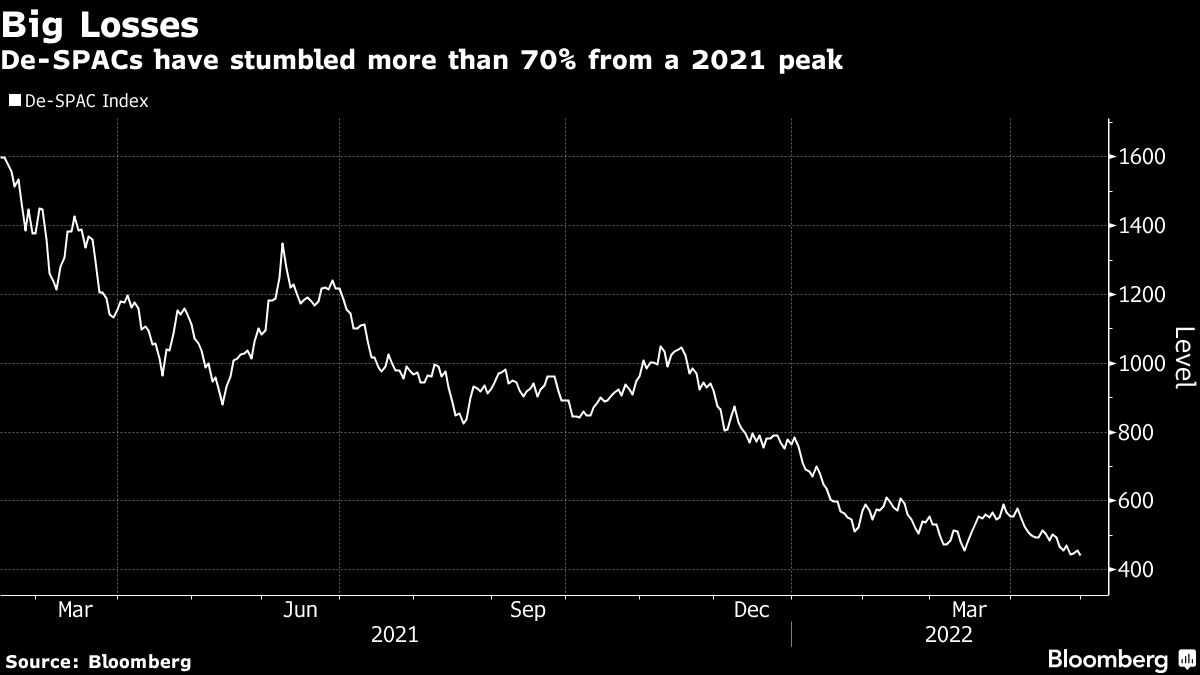
Judging by the 70% beating that former SPACs have taken since they peaked early last year, a lot of investors are leery of blank-check companies -- which is why Enrique Abeyta likes some of them.
Both the S&P 500 and the Nasdaq 100 have fallen for four consecutive weeks, and the S&P’s 8.8% drop last month marked its worst April performance since 1970. The tech-heavy Nasdaq slumped 13% for its worst month since the financial crisis in 2008.
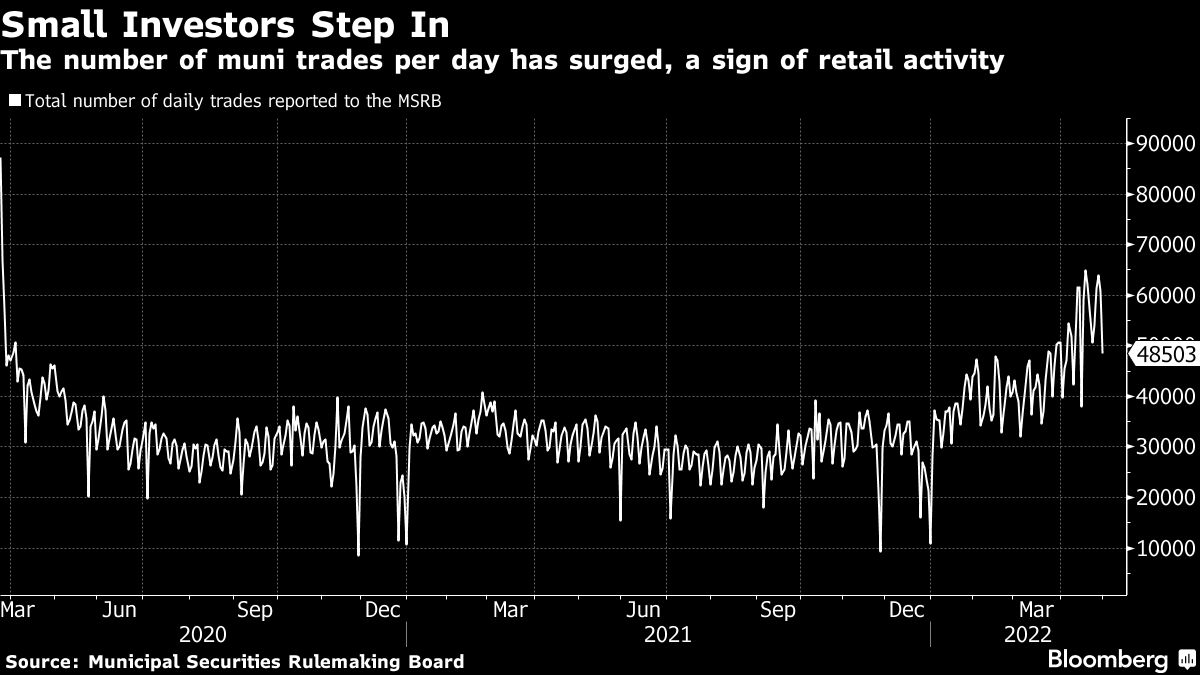
The number of daily trades surpassed 60,000 on a few days in late April, levels last seen during the 2020 pandemic-induced selloff. In March, that figure averaged around 42,600, according to trade data from the Municipal Securities Rulemaking Board.
Regular readers of WisdomTree blogs know that we are firm believers in both asset class and risk factor diversification when building our Model Portfolios.
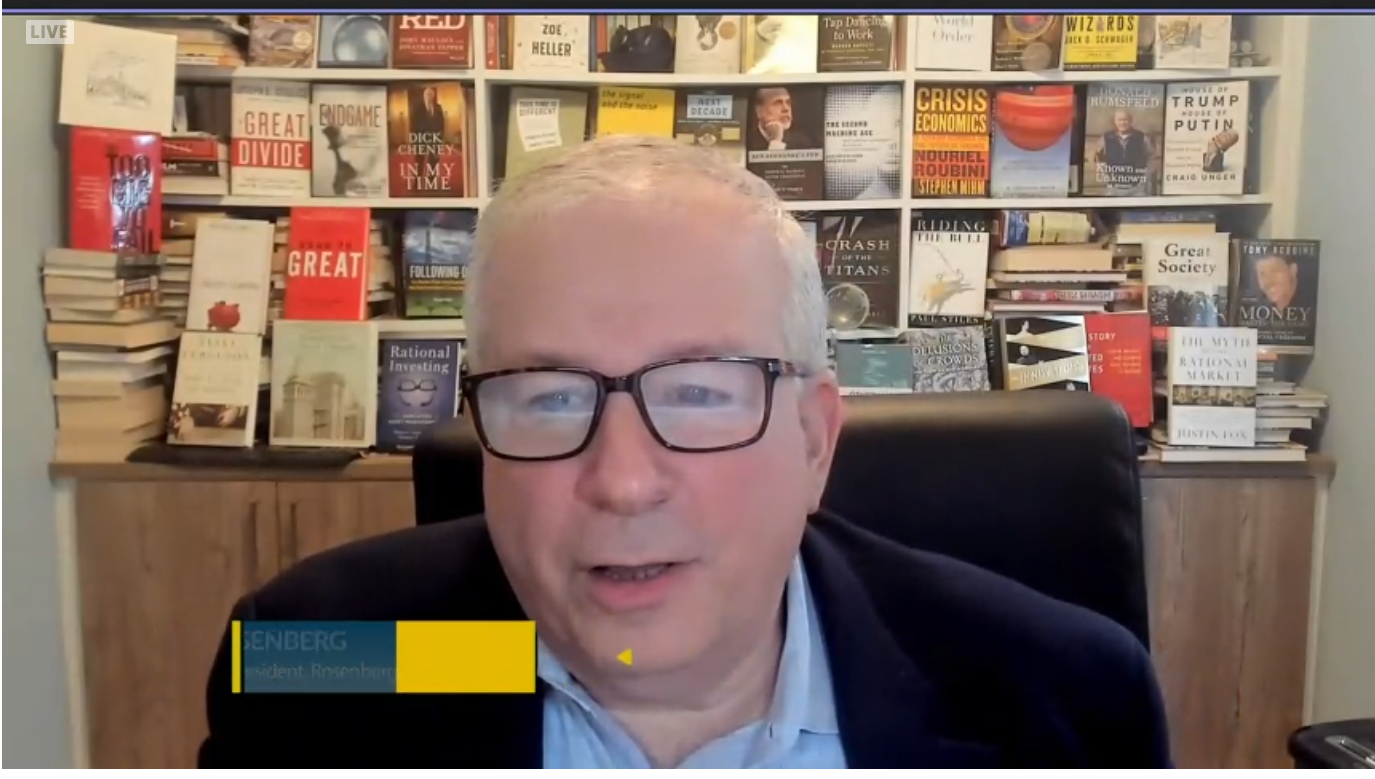
The U.S. economy will be in recession in the second half of this year, according to David Rosenberg. Equity Investors should brace for a 30% bear market decline.
In an ambitious new book, the economist Andrew Smithers rejects core “Newtonian” principles of economics, replacing them with radical departures from conventional wisdom. But as I will explain, some of Smithers’ theories fail meet the standard of empirical verification.
Here is the just released our 2022 T3/Inside Information Software Survey. It ranks, by market share, the leading software solutions in advisory-firm tech stacks in 35 different categories.
Forward-thinking advisors have been searching for and employing analytics very carefully. This series will explore some of these metrics, along with their benefits and pitfalls. Today’s topic is capital markets assumptions.
Investors seeking higher yields and relatively low risk, and are willing to sacrifice liquidity, will find attractive opportunities in interval funds that invest in senior secured, middle-market loans, such as those offered by Cliffwater.