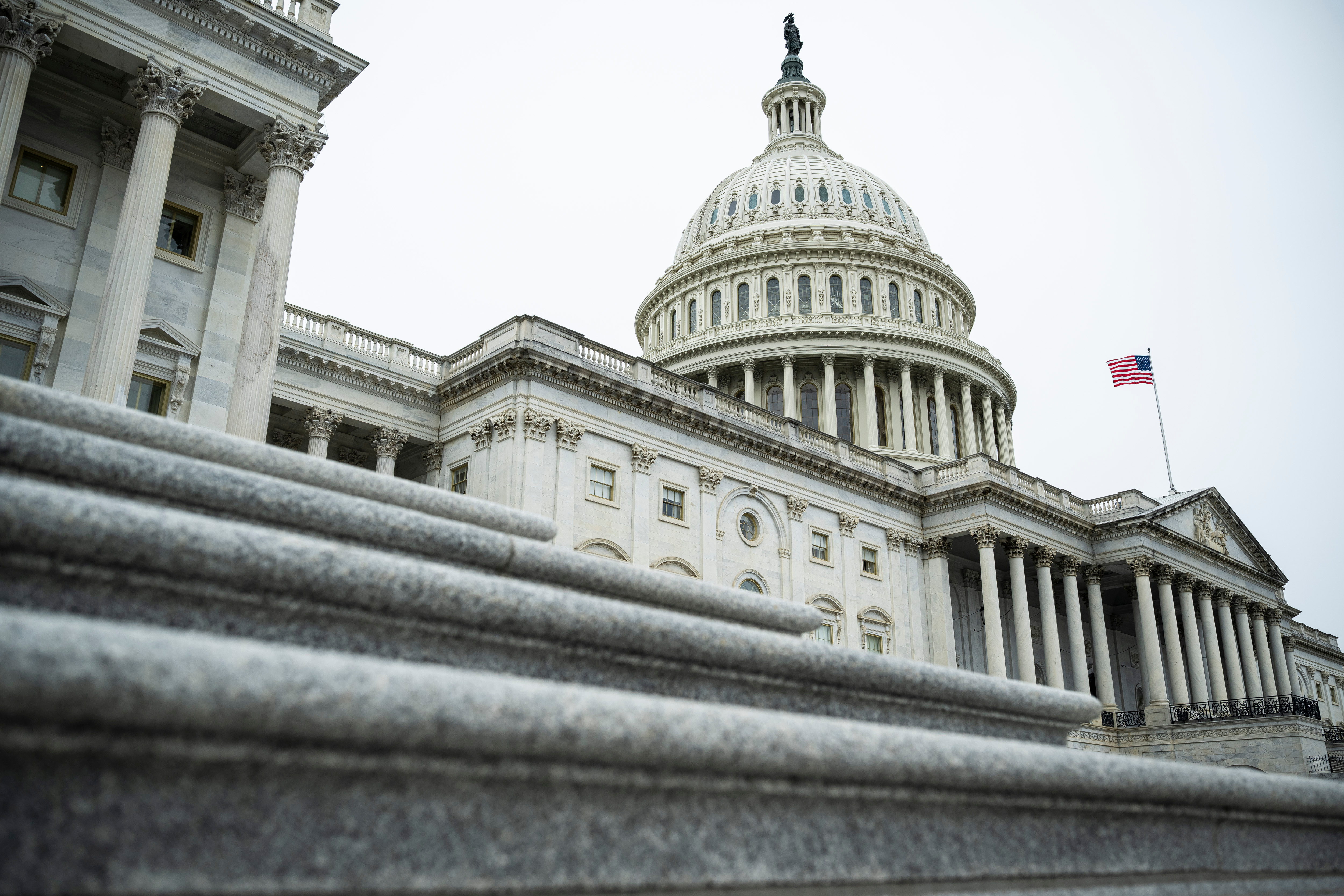
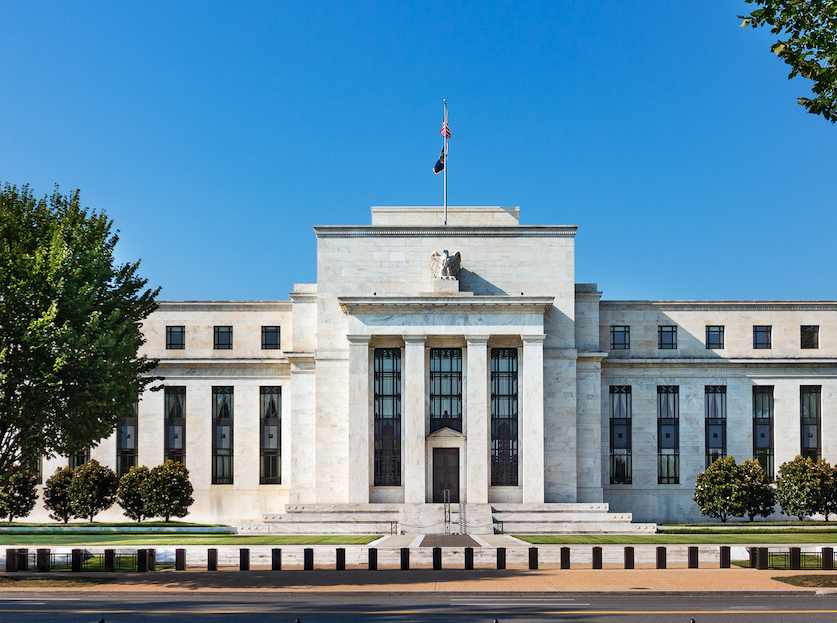
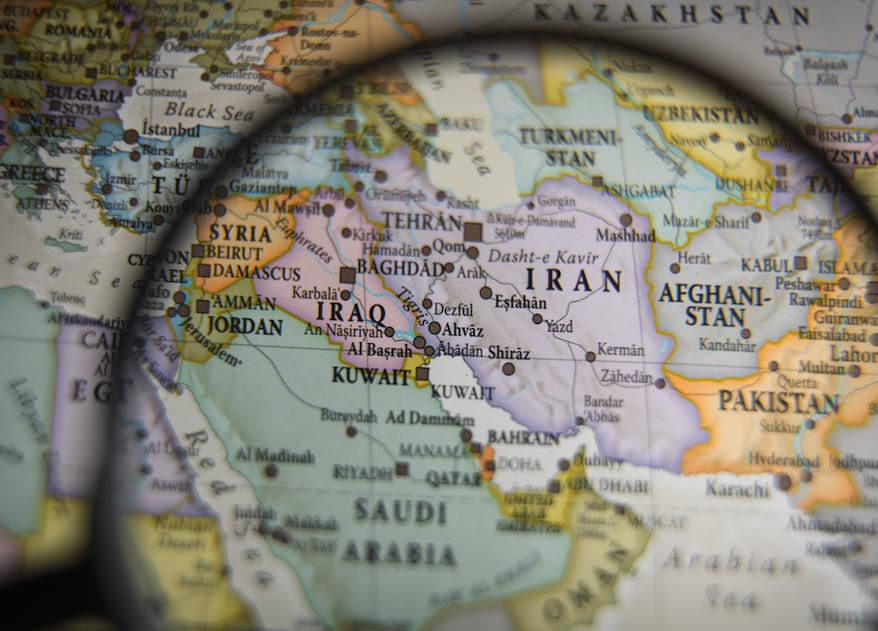
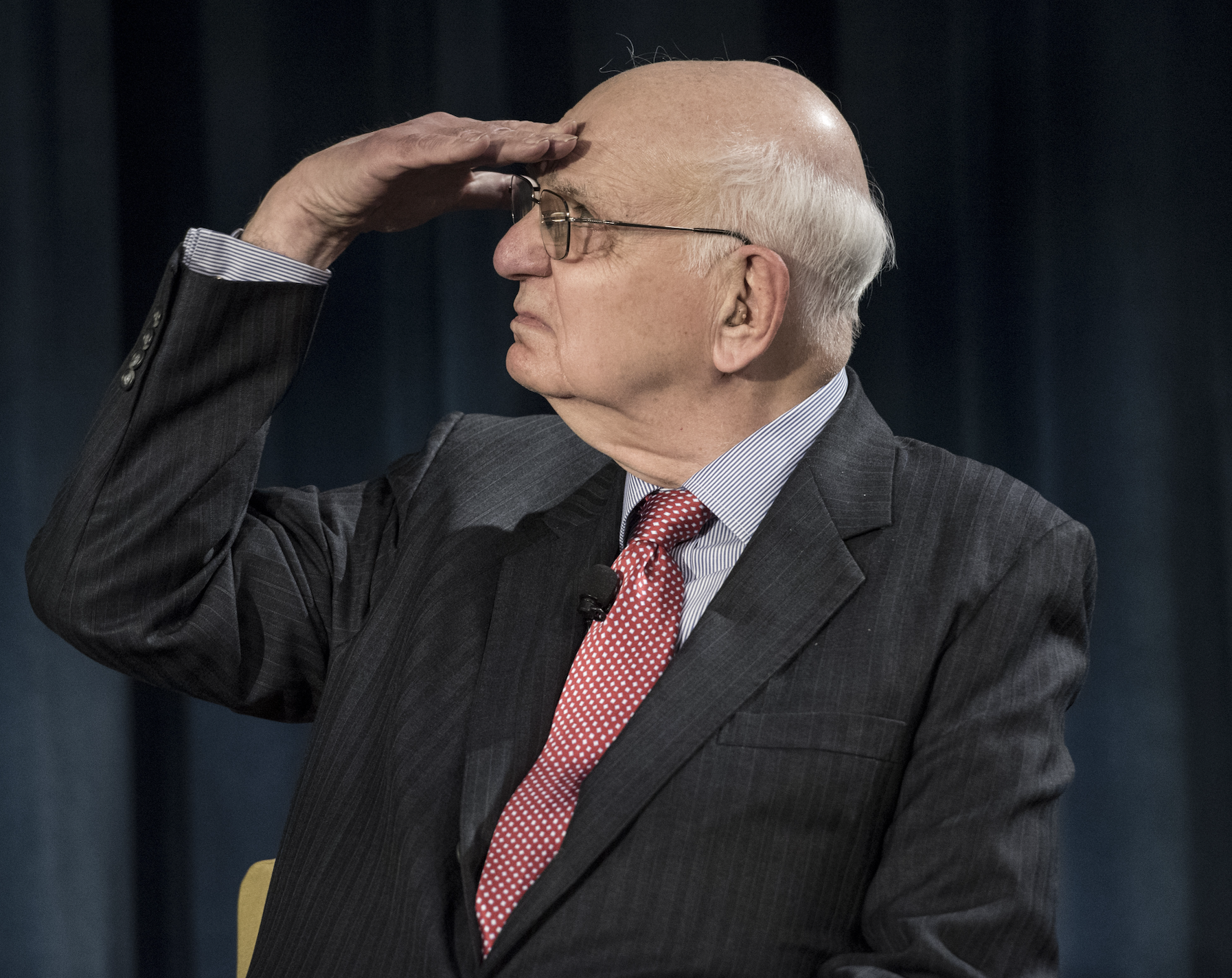
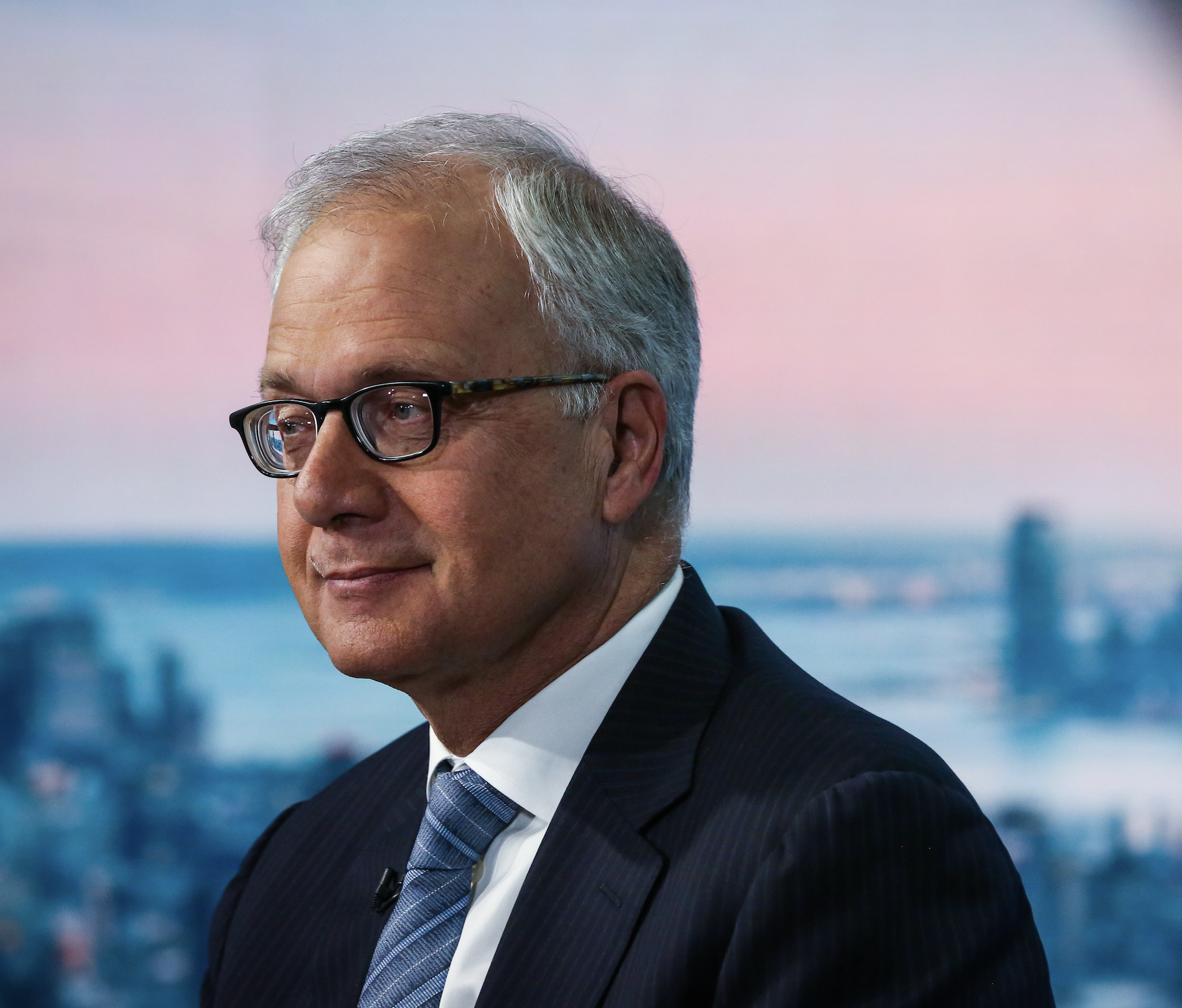
Federal Reserve officials left interest rates unchanged and continued to expect one rate cut this year as they acknowledged increased uncertainty due to war in the Middle East.
The advisors who build the strongest client relationships aren't necessarily the ones with the most resources. They're the ones who help clients feel the value of those resources consistently. You have more to offer your clients than you're probably telling them. Be bold. Tell the story.
If someone has deeply entrenched views — either to the right or to the left — they are not likely to change their minds because they listened to you. You could definitely offer some education here by talking about the long-term impacts of this war.
What moves clients — what really motivates them — is insight. Insight into their fears, their hopes, their priorities. Numbers are important. Reports are necessary. But insight is where you create impact. Insight is what turns hesitation into action, anxiety into confidence, and confusion into clarity.
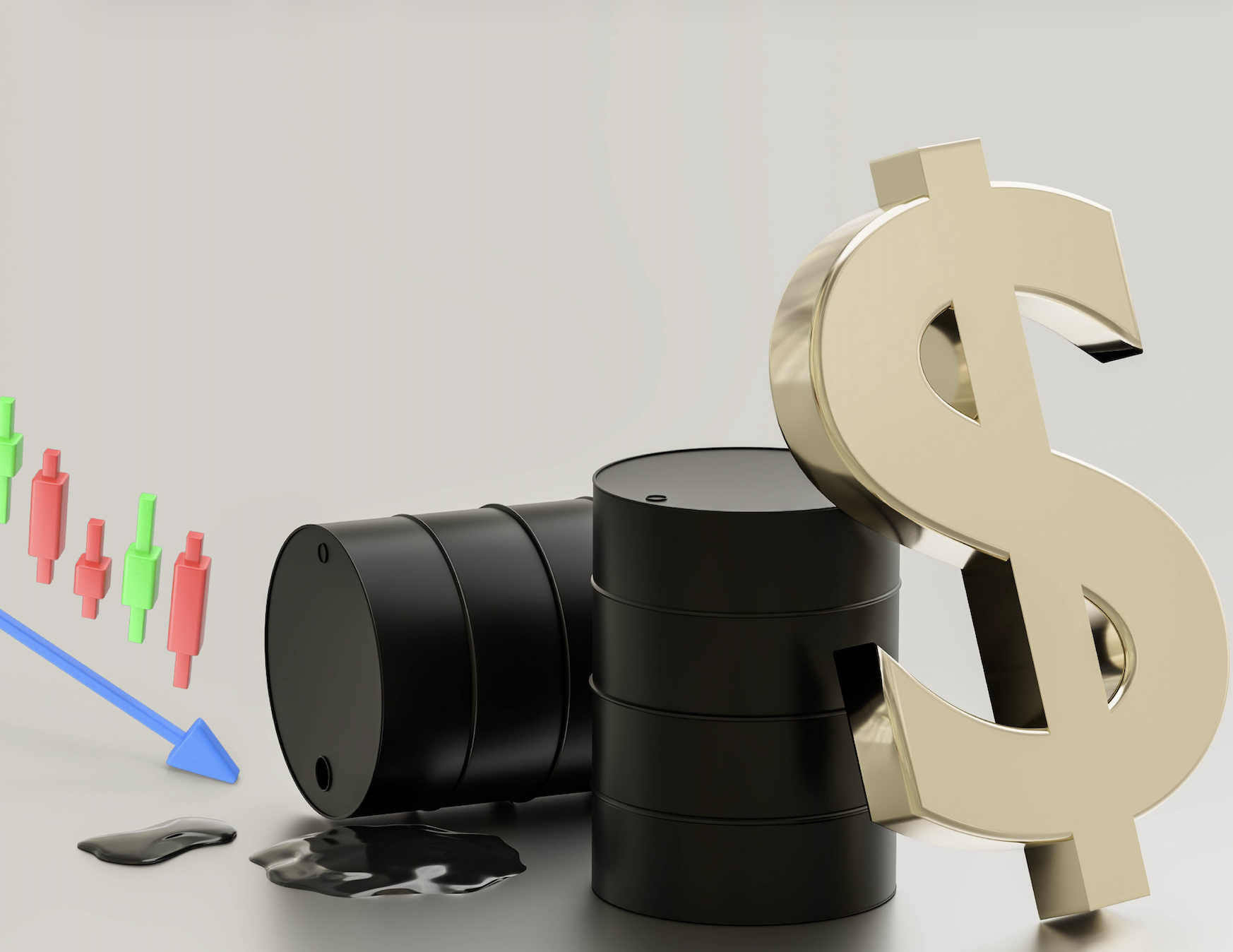
The recent 30% surge in crude oil prices has led many observers—drawing on memories of past energy crises—to immediately warn of recession. That may ultimately prove correct, but we’re cautious about narrative-driven, back-of-the-envelope predictions.
The European Union has unveiled a red-tape-cutting plan dubbed “EU Inc.” to boost the emergence of companies that could compete on the world stage with US and Chinese rivals.
There’s been no love lost between builders and buyers in the entry-level housing market over the past five years. Good news for one was invariably bad news for the other. But we finally seem to be hitting a sweet spot where both sides can be cautiously optimistic.
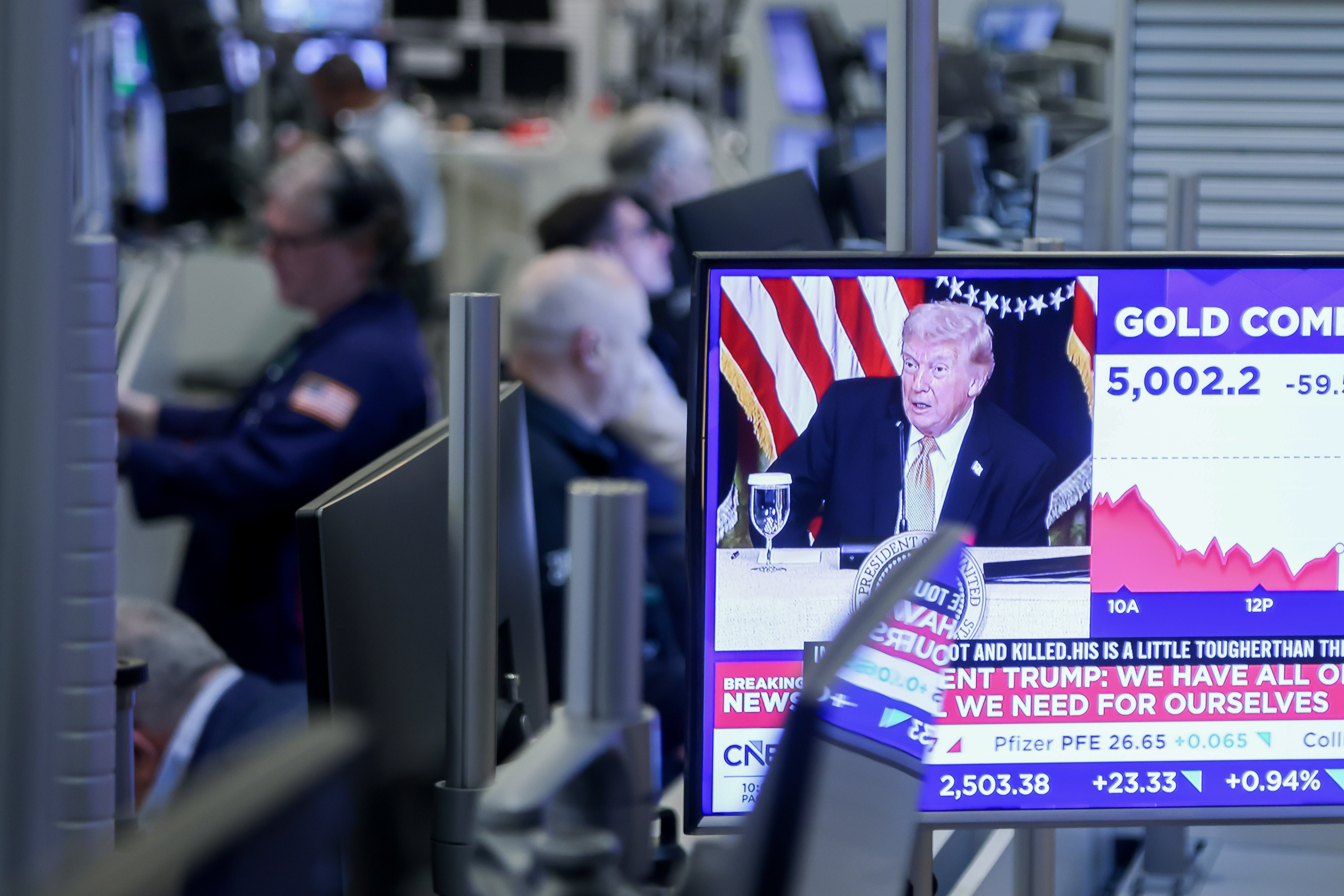
It’s been a volatile stretch for US equities as Wall Street tries to wrap its arms around the war in Iran. But with the fighting now in its third week, investors are becoming more sanguine about the stock market as signs emerge that the worst may be over.
US stock futures extend a two-day rally as investors remain cautiously optimistic amid rising energy prices and before the Federal Reserve’s interest-rate decision.
It took a war in Iran to reveal the full extent of billionaire Mukesh Ambani’s sway over the White House — and his centrality to mending the frayed US-India bilateral relationship.
In this commentary, I’m not going to try to predict any outcomes or long-term effects but rather want to cover how markets have reacted so far and highlight some opportunities that have been created.
Investigation of Federal Reserve chair hits an obstacle, while the Department of Homeland Security remains shut down amid funding standoff.
As has been the case from day one when the first airstrikes began, the key factor in assessing economic and market impact is the duration of the effective Strait of Hormuz closure and resulting effects on prices of energy and other commodities. Prediction markets are split on whether the conflict ends by the end of May.
In this month’s Allocation Views, healthy earnings growth is disguising a bifurcation that has resulted in particularly challenging earnings expectations for large-cap growth stocks in 2026.
If you have been thinking about a move, the chaos outside your window is not a reason to stop. It might be the best reason to start.
Five techniques can help human experts tame hallucinations and make models more effective.
The Qualified Opportunity Zone (QOZ) program is entering a pivotal transition period, with some legacy incentives expiring this year and a redesigned framework set to take effect next year.
Comparing business-cycle-related primary trends of the falling 2-year Treasury yield shows that this is the slowest business cycle since WWII. I argue the slowness of this cycle is evidence of the 6+% average pro-cyclical fiscal deficit over the last three and a half years.
For decades, the 60/40 portfolio was the gold standard for balanced investing. However, as correlations between stocks and bonds fluctuate and traditional safe havens face new pressures, advisors are looking toward alternatives to increase portfolio efficiency.
With 2026 now in full swing, it’s time to announce the global podium for robotics — brought to you by the ROBO Global Robotics and Automation Index (ROBO).
Understanding how traditional RIA growth models have evolved is essential for advisors making deliberate decisions about the structure, scale, and long-term direction of their firms.
Money is one of the most emotionally charged topics there is. It can evoke deep emotions like fear, shame, and anger. The good news is that couples can learn to talk about money without starting a fight. Here are some strategies that can help.
Individuals who haven’t yet taken the plunge into full-time entrepreneurial pursuits, are often surprised by the onslaught of new costs they’ll be responsible for when making the transition from W-2 salaried employee to self-employed, one advisor shares.
JPMorgan Chase & Co. is leading a push by Wall Street banks to offload risky loans for acquisitions. The latest is a $2 billion debt sale to finance the purchase of asset manager Janus Henderson Group Plc by Nelson Peltz’s Trian Fund Management and General Catalyst.
Every financial crisis has a moment — usually identified only in retrospect — when an obscure product intended to mitigate risk spreads through what author Rick Bookstaber called “tightly coupled” interconnections to cause widespread damage.
Morgan Stanley is sticking with a forecast that sees the Federal Reserve resuming interest rates cuts in June and delivering another reduction in September, even as soaring oil prices prompt traders to curb bets for how much policymakers will lower borrowing costs this year.
US stock futures rose Tuesday as investors buy the dip, signaling confidence in the markets even as Iran war tensions escalate.
The Federal Reserve is about to give America’s biggest lenders an extra $200 billion of capital to play with. Later this week, US regulators will launch fresh proposals to update and, in some ways, loosen US capital rules that will fuel stock buybacks, lending and trading.
The word 'equilibrium' is an invitation to recognize that nothing exists by itself, alone. Subject and object are two sides of the same coin – their interaction is a single phenomenon. That perspective can offer a great deal of insight about economics, financial markets, speculative bubbles, passive investing, and nearly everything in existence.
Iran-related geopolitical risk has boosted stock volatility, especially in sectors like Energy. Uncertainty remains high and there are a range of scenarios for how this conflict could be resolved and how it might affect economic conditions and markets.
This past weekend, Adam Taggart and I discussed what happens to Treasury bond yields when the United States enters a military conflict. The conventional wisdom is reflexive and tidy.
When geopolitical tensions flare up, the natural assumption is that gold should immediately surge. War breaks out, markets panic… and the metal rallies as investors rush to safety.
Skyrocketing oil prices were accompanied by mixed inflation readings last week. The headline Consumer Price Index (CPI) inflation rate held steady in February at 2.4 percent annually, while core CPI, which excludes more volatile food and energy costs, rose a modest 0.22 percent for the month.
The market ended last week with a more cautious tone as rising oil and the widening Middle East conflict bring a fresh layer of uncertainty. I could see the markets experiencing a 10% correction from the recent highs. We are not anticipating a major decline for the S&P 500, but the mood has clearly changed.
The whole world will feel the consequences of this conflict.
GMO has posted a new 7-Year asset class forecast as of February 28, 2026.
Despite less reliance on oil, higher oil prices will add pressure to inflation. If energy costs stay elevated, inflation could rise again, potentially delaying interest rate cuts from the Federal Reserve (Fed). Geopolitical uncertainty remains a risk. Conflicts in the Middle East could disrupt supply chains and increase price volatility in key commodities like oil.
In the aftermath of the first Internet stock-market bubble of the late 1990s the economy went into a relatively shallow recession starting in 2001. That recession was precipitated by a tight monetary policy, with the Federal Reserve setting short-term interest rates consistently above the pace of nominal GDP growth (real GDP growth plus inflation).;
International equities — non-U.S. equities — brought in a record $60 billion in January. Investors are looking abroad for their investment opportunities amid domestic uncertainty like significant concentration risk, Fed questions, and policy concerns.
The Procure Space ETF (UFO) has entered 2026 with significant momentum as investor enthusiasm around the commercialization of space continues to build.
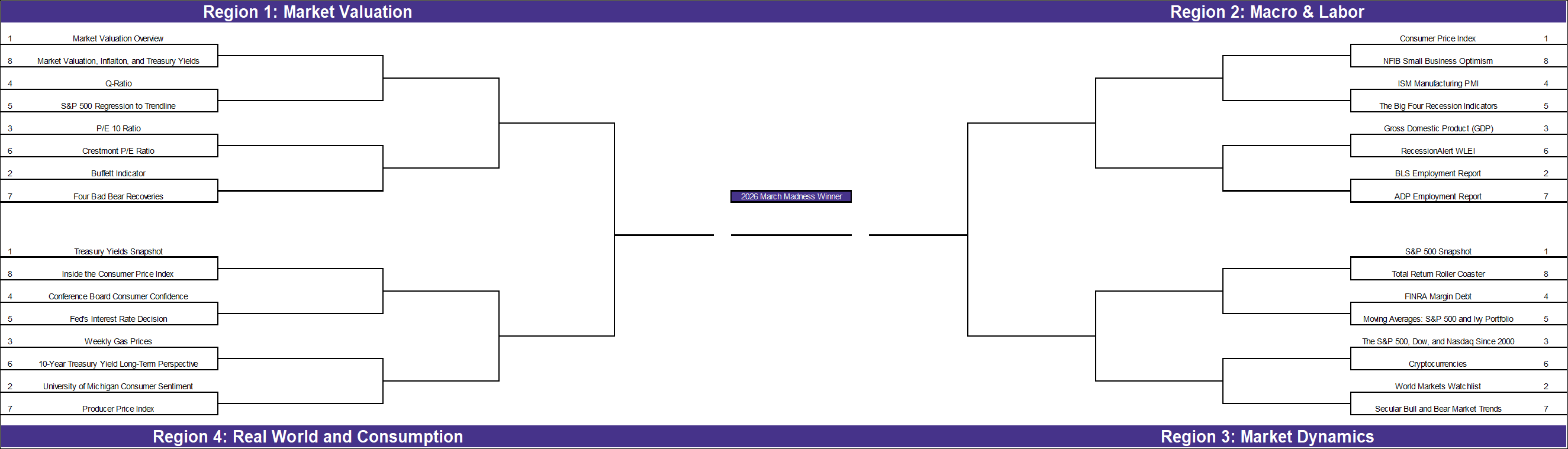
With the NCAA tournament beginning in just a few days, we’ve applied the bracket format to our own research. While economic theory often dictates what should be most important to investors, our reader engagement reveals which topics truly commanded investor attention over the past year.
It’s human instinct to want to know what the future holds and to protect and grow our nest egg based on our perceived knowledge of the future. It takes courage to ignore those economic forecasts from brilliant, well-meaning experts with very impressive credentials. Their logic is always compelling, but investing based on that logic can be hazardous to your wealth.
In our recent article, "The Value Rotation Illusion," we explained that in the recent rotation from growth to value. In this follow-up, we take the three-tier earnings valuation framework we introduced in the previous article a step further to uncover true value stocks.
In this article, I present a framework for investment models that integrates personal risk tolerance with academic lifetime investing theory that guides risk as the investor ages.
There has been so much data released in the past week it’s hard to know where to begin. Much of the data is inconclusive or not helpful, but it is not as bad as many click-bait pundits suggest as they take each data point and extrapolate it into the future.
The private equity (PE) business is huge. When I say huge, I mean $4.4 trillion huge. However, as we warned then, the risks have come home to roost. The private equity and private credit industry is heading into a gut-wrenching period of consolidation.
The scariest portmanteau in macroeconomics is making a comeback in market discourse: stagflation.
For years it was a punch line. Now the Laffer Curve — which purports to show that tax cuts can increase revenue — is making a kind of comeback.
Nvidia Corp. executives will likely need to deliver a surprise at the chipmaker’s annual AI conference that begins Monday to spark a rally in the moribund stock.
The mood in the stock market by the end of last week was the type of stuff that contrarian investors dream about.