Sophisticated email marketing requires automation: welcome sequences for new subscribers, nurture campaigns based on content interests, and reengagement sequences for inactive prospects.
The real value of AI isn’t in doing the marketing for you; it’s in making the process more efficient. Tasks that once required significant time and effort can be simplified and streamlined.
You might want to think about what I often call “internal PR”. Your leaders are focused on other things and are likely unaware of all that is happening directly with their advisors — and definitely with clients.
Amazon.com Inc. has blown the primary market for new debt wide open just days after market volatility, sparked by soaring-then-plummeting oil prices, all but halted issuance. Its mega offering is priced cheaply, for a reason: Too much of a good thing is still too much.
Hedge fund positioning across US equities has created a setup for stocks to rip higher after their recent wobble, according to Goldman Sachs Group Inc.’s trading desk.
After months of heavy selling on fears of artificial-intelligence disruption, software stocks appear to have found a bottom — at least for now.
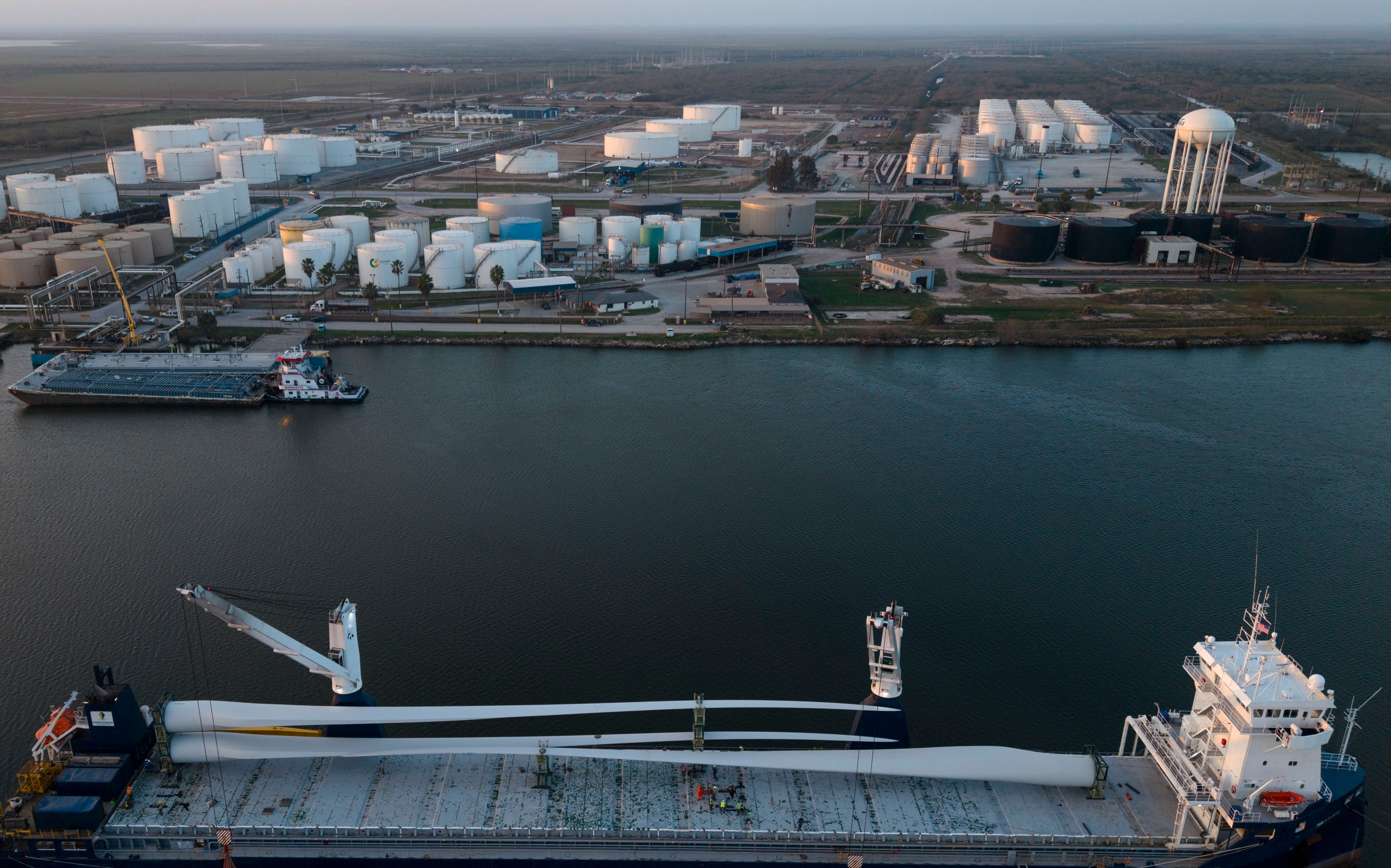
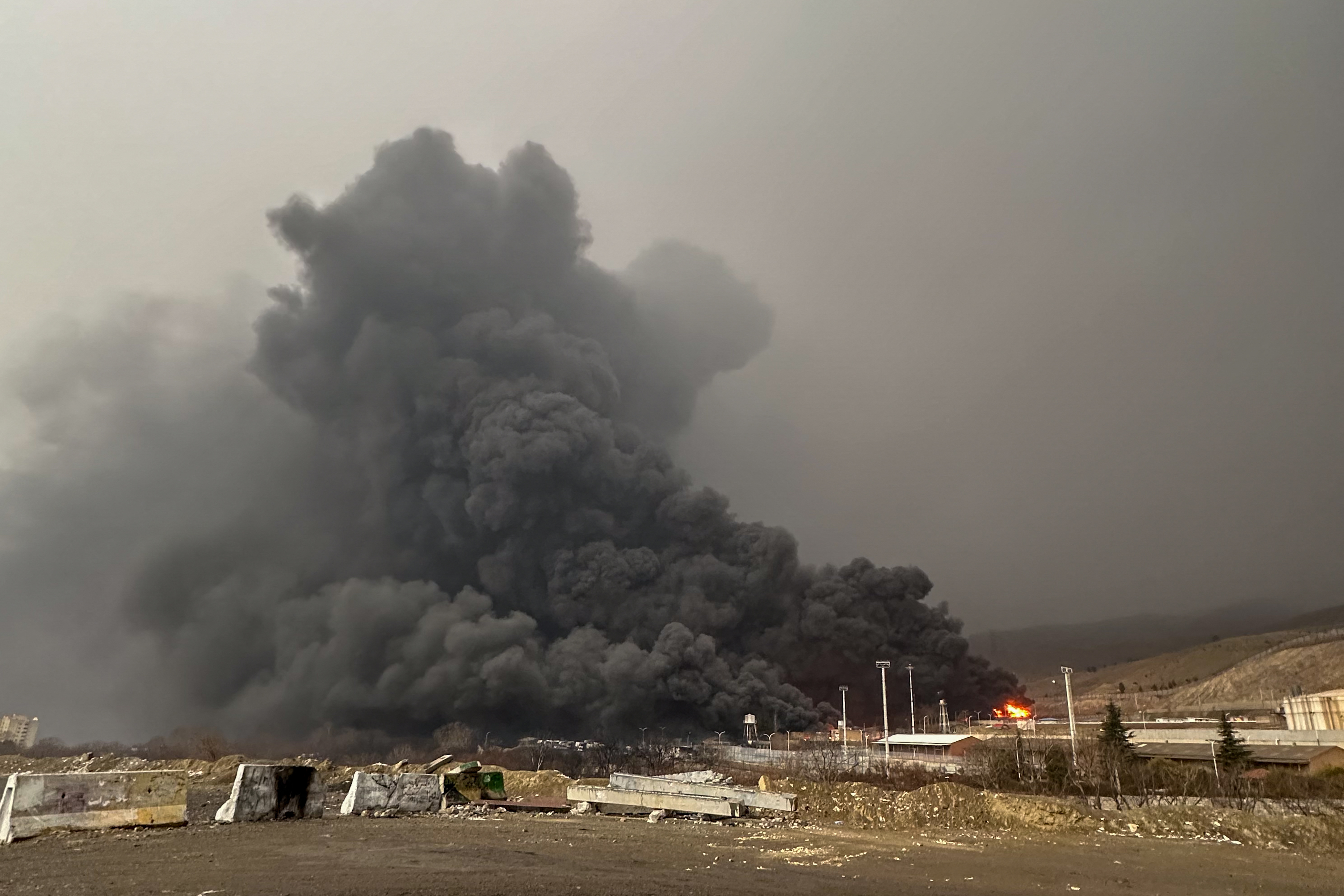
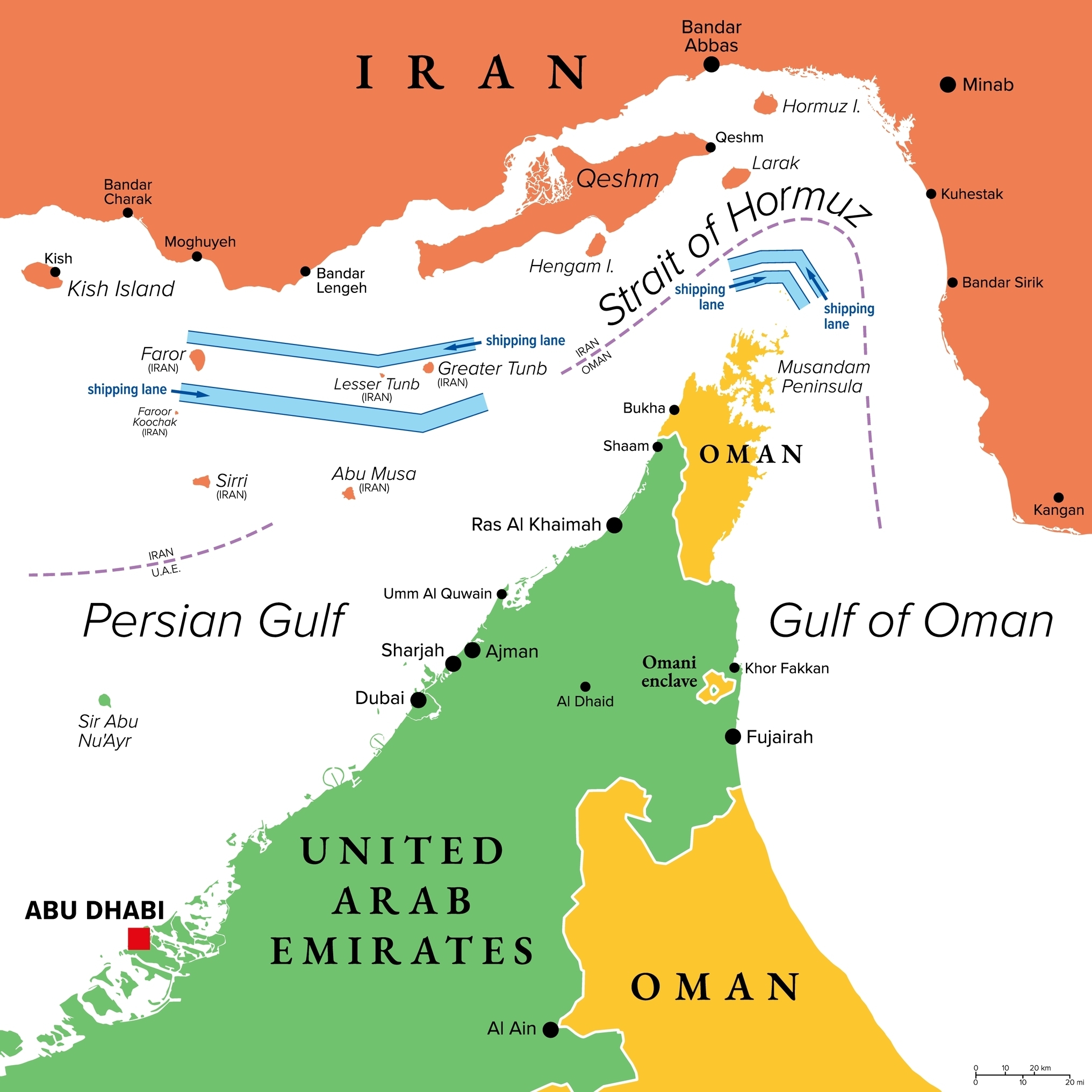
The US and Israel’s war on Iran is forcing world governments to intervene to shore up energy supplies, with ongoing missile fire from both sides disrupting flows through a key waterway.
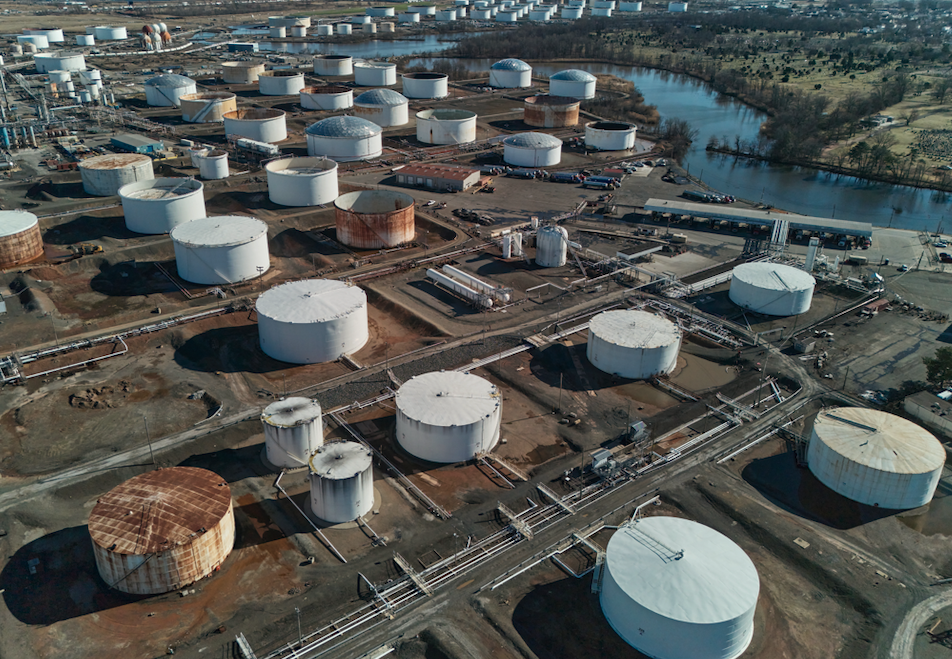
President Donald Trump said the US will get its first new oil refinery in 50 years with the help of investment from India’s Reliance Industries Ltd.
Adam Hetts and Oliver Blackbourn discuss where they assess the market implications of sustained conflict with Iran, examining energy shocks, inflation pressures, and what prolonged instability could mean for investors.
LPL Research reviews how the Iran conflict is affecting markets, highlighting energy risks, market resilience, and what investors should watch in the weeks ahead.
The “fiat is dying” argument has become a catchphrase narrative among digital asset bulls, gold bugs, and cryptocurrency advocates. That narrative’s core is that central banks have printed vast amounts of money.
If tensions de-escalate soon, there could be relatively little impact on international markets. However, risks will rise if global energy supplies face a prolonged disruption.
On February 27, 2026 the United States and Israel launched a coordinated strike on Iran’s leadership, killing Ayatollah Ali Khamenei and many of the leadership team. Since the initial attack, a torrent of strikes has continued, designed to take out Iran’s ballistic missiles and leadership apparatus.
The Treasury market is stuck between artificial intelligence (AI)-driven job displacement and the ongoing conflict in Iran. Earlier in the year, Treasury yields fell sharply as investors weighed the possibility that accelerated AI adoption could slow economic growth by displacing labor.
Ongoing military actions in the Middle East have increased investor uncertainty. Of course, geopolitical risk has always existed, and this time is no different.
The ongoing conflict involving Iran and the disruption to energy markets has moved beyond headline risk and is now influencing expectations for growth, inflation and policy. As of March 9, oil prices briefly breached the $100 per barrel threshold — a development that shifts the macro conversation compared to last week.
Japan is a major oil importer. That explains the vulnerabilities of the country’s equity market to conflict in Iran. Over the past month, the MSCI Japan Index is off about 2%.
2026 has kicked off with investors on the lookout for opportunities in a broadening market. While tech remains an important part of countless investor portfolios, it’s not the only category offering opportunities.
Prediction markets aren't going away. They're designed to be fun and exciting for bettors, intellectually engaging, and culturally resonant. The question isn't whether your clients will participate, but whether you'll have a productive framework ready when they do.
War with Iran is adding a new level of chaos to already uncertain times. What about your retirement savings? Is your investment portfolio safe? Is it time to think about pulling out of the stock market?
Sustainability analysis is most useful when it helps investors and advisors understand how structural economic forces may shape risk and opportunity over time. This includes energy demand, resource constraints, regulation, and physical risk.
Join the experts at GraniteShares as they explore the autocallable market, unpack how it works, and provide strategic solutions to today’s market challenges.
Global conflict has erupted in 2026, from South America to the Middle East. With energy at the center of the picture, markets face potentially serious volatility.
Data center developers plan to reduce their reliance on utility grids by investing in onsite power for rapidly scaling facilities. The shift creates opportunities for electrification infrastructure providers as energy independence takes on new urgency.
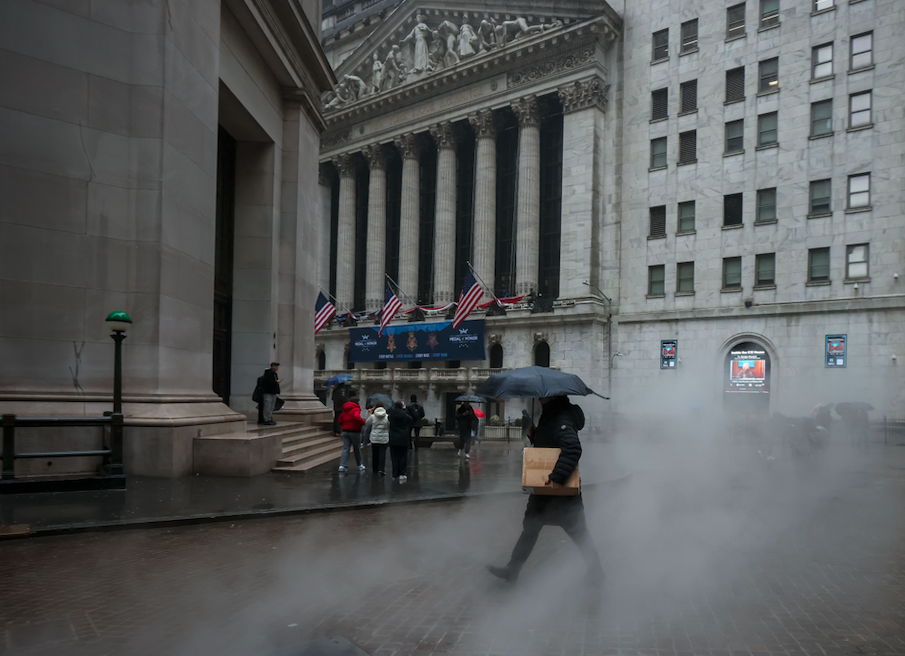
For months, Wall Street’s panoply of risk-hedging strategies did little but lose money. Now, as uncertainty sparked by the war with Iran hits the market’s most popular trades, investors that loaded up on portfolio protection are being rewarded.
President Donald Trump said the US and Israel are making significant progress in the war on Iran and could end the conflict “very soon,” cooling a surge in oil prices.
Those are a lot of disappointments in a relatively short time. That also left some investors wondering if Treasuries are still the bear-market hedge they are touted to be — which prompted me to ask if they ever were. After digging into the data, I discovered a surprising answer: no.
The European Central Bank can be forgiven for feeling nauseous as a massive global deleveraging of risk since the Iran war started has hit the euro area’s currency and interest-rate markets particularly hard.
Big Tech’s consolidation of power seemed a foregone conclusion even as Sam Altman’s OpenAI sparked an artificial intelligence boom with ChatGPT.
We have repeatedly highlighted the delicate balance that the U.S. economy and markets remain suspended in as the Federal Reserve treads a thin line between a softening labor market and stubborn inflation that continues to hover above its 2 percent target.
Markets hate uncertainty, and right now there’s plenty to go around. The outbreak of the U.S.-Iran conflict, following by Iranian retaliation against oil infrastructure across the Persian Gulf, has sent crude prices surging and shipping rates soaring to record levels.
Energy markets drove this week’s market volatility, with the conflict in Iran triggering a sharp rise in oil and natural gas prices. Through Thursday’s close, West Texas Intermediate crude oil was up roughly 17% from last Friday, pushing prices close to $80 per barrel.
About a month ago the financial markets were surprised by a January jobs report that was stronger than expected. The consensus was for a gain of 68,000 private-sector jobs, but the actual came in at a much higher 172,000.
Markets face a complicated mix of signals. The payroll report came in dramatically weaker than expected, several standard deviations below forecasts, and prior months were revised downward. Taken together, the last two months essentially show zero payroll growth.
Doug Drabik discusses fixed income market conditions and offers insight for bond investors.
With its airspace closed and many flights grounded, gold stuck in Dubai is being sold at a discount.
The opening months of 2026 have been hectic. A partial inventory of major developments during the year to date would include the removal of Venezuela’s leader; a government investigation into the Chairman of the Federal Reserve; tension with Europe over Greenland; and a broad swath of U.S. tariffs stricken down by the Supreme Court. It’s been a lot to digest.
In this article, we explore how this speculative environment and the aggressive trading in passive ETFs are playing out. We also examine how to identify and capitalize on sector and factor rotations, turning passive investors' aggressive behavior into an opportunity.
The global economy is now moving through what Absolute Strategy Research (ASR), an award-winning macro-strategy firm, has described as a rupture, meaning a break from the assumptions that governed the post–Cold War era. Governments are intervening more directly in markets and supply chains are being reshaped with geopolitical considerations at the forefront. Nowhere is this shift more visible than in industrial metals.
While we don’t find much reason to underweight our allocation to U.S. stocks based on the current high degree of concentration, we do believe that the valuation of the overall U.S. stock market today is consistent with low expected returns relative to safer fixed income investments.
Today’s letter will look at something even more important: recent developments in artificial intelligence. The models are advancing at an accelerating pace, with major new capabilities revealed just in the last 2-3 months.
The S&P 500 closed at 6,740 on Friday, its lowest level since mid-December, as technical deterioration, collapsing payrolls, and $100 oil converged on the charts. Every major moving average has broken. Here’s what comes next.
One of the most common questions investors ask is simple: “How’s the market?” After more than 50 years in the investment industry, this is a question that comes up constantly. But the truth is, the question itself is somewhat misleading.
Concerns about private credit have intensified in recent months. Investors are grappling with questions about weakening credit quality, stale valuations, looser underwriting, redemption risk in certain types of funds, and the impact of AI‑driven disruption.
In this week's episode, Todd Rosenbluth (Head of Research at VettaFi) joins Chuck Jaffe to break down the SPDR SSGA US Large Cap Low Volatility Index ETF (LGLV).With geopolitical turmoil in the Middle East causing market jitters, many investors are looking for a way to maintain equity exposure without the "stomach-churning" swings of the broader market.
Stocks and currencies have seen steep losses, with the MSCI equity index posting its biggest weekly drop in six years, and bond yields have jumped.
Gold fell, pressured by a stronger US dollar and concern about the prospect of higher interest rates, as the war in the Middle East extended into a second week and oil rallied.
US stocks dropped on Monday, continuing on from the biggest weekly drop since October, as the prospect of a prolonged war in Iran sent energy prices soaring and stoked fears over inflation.
Netflix Inc.’s stock price is staging a dramatic reversal triggered by management’s decision to walk away from its proposed acquisition of Warner Bros. Discovery Inc. late last month.
Iran’s strategy in its war with the US and Israel is by now clear: Impose an intolerable economic cost on President Donald Trump, forcing him to abandon his “war of choice” as American gasoline prices surge. Is there any way the Islamic Republic’s blueprint for survival can fail?