Dollar positives include relatively high U.S. interest rates and robust growth. But dollar negatives are building. The political will for a stronger dollar isn't there and valuations aren't helping.
Whether you follow Japan or not, its situation is incredibly important for investors because it is a major provider of global liquidity. Instead of being overly dramatic about the slim chance of a near-term Japanese crisis, we prefer to focus on how Japan normalizes policy after years of artificially suppressed interest rates and how that process will impact the yen carry trade.
Interval funds can be a powerful addition to the advisor toolkit. They can broaden access to institutional-style strategies and help build more diversified portfolios for clients who would otherwise be shut out of private markets.
After several years dominated by macro shocks, markets are transitioning into a phase where dispersion, selectivity, and disciplined portfolio construction matter more than broad directional bets.
Is your portfolio too focused on U.S. large-cap stocks? In this episode of ETF of the Week, Chuck Jaffe and Todd Rosenbluth (Head of Research at VettaFi) dive deep into the Vanguard Emerging Markets Stock Index Fund (VWO).
DroneShield’s rising success shouldn’t come as a particular surprise to the investment community. As drones continue to become more of a part of everyday life, both for defense and commercial use, demand will continue to mount for companies and software designed to preserve public safety and mitigate the threat of military drones.
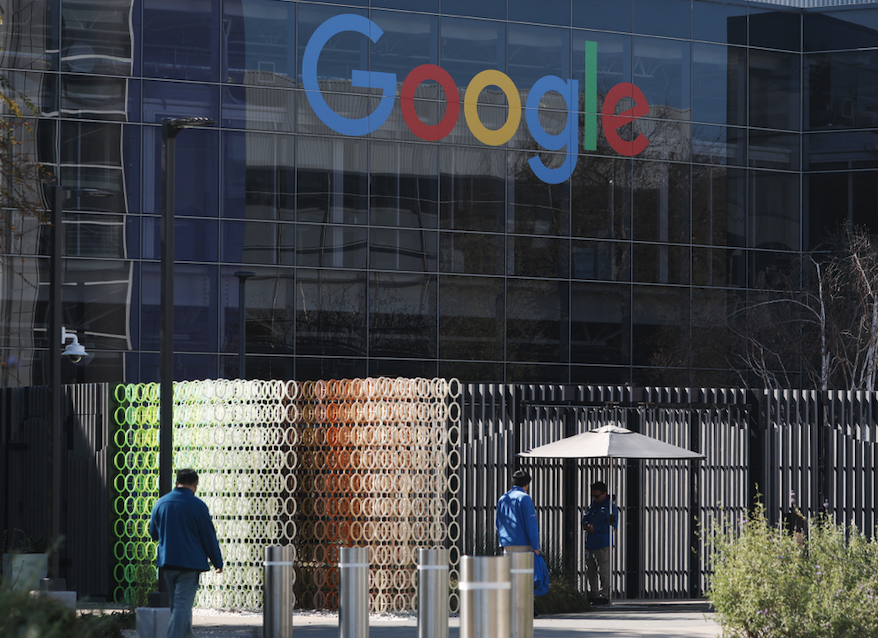
Alphabet Inc. is looking to raise about $15 billion from a US high-grade dollar bond sale, according to people with knowledge of the matter, adding to a borrowing spree by companies at the forefront of the artificial intelligence investment boom.
Hedge funds are betting on more pound weakness as UK Prime Minister Keir Starmer’s future hangs in the balance.
US initial public offerings are poised to rebound this year, Goldman Sachs Group Inc. strategists said, citing tailwinds including a solid economic backdrop, rising boardroom confidence and supportive monetary policy.
Markets are efficient after all. This does not mean that prices are always “correct,” just that they generally reflect the available information. When investors learn that software firms’ products may be displaced by AI, their prices fall, as they did last week.
The Federal Reserve System has a critically important role in the economy, but it is designed to act slowly. The modern economy isn’t slow at all. Things change before Fed officials even notice them, much less understand them. That’s why Kevin Warsh’s nomination as Federal Reserve chair is so important.
For nearly two years, markets were driven by the same speculative narrative that “this time is different.” Speculative narratives are not only seductive but also contribute to investment behaviors that obscure reality. Speculation disguised as investing is a losing proposition.
Chuck Carnevale, co-founder of FAST Graphs, aka Mr. Valuation explains what he believes is the single biggest and most avoidable risk investors face: overvaluation.
The U.S. labor market showed further signs of cooling last week as private sector hiring slowed and job openings reached their lowest levels in over five years.
Buildout of blockchain-based infrastructure is entering a new phase. The focus in 2025 was on stablecoins and their emergence as the cross-over use case that captured interest from both crypto-native and traditional financial participants.
For the last year, any discussion of the obesity-drug market has come with an asterisk: Everything will change once pill versions of the popular GLP-1 drugs arrive. Those potentially cheaper alternative to injectables could mean a larger slice of the millions of Americans with obesity will try out the medicine.
Barely a month into 2026, markets have already weathered multiple bouts of rolling, event‑driven volatility. Geopolitical surprises and policy pivots have triggered sharp price moves from the U.S. to Japan to Europe, from sovereign bonds to currencies to mortgages.
The cryptocurrency market has expanded rapidly, with new technologies and networks gaining traction each year. As the broader crypto market continues to evolve, the leaders of today aren't guaranteed to be the leaders of tomorrow.
After more than a decade of U.S. dominance, the tone has shifted, and investors understandably want to know whether this is a brief rebound—or the start of a new leadership cycle. While we do not time markets or make predictions, we believe long-term investors can benefit from maintaining international exposure by understanding the broader structural forces that have historically shaped these cycles.
Corporate pension funding continues to improve. Market moves over the last five years, both in yields and equity returns, have corporate pension plans at funding levels not seen since before the Tech Bubble.
Monetary policy stayed front and center this week as major central banks kept rates unchanged. What stood out was not the decisions themselves, but how economic momentum is diverging across regions.
The S&P 500 Index is in the midst of a tug-of-war. Companies are beating earnings per share estimates by significant margins and are set to deliver impressive 12% growth this reporting season.
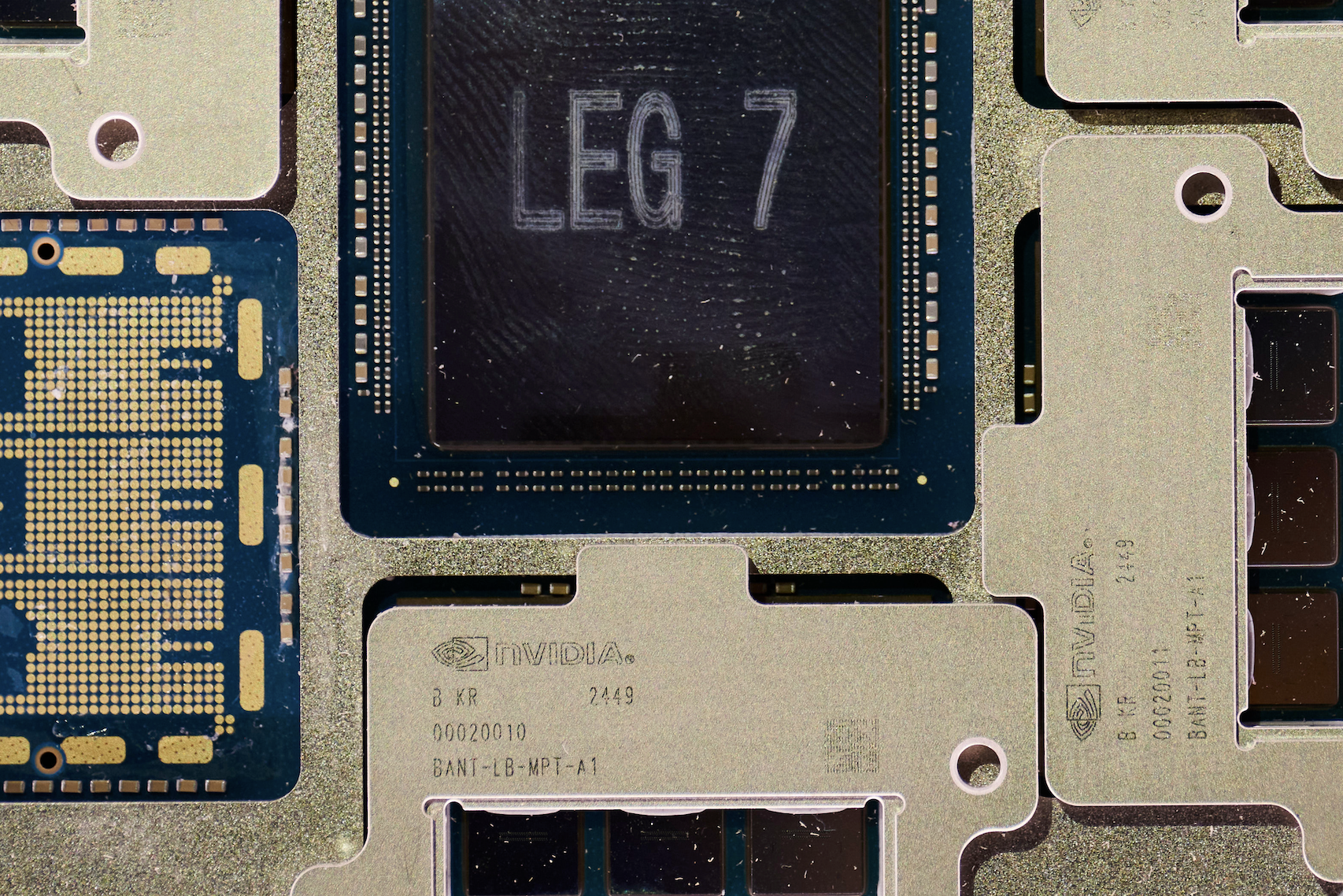
The semiconductor industry will reach $1 trillion in revenue this year for the first time ever, fueled by artificial intelligence and the spread of computer chips to virtually every part of the economy.
If you’re still attempting to make investment decisions without fully integrating geopolitics into your analysis, you’re operating at a significant disadvantage in today’s markets.
Emerging market assets are heading for their worst week in more than two months, after increasingly volatile markets from commodities to technology stocks roiled investor sentiment.
Another signal of earnings strength is the ISM Index. Historically, the Institute for Supply Management (ISM) Manufacturing Index has correlated well with S&P 500 earnings growth because earnings are more manufacturing-driven than the more consumer-oriented economy measured by gross domestic product (GDP).
Vanguard CIO Lauren Wilkinson shares a strategic roadmap for RIAs curious about AI integration for their practice.
Carrie King, Global CIO of BlackRock Fundamental Equities, offers her perspective on these questions and more as viewed through the lens of an active stock picker.
ETF industry and State Street Investment Management leader Matt Bartolini joined VettaFi's Todd Rosenbluth to talk diversification.
Four of the biggest US technology companies together have forecast capital expenditures that will reach about $650 billion in 2026 — a mind-boggling tide of cash earmarked for new data centers and all the gear housed within them.
On an evening in late September, a few dozen wealth managers gathered at a $63 million French château-style mansion owned by Paris Hilton and venture capitalist Carter Reum in the exclusive Los Angeles enclave of Beverly Park.
2025 brought new tax policy changes. Prepare early to understand deductions, charitable giving and retirement contributions. Our Bill Cass explains how organizing documents and consulting an advisor can optimize your filing, ensuring a smoother process.
When it comes to investing, you don’t have to do it alone. Whether you’re planning for the future with your spouse, growing wealth with a family member, or expanding your goals alongside a business partner, a joint brokerage account allows you to share the opportunities and responsibilities that come with growing your money together.
Kevin Warsh began his April 2025 lecture to the International Monetary Fund (IMF) by comparing today’s economic environment in a period of extraordinary consequence, arguing that the greatest risks to prosperity originate not from external forces but from decisions made within leading economic institutions.
Our underlying theme for 2026 is that investors should focus on Process Over Predictions. The instinct of many investors is to chase the "winners" of the previous cycle or expect spectacular growth to continue indefinitely.
The challenge for investors is that the moments when action feels most urgent are often the moments when patience is most valuable. Much of modern investing is built around the illusion that more information always leads to better outcomes.
Investors seeking protection from geopolitical volatility and stubborn inflation in 2026 may find opportunity in short-term bonds, where active management has historically delivered returns 25% higher than passive strategies, according to Vontobel Asset Management.
New research connects intensifying natural perils to their future implications for asset classes.
Tech stocks and the AI trade have powered global markets ever since the bull run began in October 2022.
The problem of housing affordability is much bigger than insufficient supply; it’s a mismatch with demand. And that demand is driven by income inequality that has seen soaring income growth at the top and tepid growth (or even stagnation) in the middle.
The term private credit is often reduced to its most literal meaning – lending money privately. While accurate, Chris Getter, managing director and portfolio manager at Simplify Asset Management, believes that definition does a disservice to the asset class.
Anthropic is releasing a new version of its most powerful AI model that’s designed to carry out financial research, days after the company’s push into legal services upended the stocks of legacy software makers.
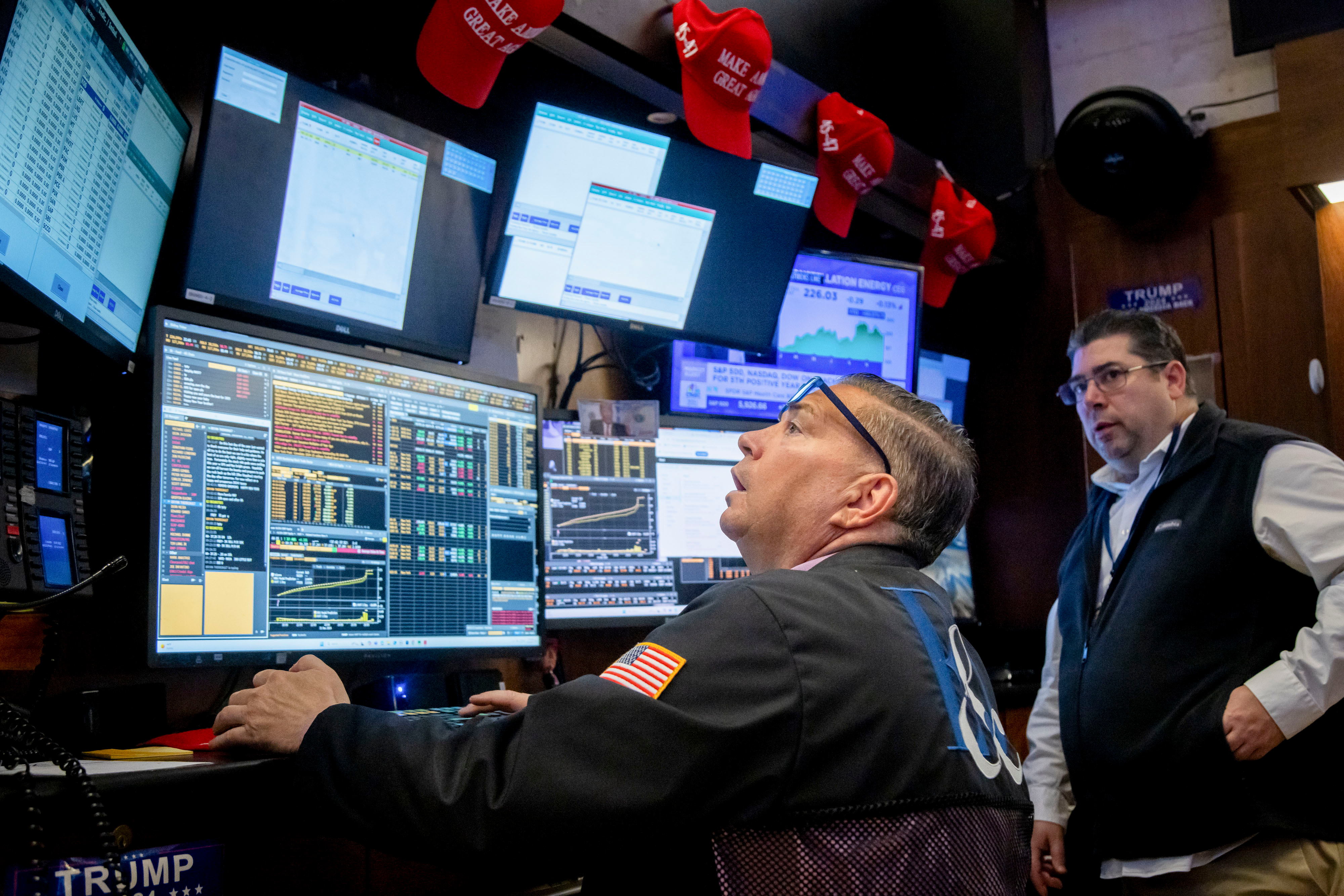
US stocks continued to slide on Thursday as technology shares fell and private jobs data revived worries of an economic slowdown.
Join SS&C ALPS Advisors and VettaFi for a product due diligence session and discover how EQL can deliver.
Throughout most of 2025, silver has recently outperformed gold, proving (ironically) that it is not always second place. Strength in silver built gradually through last year, but the latest pullbacks are a reminder that near-term market reactions can outweigh fundamentals and long-term investor sentiment.
The unrelenting selloff in software shares has left tech investors antsy enough that they’re starting to pony up for protection against yet another steep slide.
All eyes will be Amazon.com Inc.’s cloud business when the technology giant reports earnings on Thursday, after shares of Microsoft Corp. plunged last week due in part to slowing growth at its key cloud-computing platform.
Vanguard Group Chief Executive Officer Salim Ramji is putting his imprint on the world’s second-largest asset manager by siphoning talent from Wall Street firms to fill key roles.
As the company moves to integrate its Gemini chatbot into more products like Gmail and the Chrome browser, it is rapidly gaining popularity and eating away at ChatGPT’s market lead.
Oil smuggling has been so enormously profitable that no matter how many obstacles Washington and Brussels put up, the barrels kept flowing. With a daily turnover of $1 billion, the black market has been just too attractive.