To benefit from a corporate buyback, an individual must sell their shares to the company. Conversely, those holding on to their shares are not compensated.
With economic data, the challenge is that our instruments are more error prone. The monthly jobs reports rely on employers responding to surveys correctly and quickly.
U.S. economic growth slowed decisively in the first half of the year amid concern about rising tariffs, although corporate fundamentals have remained strong.
The top articles on Advisor Perspectives during the month of July featured some of the most popular longtime writers for the site, as well as a few newcomers.
High yield bonds have historically delivered attractive long-term returns, and since the Great Financial Crisis they have also become higher quality, as weaker borrowers have departed the sector for the private credit and leveraged loan markets.
The U.S. economy is like a finely tuned sports car—powerful, tough, and built for speed. It has managed to climb steep inclines in recent years, competently maneuvering past multiple roadblocks.
The day of reckoning is here. Earlier in the summer, the Trump Administration set a global trade deal negotiation deadline of August 1.
After some back-and-forth over whether gold bullion imports into the United States would be hit with tariffs, the Trump administration confirmed yesterday that they will not be. In response, spot gold fell 1.62% and spot silver dropped 1.86%.
For the second quarter of 2025, most energy infrastructure companies maintained their payouts, with MLPs largely providing sequential growth.
As the universe of investors seeking to increase their exposure to private markets grows, and now includes wealth advisors and family offices, investors need to consider not just what they own but how they own it.
Markets are driven by fear and greed, with recent fears centered on the perceived perils of investing when markets have just reached an all-time high. Fundamental Equities Global CIO Tony DeSpirito suggests this concern may be overblown, with historical patterns showing that investing at market highs has had little to no impact on longer-run performance outcomes.
High yield ETFs, particularly short high yield, have been a significant contributor to portfolio performance, providing relatively reliable fixed income return with relatively little volatility.
In this video, Chuck Carnevale, co-founder of FAST Graphs, aka Mr. Valuation discusses Growth at a Reasonable Price (GARP) and presents five small- to mid-cap growth stocks at a reasonable price he believes are worth researching.
Last week, the S&P 500 had a rally that took it to 3 straight record highs. The momentum cooled as economic data painted a complex picture.
Borrowing can offer flexibility and align with long-term financial goals.
July’s Consumer Price Index (CPI) report showed headline year-over-year inflation remained steady at 2.7%, below the anticipated level of 2.8%.
A checklist comprising above-average income, attractive valuations, and positive correlations to possible interest rate cuts may sound daunting
Active emerging markets ETFs can provide that international performance even if international equities broadly don’t spike as they did earlier this year.
Despite headline noise from U.S. tariffs and mixed earnings, India’s structural growth pillars—credit expansion, services exports and infrastructure delivery—remain firmly intact in 2025.
For many investors, land ownership is part of the American Dream. But what happens when the land you own sits idle?
Some market observers say that the biggest wave of corporate treasury adoption of cryptocurrency has come and gone. However, some studies point to a long runway for corporations to bring crypto into their portfolios.
Investors seeking a Goldilocks option to balance yield and rate risk may want to consider intermediate bonds.
With 90% of S&P 500 companies having reported second quarter results, corporate America has handily topped expectations, displaying resilience in the face of a challenging policy environment.
The word “bubble” gets tossed around quite a bit. Usually, it comes in the form of verbal arguments about whether prices have advanced to a point that’s “too high” in some sense. We can do much better than that. A bubble is a mathematical object.
The One Big Beautiful Bill Act, signed into law on July 4, 2025, introduces significant changes to the federal student loan system. The legislation aims to simplify repayment options, adjust borrowing limits and modify the structure of educational financing.
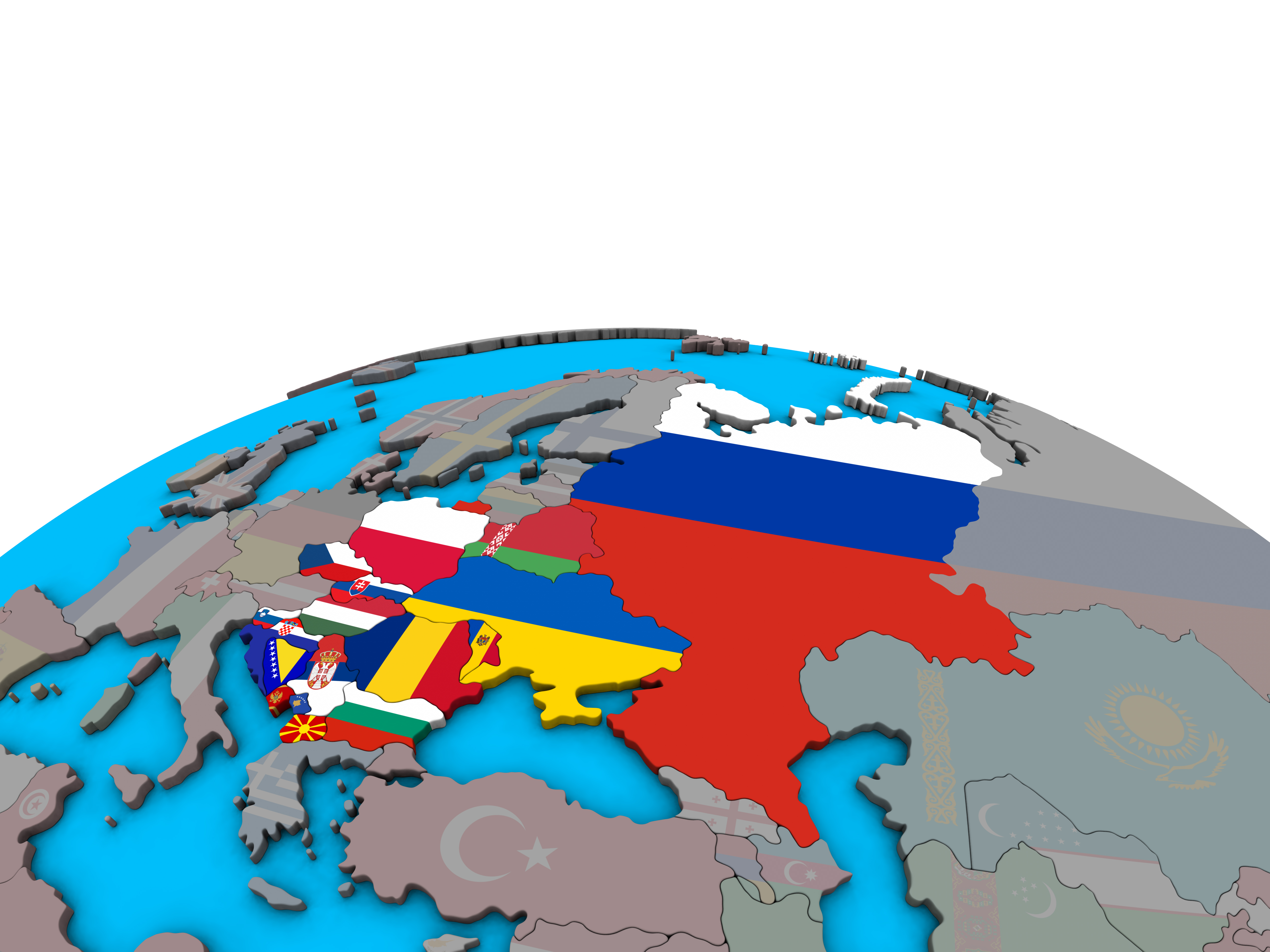
Last summer, we highlighted the investment potential in Eastern Europe.
Japan represents a compelling investment case, where local insight and rigorous research can uncover under-owned assets with the potential to deliver strong returns.
Economic resilience allowed the Fed to remain in wait-and-see mode in July, but July’s non-farm payroll report may cloud the horizon.
The July CPI data indicated moderate price inflation and boosted optimism for a September interest rate cut, even though monetary inflation is on the upswing.
Portfolio Manager Dan Lyons and Research Analyst Luyi Guo explain recent developments in proposed pharmaceutical tariffs and “most favored nation” drug pricing and what both could mean for the biopharma industry.
The 24-hour news cycle reminds investors that tariffs still remain a factor. As such, for those looking to get commodities exposure as a portfolio diversifier will want to make sure they allocate strategically.
The U.S. economy grew at a surprisingly strong annualized rate of 3.0% in the second quarter of 2025, which far outpaced the post-2000 average of 2.3% and easily beat expectations.
As investors re-evaluate their allocations to US assets, we think they should consider euro-denominated bonds.
As we move through the final peak week of earnings season, the blended growth rate for S&P 500 has now moved into the double digits, hitting 11.8% with 90% companies reporting.
Income diversification is necessary considering that rate cuts could be ahead. One area that could help bridge the gap — private credit.
We have been pleasantly surprised by how well stocks have handled the sharp increase in tariffs. Since the market low from the early April tariff scare, the S&P 500 Index has gained more than 28%.
It’s always fun to return to classic novels for summer reading and accordingly, this year’s Charts for the Beach returns to the time-honored basics of the economy and of investing.
For the second straight month, consumer borrowing was weak, indicating Americans might be close to their credit limits.
While the One Big Beautiful Bill Act (OBBBA) has something for each constituency in President Trump’s political coalition, we think it could be a squandered opportunity to alter the unsustainable trajectory of federal debt.
Doug Drabik discusses fixed income market conditions and offers insight for bond investors.
The first step toward offering participants lifetime income is to address misperceptions.
The summer months and October are known being tough on stocks, but seasonal trends don’t always repeat. Even when they do, it’s not necessarily a call for long-term investors to move away from equities. This year could be an example of a good time to remain invested during the summer doldrums.
The ETF landscape continues to grow and change, and this time, it’s Neuberger Berman adding to the space.
Sam Rines explains why it's time to find out what really drives returns in a shifting macro environment.
A surprise 39% tariff threat on Swiss gold imports sent shockwaves through the gold market. Gold prices remained relatively stable, but spreads exploded.
July U.S. ETFs saw gains in both flows and AUM as well as another elevated round of launches. In the tidal wave of funds coming to market, a few ETF strategies stand out for their innovation or for notable opportunities they provide.
Financial advice often focuses on boosting personal savings rates and maximizing return on investment during a worker’s accumulation years. Equally important, however, is the decumulation process, when people spend those savings in the form of income.
Chuck Carnevale, co-founder of FAST Graphs (“Mr. Valuation”), reviews six regional banks that are all Dividend Champions—companies that have raised their dividends for at least 25 consecutive years.
The meme stock movement is again dominated by speculative retail trading driven by online forums, social media hype, and short-term momentum.
The first full week of August offered a concise lesson in how quickly the policy calculus can shift when both politics and data align. Equity markets wobbled after reports that Governor Christopher Waller, not Kevin Warsh, is now the front runner for the next Fed chair.