The Fed downshifted to a smaller rate hike to start 2023, but the job is far from done.
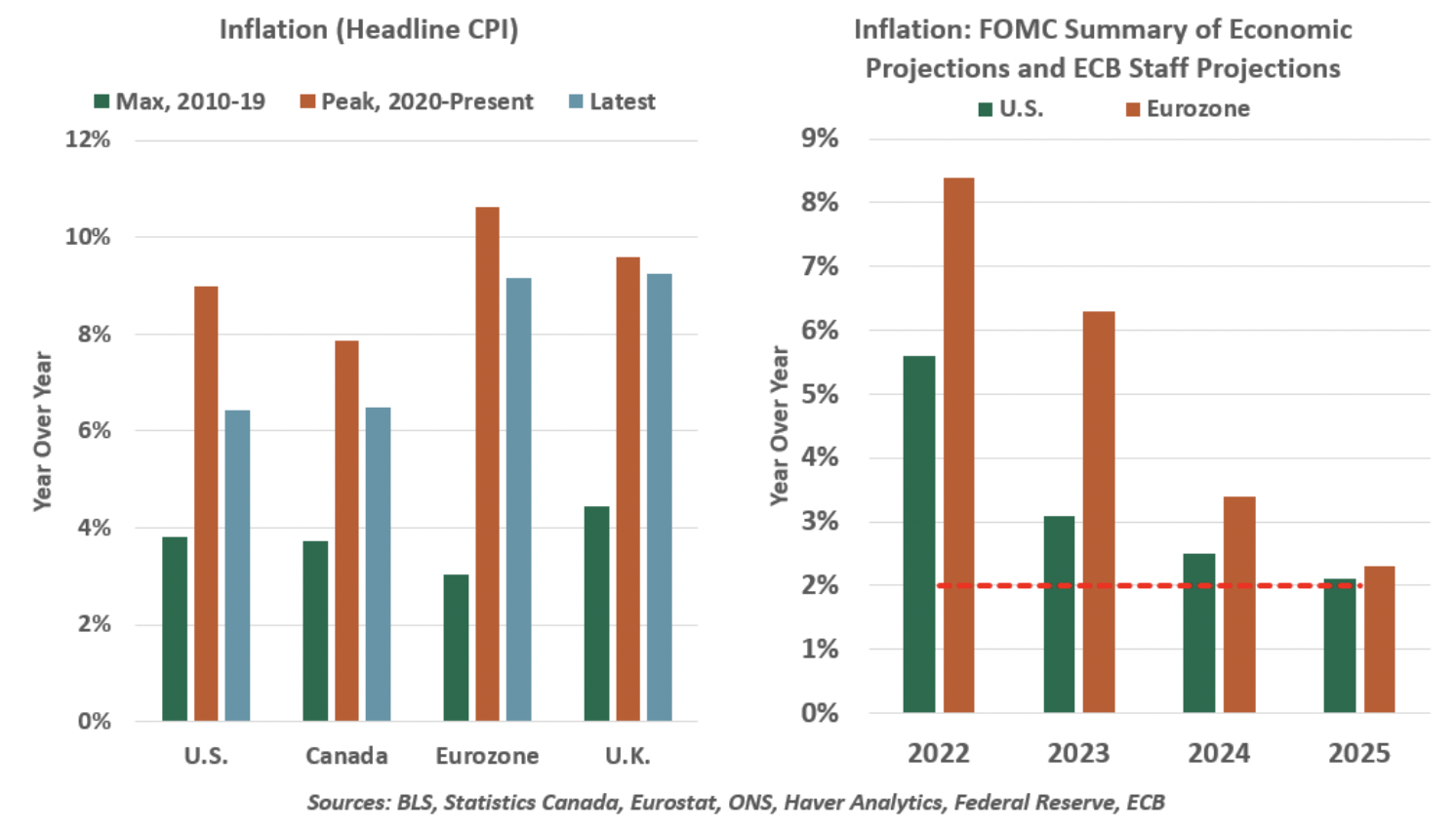
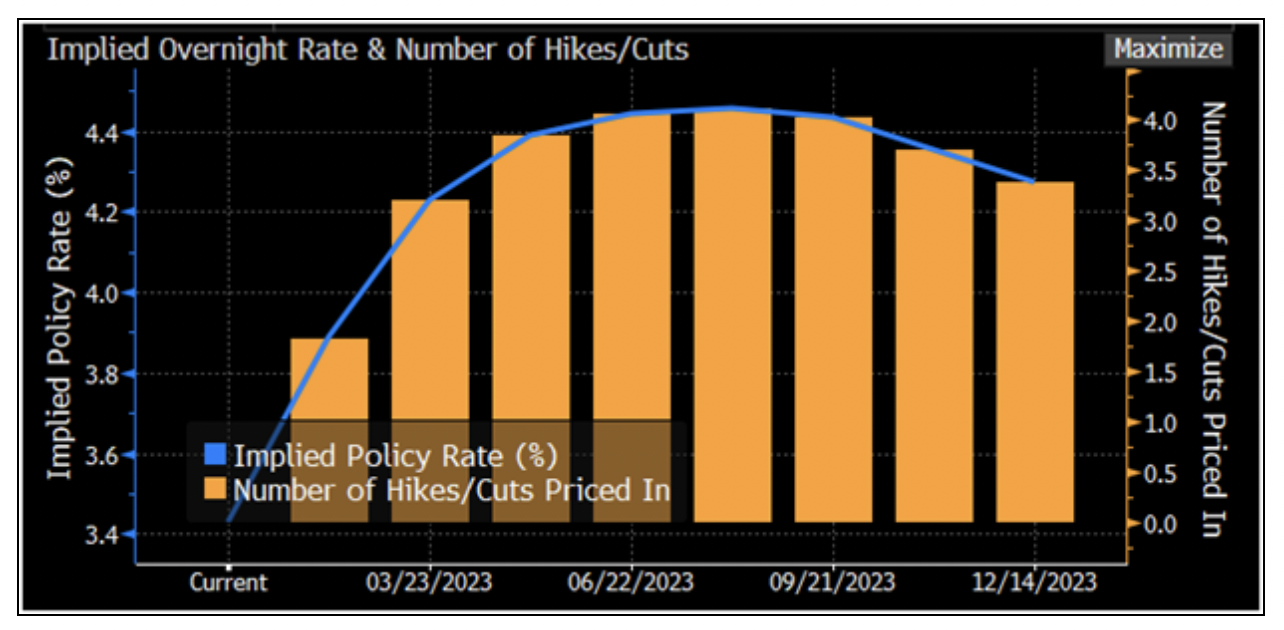
The market has high hopes for the Fed, however, comparing this to the Fed’s own expectations, we see a very different narrative.
Inflation appears to have peaked, led by improvements in core goods prices and rate-sensitive sectors like housing.
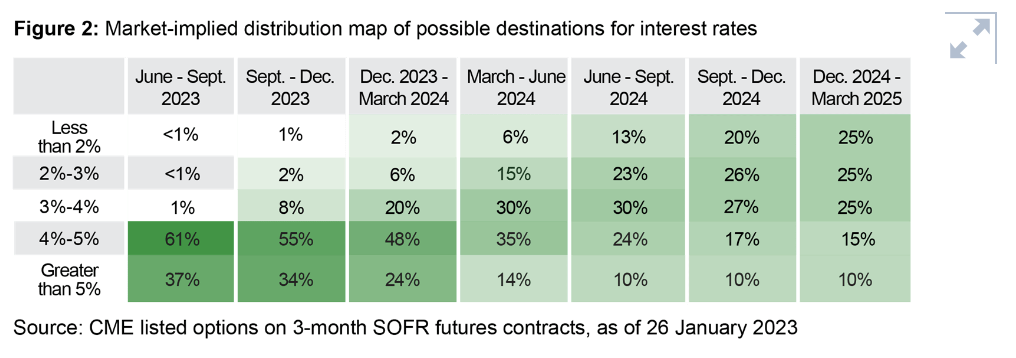
As investors seek to pinpoint market expectations for Federal Reserve policy, it’s critical to consider not just rate projections and derivatives pricing, but the degree of uncertainty and distribution of outcomes.
In anticipation of tomorrow’s rate decision, we saw another indicator today that the Federal Reserve has been successful in stemming the tide of inflation.
I chose the topic for this month’s Absolute Return Letter during the Christmas break.
It is hard to reconcile the jubilant mood of many business leaders with the uncertainty caused by the war in Ukraine.
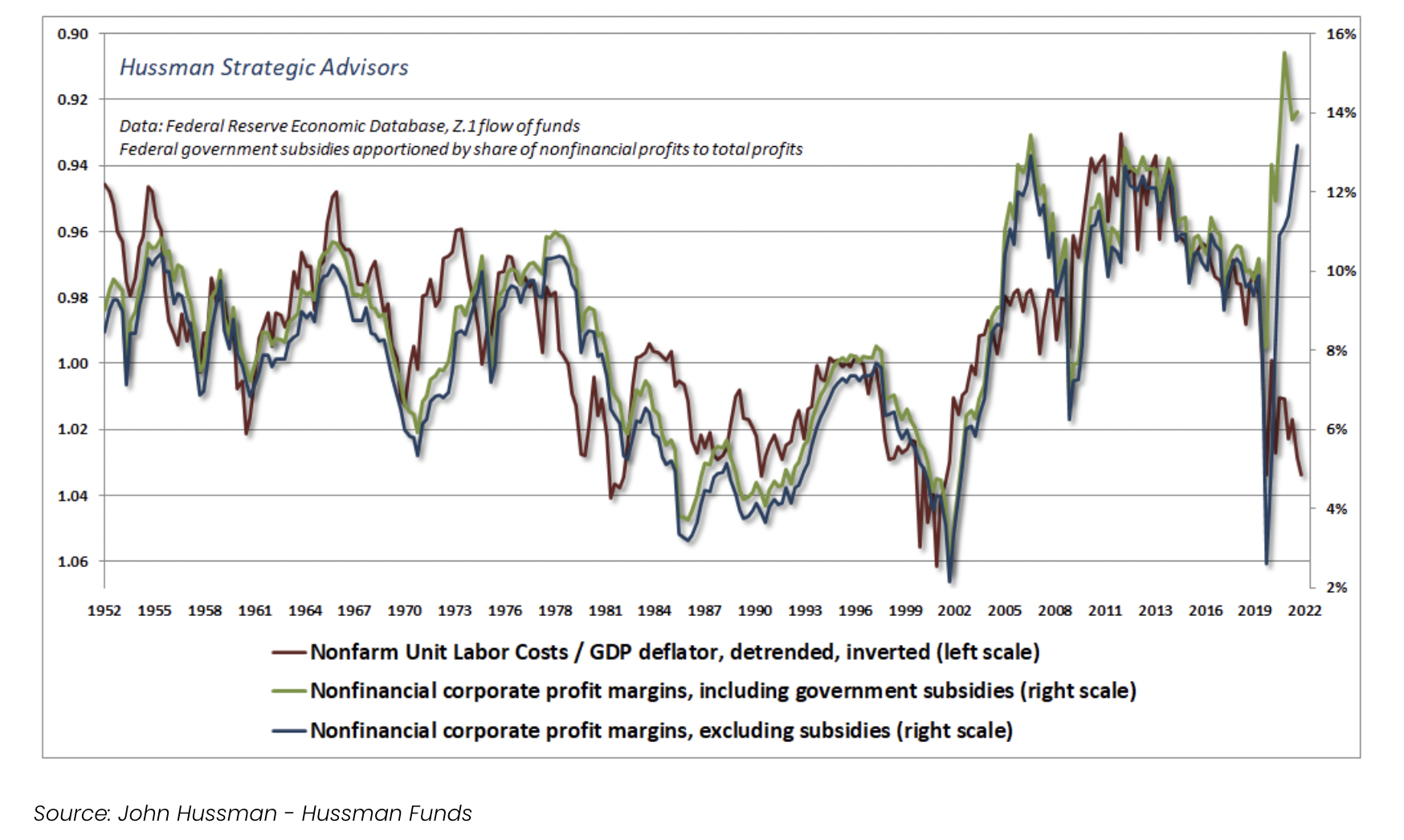
A plunge in pricing power was one of the most notable developments we found in our latest quarterly survey of our credit analysts, who follow more than two dozen industries.
Review the latest Weekly Headings by CIO Larry Adam.
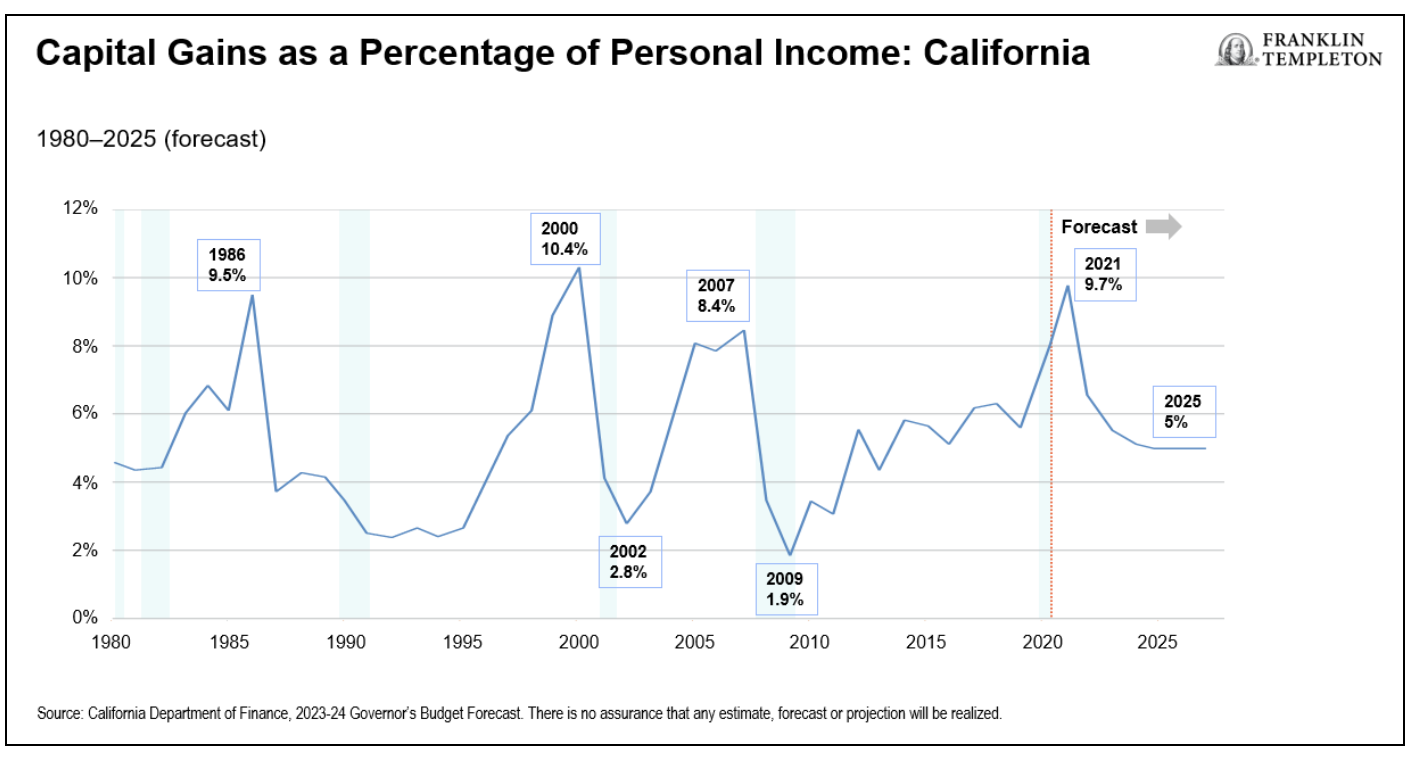
A slowdown in US economic activity this year is likely to impact most states, which could face budget deficits, according to Jennifer Johnston, Franklin Templeton Fixed Income’s Director of Municipal Bonds.
We are closing in on what we think may be the question of the decade. If a majority of stock market capitalization in the US is passive or indexed, does this cause problems for stock markets?
Guggenheim Investments’ Macroeconomic and Investment Research Group identifies 10 macroeconomic trends likely to shape monetary policy and investment performance this year.
2022 was a painful year in financial markets with almost all traditional assets delivering significant losses.
U.S. stocks declining, as the markets trim a strong start to 2023 ahead of this week's host of key economic and earnings data, as well as the Fed's monetary policy decision.
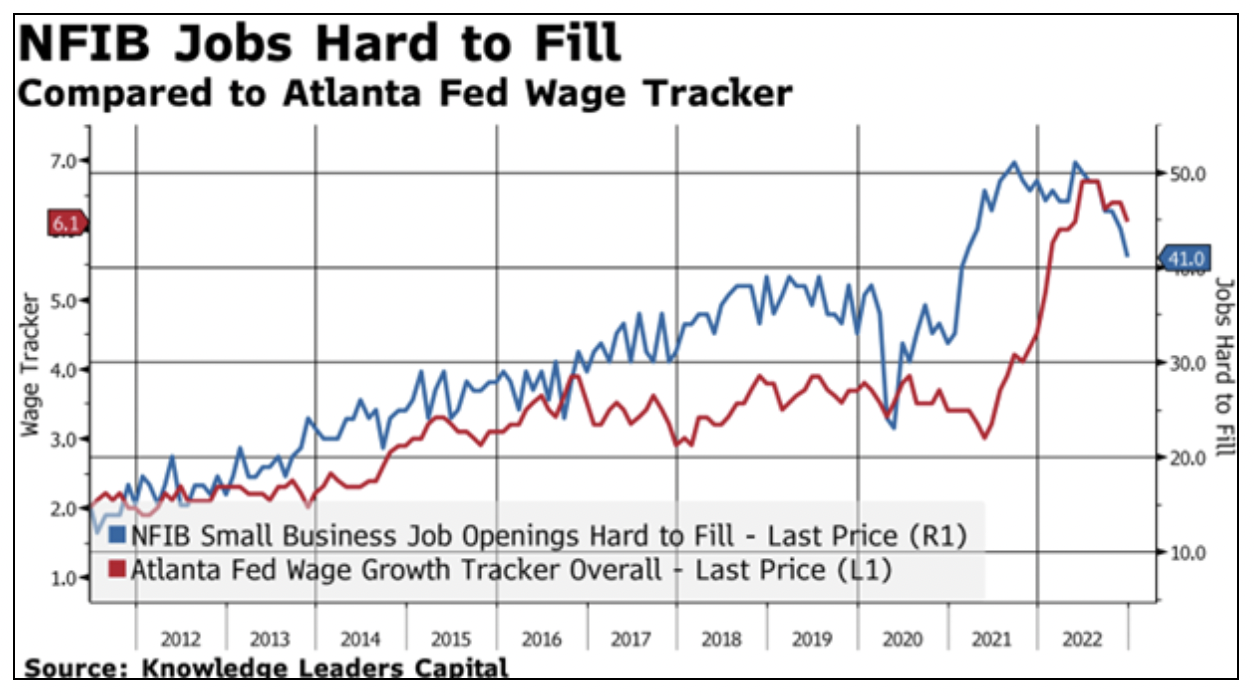
With wage growth still strong and unemployment low, the labour market is still historically tight. For now.
The US federal budget is on an unsustainable path…but not for the reasons that most people think.
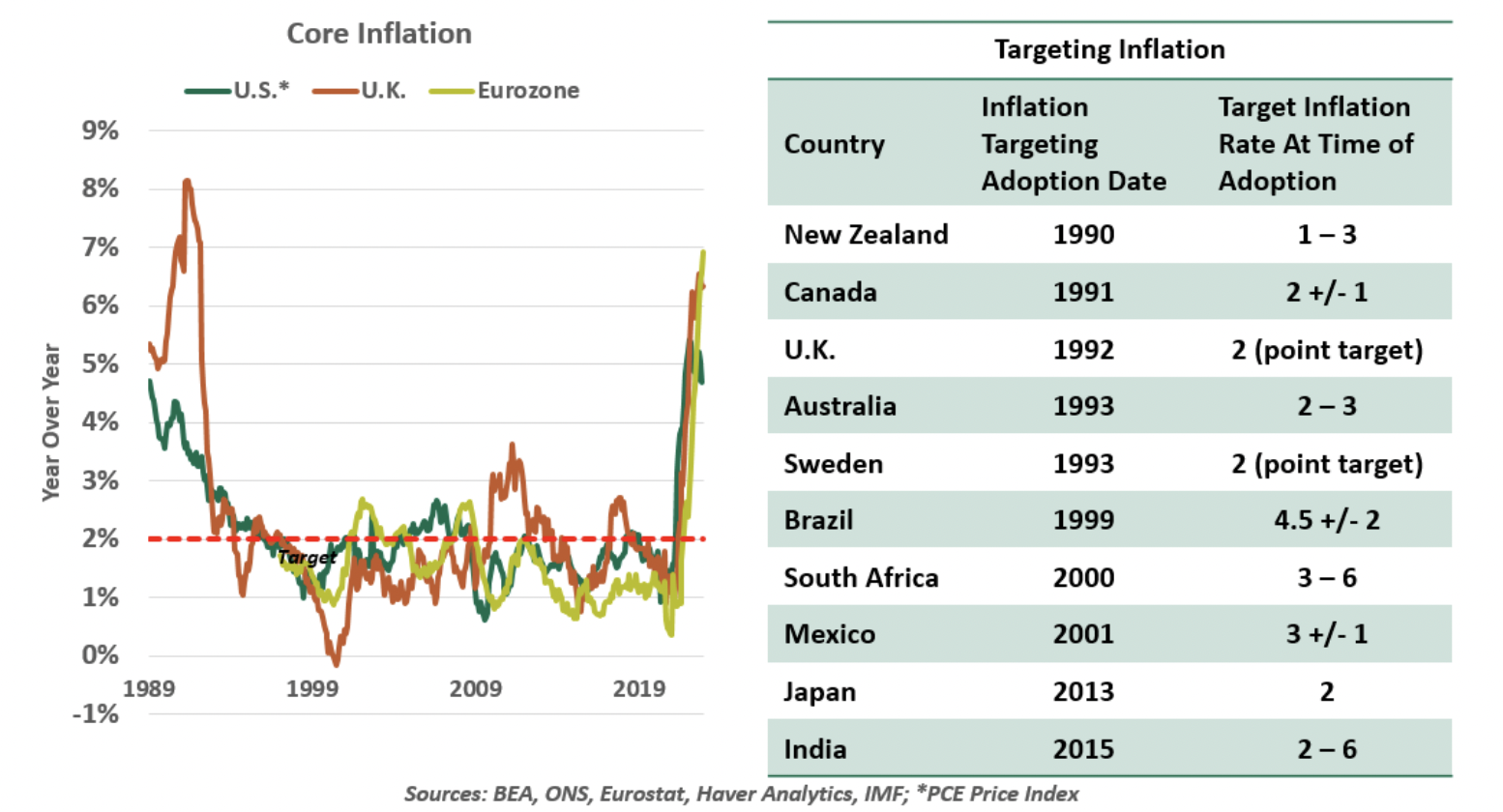
Now is not the time to consider changing inflation targets.
Optimism is increasing on Wall Street, with investors hoping for a “soft landing” in the economy.
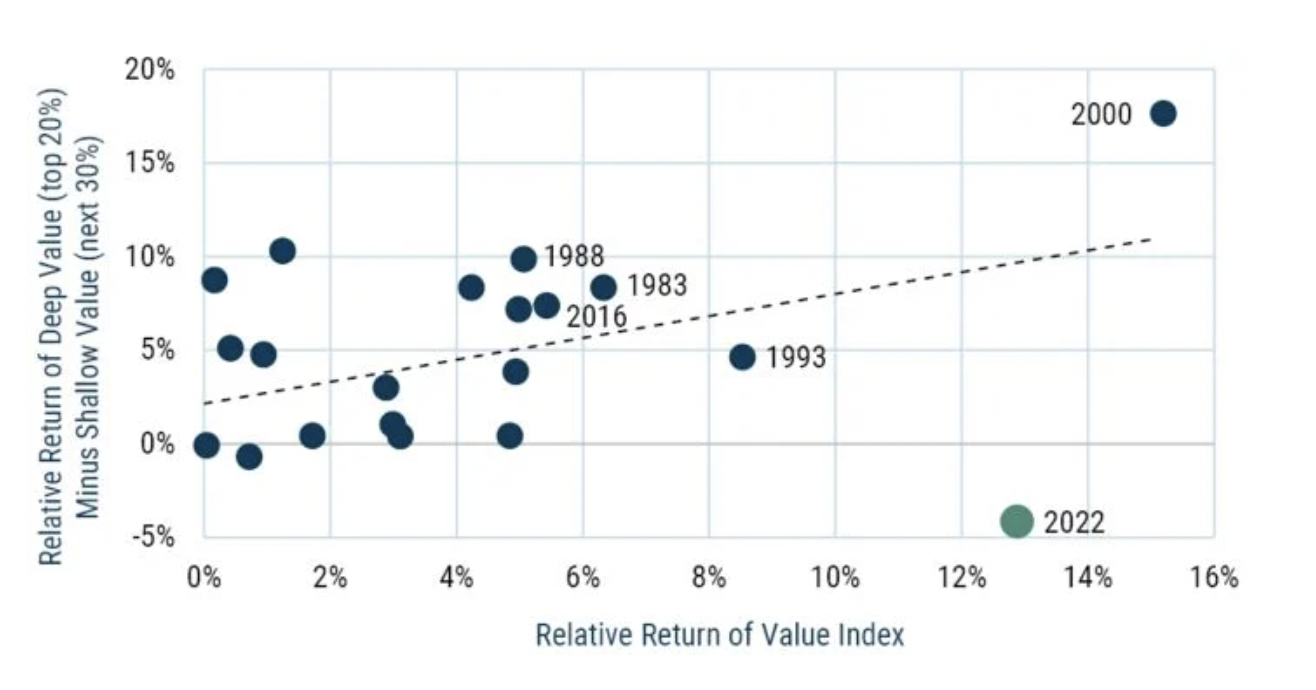
In stock investing there’s a management style called “growth at a reasonable price” or GARP. It seeks to achieve steadier results by avoiding both expensive growth stocks and beaten-down value stocks.
Since its launch in November, ChatGPT has been a smash hit. To explore the benefits of airline deregulation in the U.S., we sought the help of the AI content generator.
It is believed that during stagflation, investors tend to turn to gold as a safe haven asset as the economic and financial conditions are uncertain. Additionally, gold is seen as a hedge against inflation, as its value is not tied to any currency or government.
The current debt ceiling debate in Congress is a great reminder that investors should always prepare for the unexpected and invest in companies that are durable enough to withstand a range of economic scenarios.
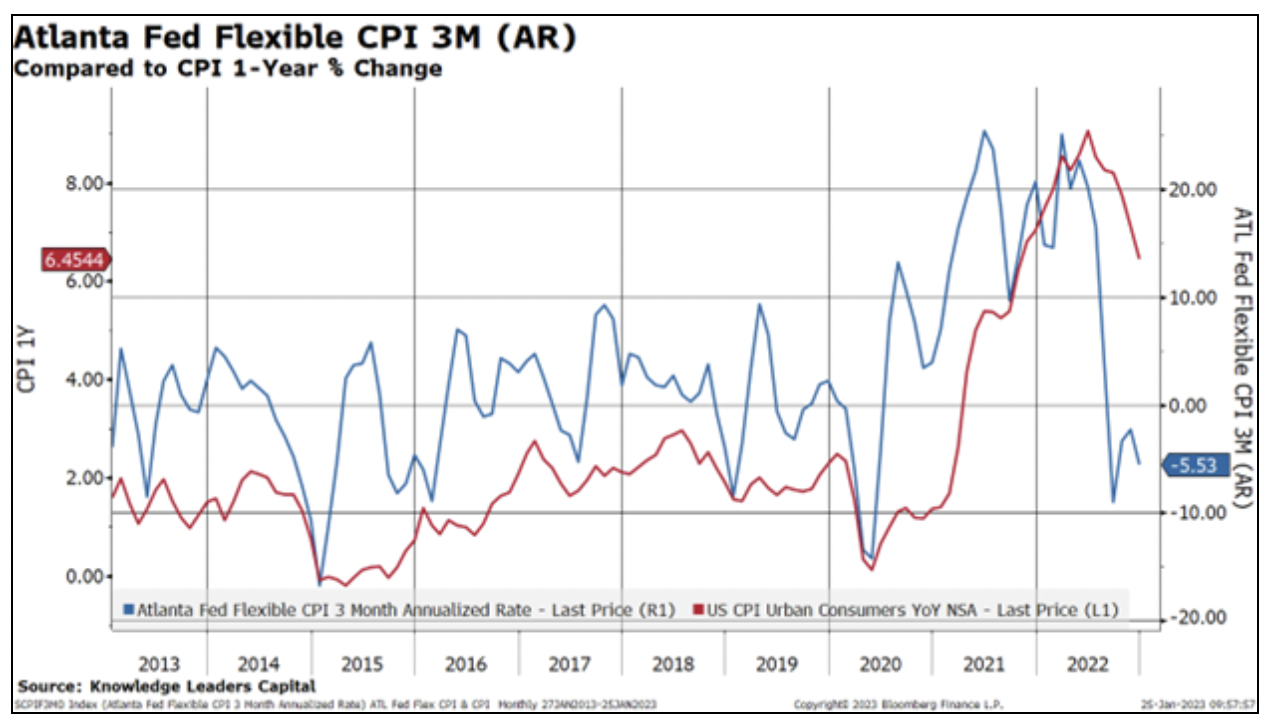
The Atlanta Fed Flexible CPI is a price series developed by the Atlanta Fed to capture the price of items that change the most frequently.
Review the latest portfolio strategy commentary from Mike Gibbs, managing director of Equity Portfolio and Technical Strategy.
As Royce Investment Partners, the pioneers of small cap investing, celebrate their 50th anniversary, Chuck Royce and Chris Clark take a look at the past 50 years to provide a take on what they have learned and how it guides their views on what is yet to come for the asset class.
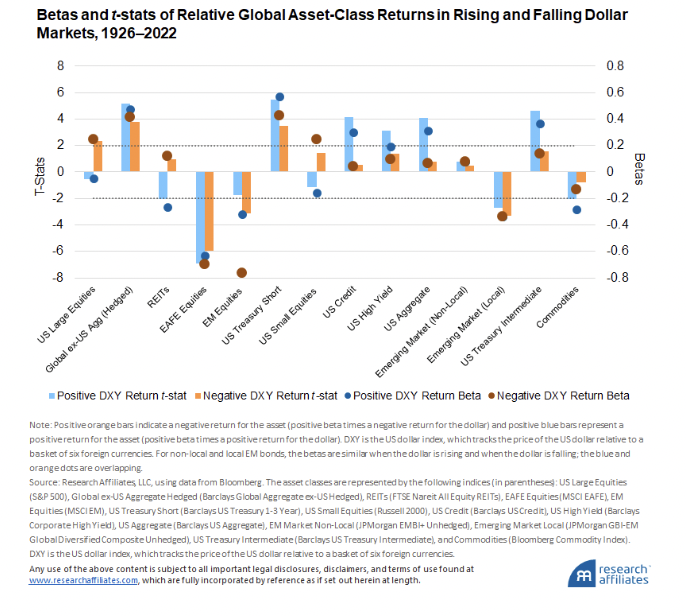
US dollar cycles are long.
Focusing on high quality and liquidity when taking risk in portfolios will be key in 2023, as pressure on monetary policy remains intense.
The “pain trade” is likely higher over the next few weeks.
In part 1 of this two-part series on dividend growth stocks, I stressed the importance of having a plan.
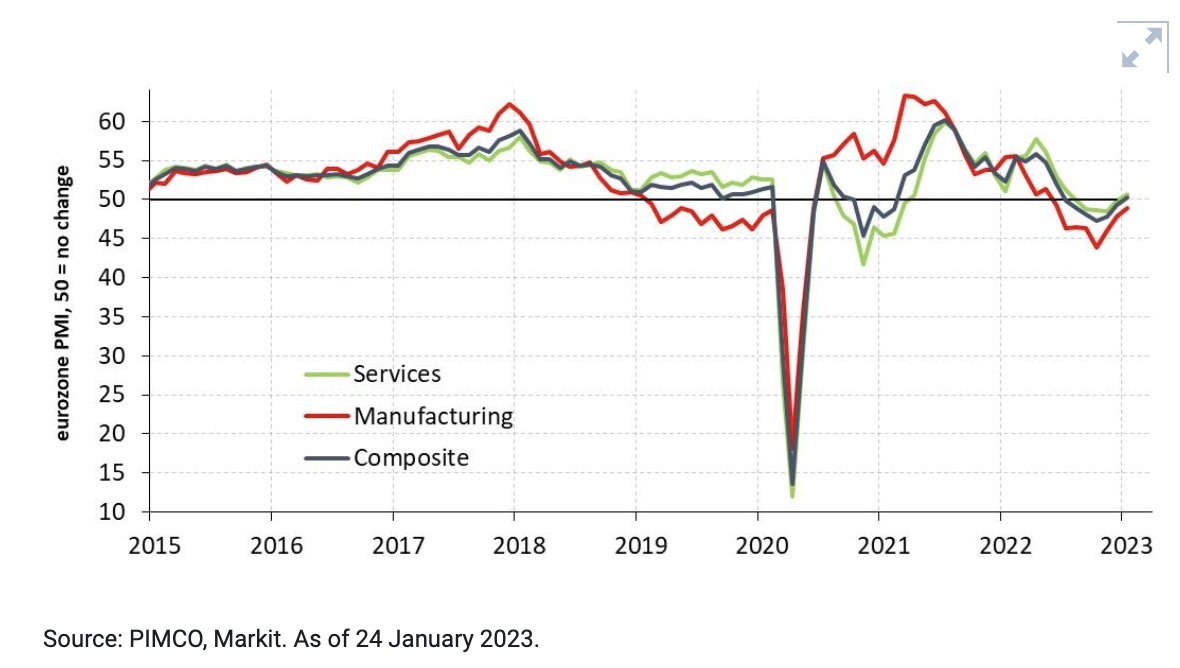
Yesterday, we got our first look at December’s economic data for Europe, in the form of PMIs.
Investors are still recovering from the municipal market beatdown of 2022, but the current higher absolute yield levels provide an attractive “re-entry” point for municipal market investors.
When we think about generating income for our clients, for over 30 years we’ve thought the most efficient way to do this is to blend the two key risks of fixed income into one portfolio.
The Northern Trust Economics team shares its outlook for key markets in the month ahead.
The US Purchasing Managers Composite Index (PMI) increased in January to 46.6 from 45 in December, representing a slowing economy but slightly less pessimistic than expected and better than the month before.
U.S. equities finished mixed in a lackluster trading session, as Q4 earnings season shifted into a higher gear today.
2022 was a banner year, and not in a good way.
Anne Walsh, Chief Investment Officer for Guggenheim Partners Investment Management, joined Bloomberg TV in Davos to discuss the outlook for credit as recession nears.
Joe Biden entered the Oval Office with relatively low approval ratings.
A recession is two consecutive quarters of economic contraction.
Drew O’Neil discusses fixed income market conditions and offers insight for bond investors.
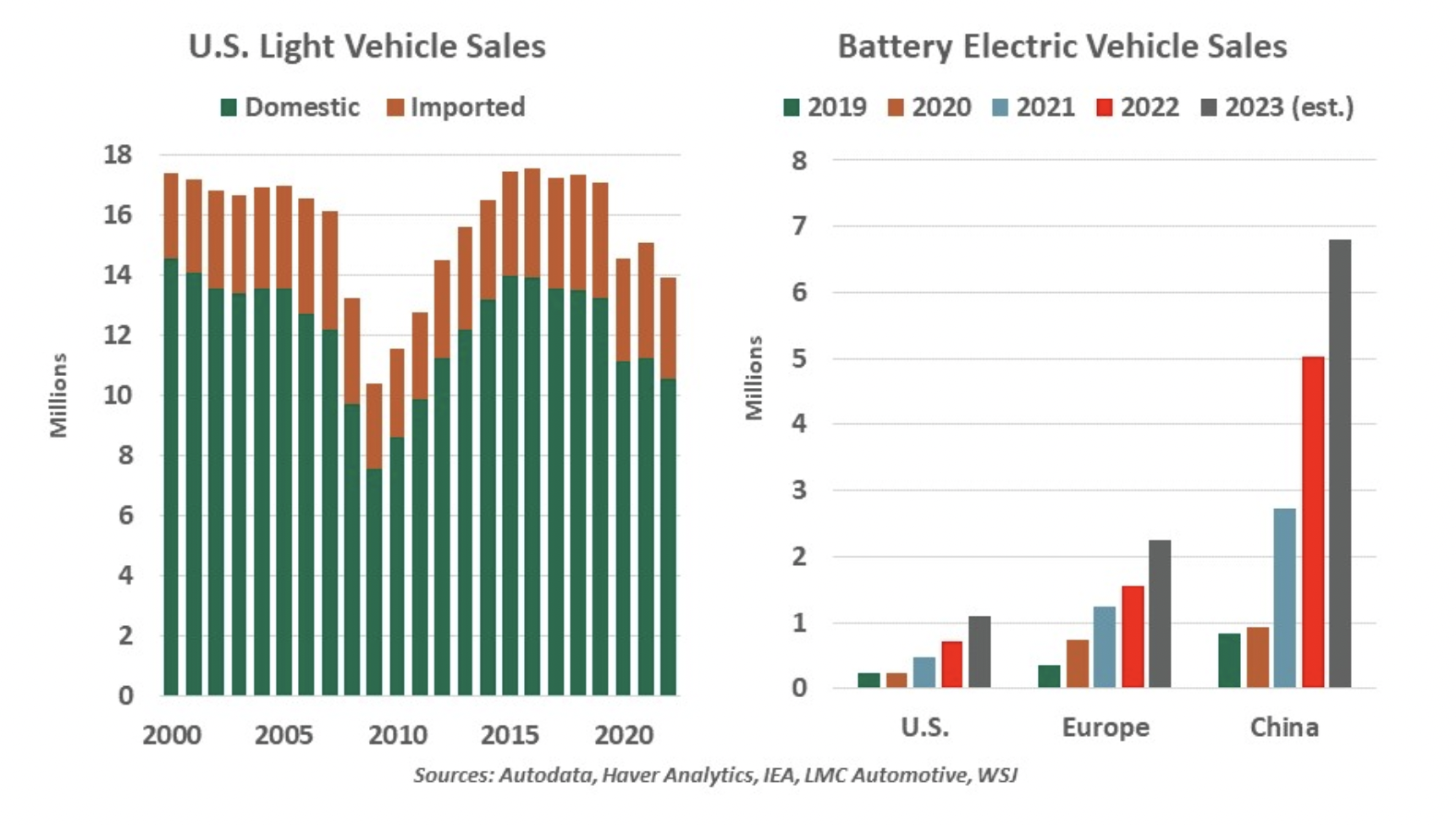
America's subsidies for domestic EVs have created new tensions with Europe.
The first and easiest leg of the bursting of the bubble we called for a year ago is complete.
The Loomis Sayles Investment Grade Sector Team shares their expectations for the IG corporate bond market in 2023.
First, the good news: we estimate that real GDP grew at a solid 2.8% annual rate in the fourth quarter.
The problem with speculation is that there’s usually a gap between the underlying risk and the inevitable outcome.
2022 was a year of disappointment and negative surprises as economies faced the consequences of geopolitical turmoil and central banks fighting inflation.
U.S. stocks are extending a late last-week rally, with Q4 earnings season set to shift into high gear.
We got consumer price reports for many European countries this week.
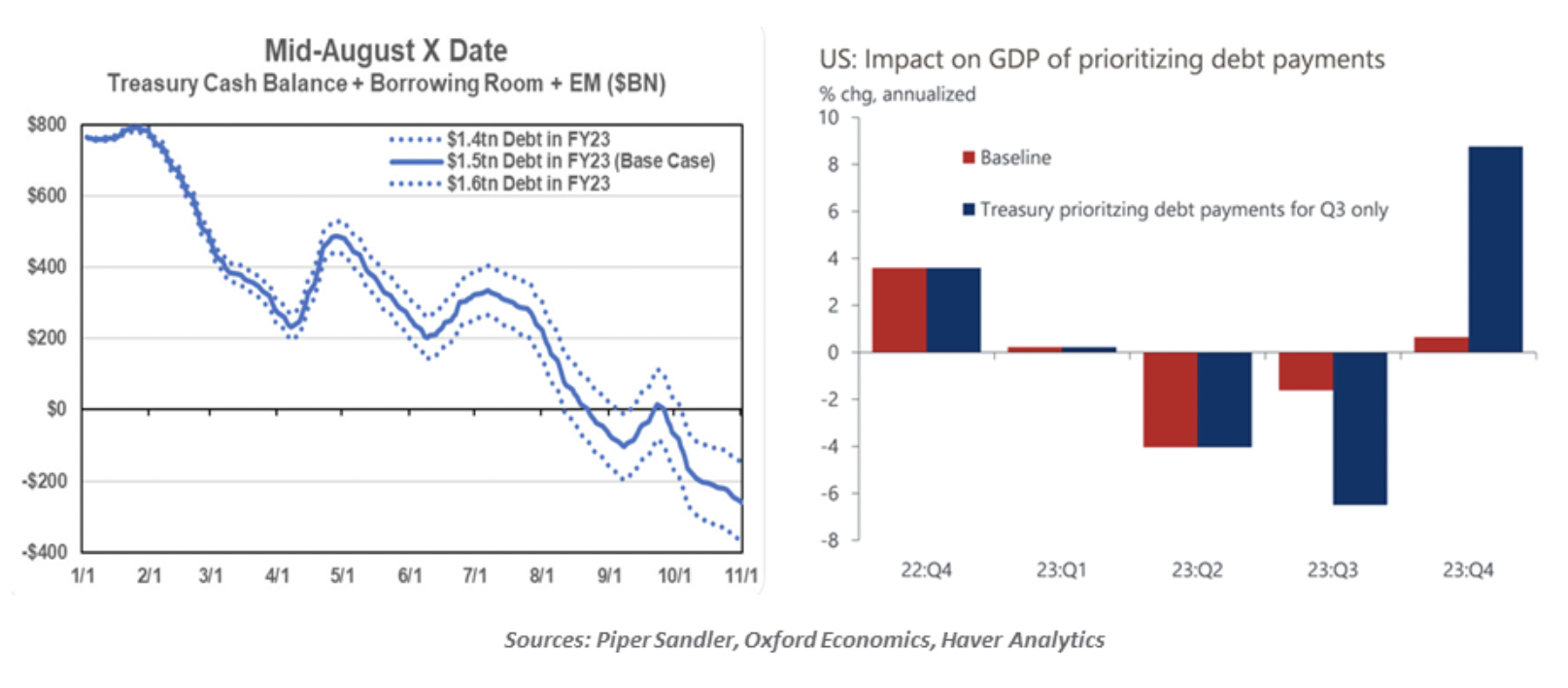
A fiscal disruption could do great damage to the U.S. economy.