The recent dominance of the “Magnificent 7” technology names may help fuel the common belief that a single stock portfolio is the best way to deliver extraordinary returns.
In 2025, SECURE 2.0 introduces mandatory automatic enrollment in new retirement plans, increased catch-up limits for certain workers, and reduced participation requirements for long-term part-time workers. Our Mike Dullaghan highlights the details of the new provisions.
In a first quarter 2025 asset allocation report, Confluence expects resilient economic growth in the short term.
VettaFi discusses tariffs and transportation ETFs.
2025's complex market environment lays the groundwork for active bond strategies to potentially shine, according to MFS and AllianceBernstein.
January is in the books, and markets are still waiting on a big rebound in the dealmaking space. Investors rooting for increased M&A and a flurry of IPOs will have to be patient as Q1 tracks with continued low counts on both fronts.
Our latest article, authored by renowned strategist Martin Pring, dives into the evolving dynamics of inflation, commodity prices, and interest rates. Despite recent rate cuts, the bond market appears to be echoing Martin's earlier warning. The business cycle is moving toward a critical stage—one that historically signals a surge in commodities and potential shifts in CPI inflation.
Bullish exuberance is returning to the markets and the economy in a big way following the Presidential election.
We analyze the impact of U.S. tariff proposals on markets and how investors can manage their portfolios accordingly.
Factories across the world are growing increasingly idle. Global industrial capacity utilization (CAPU) has fallen significantly, and a rising unemployment rate has followed suit, signaling that the available factors of production globally are progressively more redundant.
Like most incoming administrations, President Trump entered office with a desire to do things differently than his predecessor, and he is certainly doing that.
The equity market appears to be showing signs of broadening beyond technology.
Many market observers are forecasting leadership from active fixed income exchange traded funds this year.
Prepare for 2024 taxes by organizing forms, documenting charitable contributions, maximizing retirement savings and reporting rental income.
The ETF industry reached a significant milestone on Wednesday, as there are now over 4,000 ETFs trading at the same time.
After the trade war’s opening salvoes, tensions seem set to last for some time.
Despite still elevated domestic inflation, weak growth and inflation projected at target this year strengthen the case for further rate cuts.
Last week’s volatility in AI-related stocks shows markets are learning in real time about the transformation underway.
Stocks rallied in early 2025 as market leadership shifted, with Large Cap Value outperforming growth stocks, while a major AI development from China triggered a sell-off in U.S. technology stocks, raising concerns about the future of AI leadership and high-end chip demand. For investors the implications are more significant for fixed income portfolios, while equities should continue to do well as long as the labor market holds up.
The costs and revenue of U.S. tariffs are being blunted by evasion.
After this week’s FOMC decision to hold the fed funds rate unchanged, markets and analysts concluded that Federal Reserve members had changed their views on inflation.
When constructing a portfolio, investors who are seeking income have a range of options to choose from.
With age comes some insights and as we head into 2025, now is as good a time as any to look back on some of the lessons from my investing career that have served me well.
The evolving high-yield markets make the case for a global, multi-sector approach to generating income.
The DeepSeek blip notwithstanding (our initial take on the news is here), January 2025 was a good month for financial markets. The S&P 500 was up a robust 2.7%, though Nasdaq lagged (largely due to DeepSeek, in our opinion) with “only” a 1.7% monthly return.
Mortgage-backed securities and MTGP’s steadiness against the backdrop of Fannie/Freddie privatization talk could be seen as a positive.
In the case of bond ETFs, it was a strong year in 2024, and key areas could be touch points for investment opportunities.
Technology stocks have been the poster child for growth in recent years. Other sectors deserve a closer look today.
Managers see mixed opportunities in emerging markets and a broadening opportunity set for small caps across global markets.
In this article, Russ Koesterich discusses why gold may continue to advance in 2025 despite a stronger dollar and elevated real rate environment.
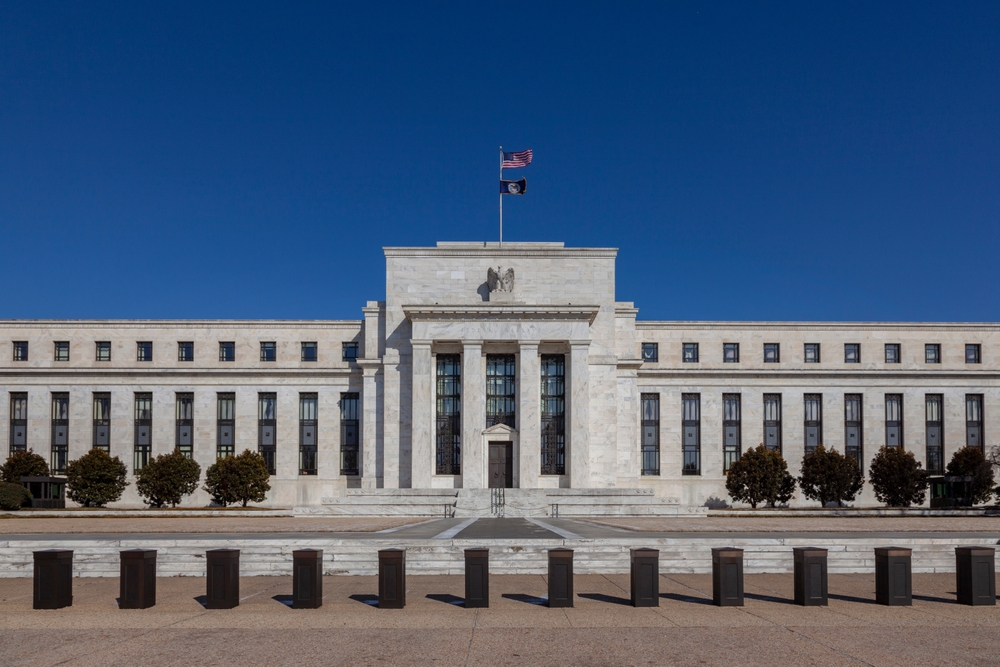
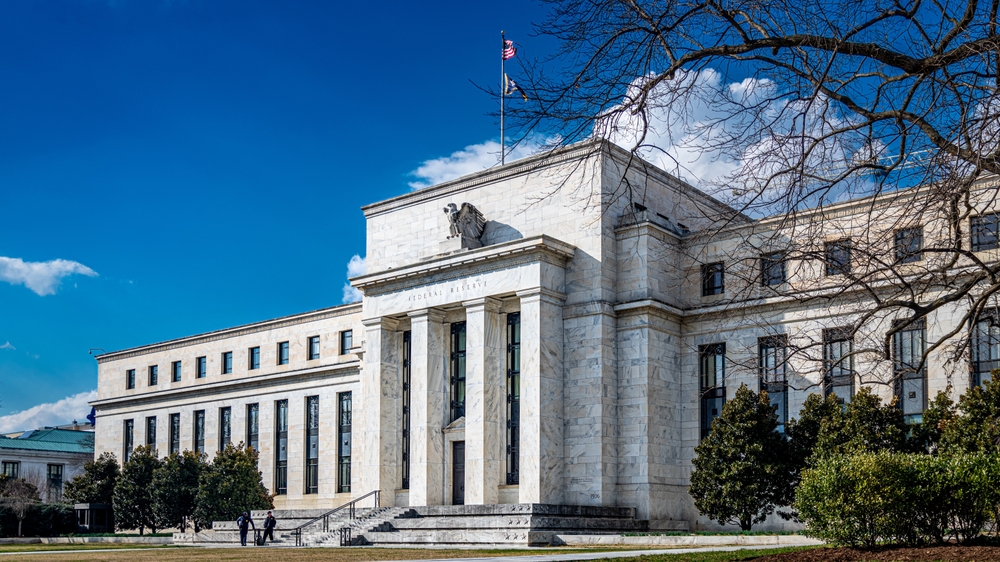
The Federal Reserve made it clear on Wednesday that it’s not about to cut short-term interest rates again anytime soon, which is good news if you’d like to see the Fed live up to its goal of bringing inflation down to 2.0%.
On Monday, markets were rocked by news that a Chinese Artificial Intelligence model, DeepSeek, performed better than expected at a lower development cost.
The Magnificent 7 kicked off fourth quarter reporting in a similar fashion to the Q3 season. Tesla once again missed expectations when they reported on Wednesday, on both the top and bottom-line this time (vs. only missing on revenues in Q3), yet investors seemed unbothered.
What a week! Markets were rocked by a series of developments—from AI news that could reshape the tech sector, to the Fed’s policy stance, and the tariffs on Mexico, Canada, and China that could inject fresh uncertainty into global trade.
Tariffs could upend the U.S. auto and energy sectors.
We suspect many investors today think the “American Exceptionalism” they studied in high school or college no longer applies to the U.S.
Economic indicator SPDR S&P 500 ETF Trust (SPY) fell 1.01% last week while the Invesco S&P 500® Equal Weight ETF (RSP) was down 0.53%.
This is not about China. I applaud the creativity of the DeepSeek developers and especially their ability to drive down costs. I am amazed they made it truly open-source and revealed everything.
A surprise is a completely unexpected outcome. By definition, a surprise is improbable, and its occurrence is rare. It seems strange then to try to predict three of them every year.
The artificial intelligence (AI) revolution is moving at lightning speed, and one of the biggest stories this past week underscores just how critical the technology has become—not just for Silicon Valley, but for America’s national security and global competitiveness.
Karen Carpenter was one the greatest singers of my lifetime. One of her biggest hits was called, “Top of the World.” The key line of the song says, “I’m on top of the world looking down on creation and the only explanation I can find, is the love that I’ve found ever since you’ve been around, you most put me at the top of the world!”
Jeff and Ron Muhlenkamp discuss ongoing inflation and modest but steady GDP growth. In 2024 stock markets mirrored 2023, with AI-related tech companies driving growth, while long-term bonds yielded little.
For the first time since the Fed began cutting rates at their September FOMC meeting, the voting members decided to keep rates unchanged to begin 2025.
In this video, Chuck Carnevale, Co-Founder of FAST Graphs, a.k.a. Mr. Valuation, will go over PepsiCo (PEP) for Dividend Growth Investors while utilizing FAST Graphs, the fundamentals analyzer software tool.
The fourth quarter was particularly volatile in fixed income markets, with U.S. government bond yields surging on worries over the rising fiscal deficit and the potential for inflation to reaccelerate.
After cutting rates at the past three meetings, it looks like the Federal Reserve has reached a plateau.
Following 100 basis points in rate cuts through the back half of 2024, the Fed started 2025 with a pause, placing itself in wait and see mode for the foreseeable future.
The higher yields they currently offer can be a benefit for income-oriented investors, but those yields reflect the additional risks they face.
Facing an uncertain outlook, the Federal Reserve holds rates steady and signals a watch-and-wait approach.
In 2025, the SECURE 2.0 Act boosts retirement savings with new rules for higher catch-up contributions, auto-enrollment and expanding access to savings plans. Our Bill Cass shares the highlights.