We believe private credit is an attractive investment with greater market coverage and a timely opportunity to benefit from the scarcity of fresh capital.
Doll’s Deliberations this week summarizes some short-term expectations and some longer-term issues.
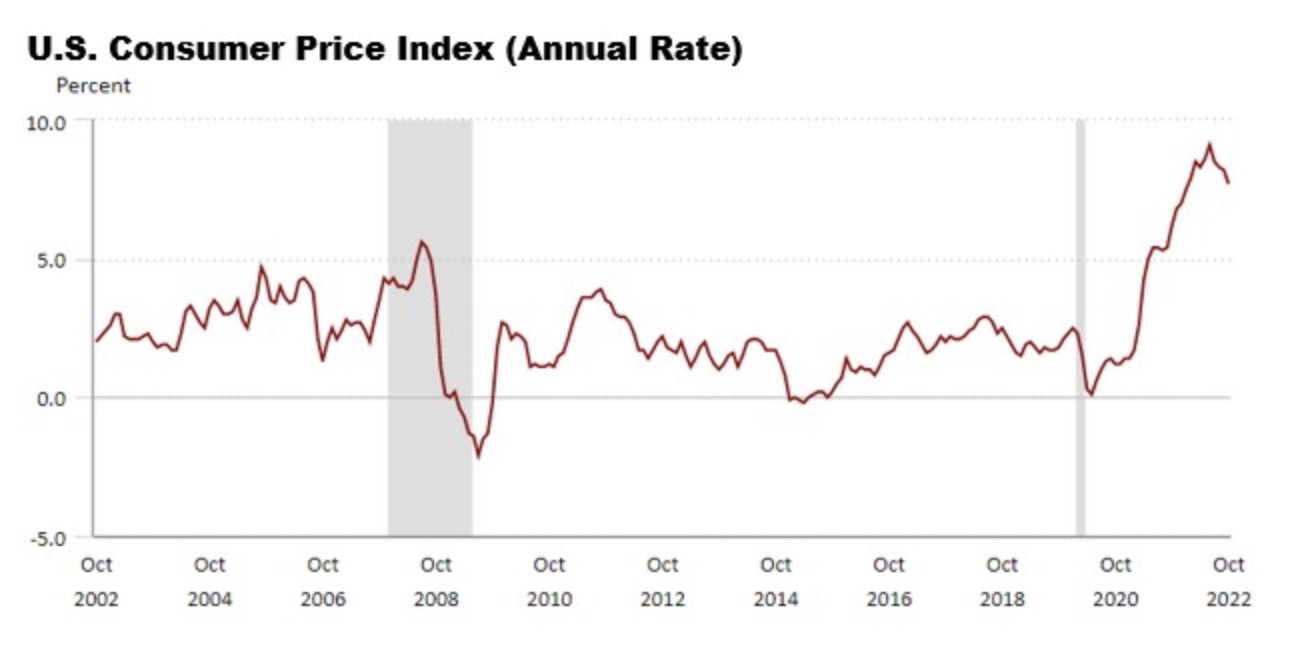
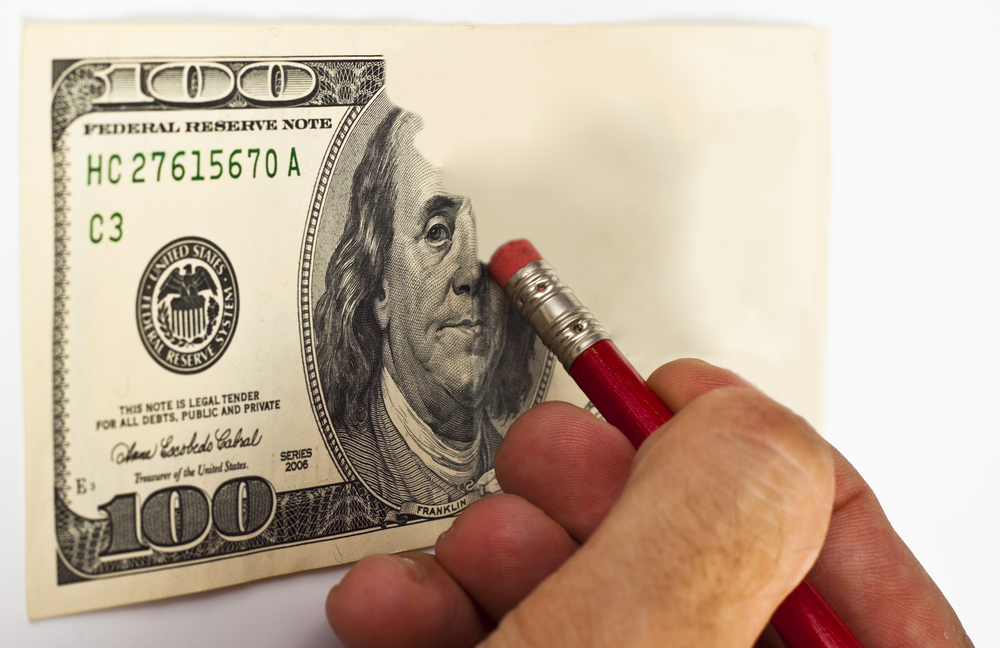
Some people are suggesting that the Federal Reserve consider a compromise in its battle with rising prices: Instead of imposing the full monetary tightening required to get inflation back down to its 2% target, why not increase the target a bit?
The US housing market is in an uneasy state of equilibrium.
In this year’s global economic crisis, no two regions are having identical experiences. While inflation rages across much of the world, price rises have been more moderate in some countries than others. Similarly, the scale of rate hikes and the degree of recession fears aren’t uniform.
The US Inflation Reduction Act passed in August contains tax and investment incentives for a number of clean-energy technologies, including electric cars, solar panels and wind turbines. But the 750-page document also features a 30% tax credit for a lesser-known player in the push for energy efficiency: dynamic glass.
You might think a stock price is just a number, but it has symbolic and practical importance, especially in the US.
It’s that special time of the year, and we will all hear and read a great deal about Black Friday, Thanksgiving Weekend, and Cyber Monday during the next few days. Many pundits are going to make sweeping conclusions about the economy based on these very limited reports.
There’s a big “open secret” in Silicon Valley that’s spreading, one that has already reached three-fourths of FANG. But the market has yet to recognize its impact on one remaining company.
Following the weaker-than-expected October inflation report, stocks surged on hopes the Fed will “pivot” sooner than later. As we discussed recently, a “policy pivot” is not necessarily bullish but instead suggests more bearish market action will come first.
MegaThreats, Nouriel Roubini’s latest full-length offering, puts his Olympic-class pessimism on full display.
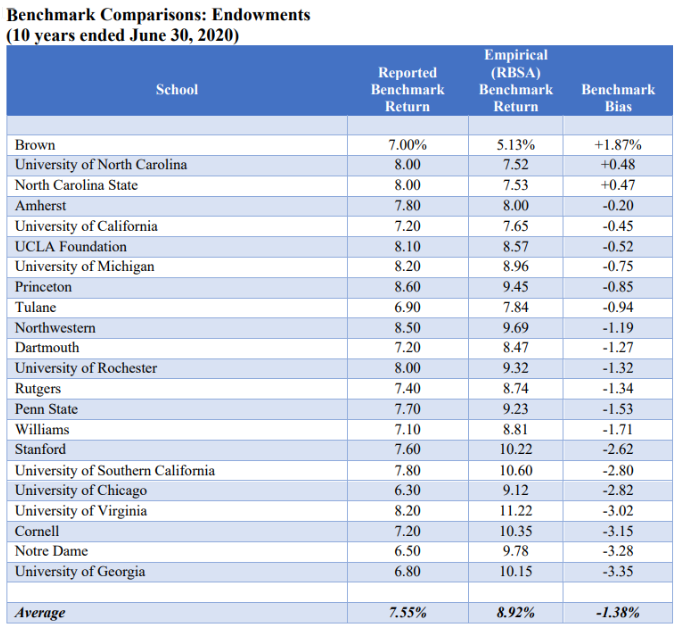
Don’t trust analysis from managers that shows they have outperformed an appropriately selected, passive benchmark. That is true for mutual funds, and new research shows it is equally accurate when it comes to endowments and pension funds.
Emerging markets have been rattled by inflation, weakness in China’s growth and the war between Russia and Ukraine. Wave after wave of bad news came in 2022; however, there are reasons for optimism as we approach 2023. Emerging markets are resilient and better positioned than developed markets to face the uncertain environment and lead the global recovery.
Technology megatrends transform society, and there is a hugely significant fourth wave on the horizon.
BMW AG is doubling its investment at its Hungarian factory to €2 billion ($2.1 billion), adding a high-voltage battery assembly facility that will create more than 500 jobs.
The global economy’s dire and deteriorating prospects, together with the scale of the climate challenge, have apparently opened world leaders’ eyes to the risks that deglobalization poses. But it remains to be seen whether this realization will be followed by the action needed to reverse course.
Everyone seems to be paying more attention to the cost of goods and services these days. But there is one cost that many investors pay without realizing it – the cost of taxes on their portfolios. Here's why this cost matters and what you can do to help your clients avoid it.
This week, around my trip to a far-too-cold Denver, then to Dallas, and ultimately Tulsa to spend the Thanksgiving holiday with family, Keith and I did a 45-minute "interview" via Zoom. Less an interview, perhaps, than the two old friends catching up. I was surprised how many topics Keith and I aligned on perfectly, though our few disagreements about what comes next made for a great debate.
Americans who work remotely, either full-time or part-time, can save between $2,000 and $7,000 in transportation and work-related costs. They can also gain back the equivalent of two to three weeks per year in commuting time.
Any time you neglect to maximize diversification, whether to chase active management, indulge personal intuition or save trouble, you need to think carefully about whether you are getting paid enough for the additional risk.
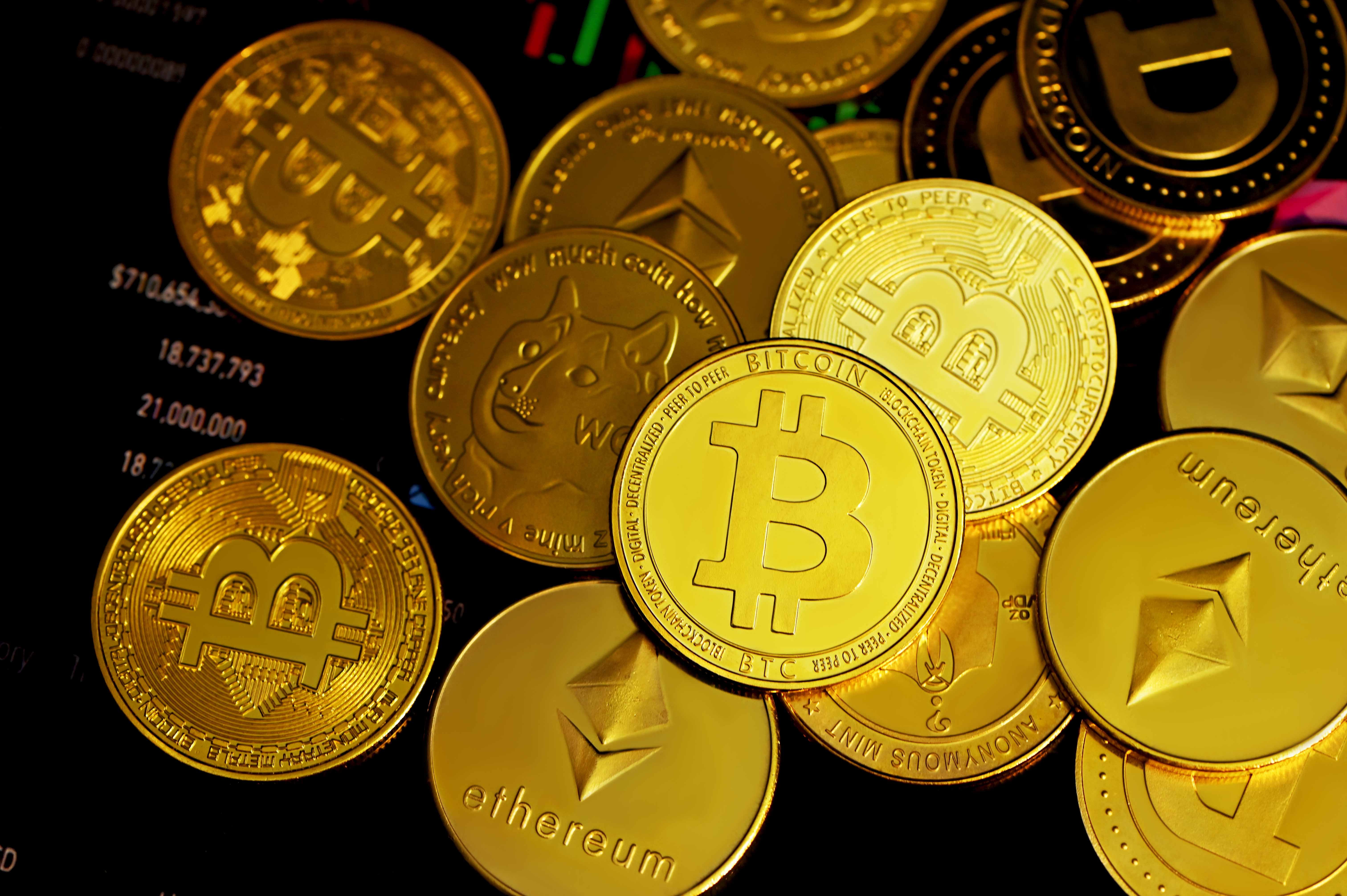
Historic turmoil in cryptocurrency markets sparked by FTX’s implosion hasn’t stopped one funds issuer from moving forward on a new investment product tied to Bitcoin.
Under the surface of one of the quietest weeks on Wall Street all year, some money managers are renewing speculative bets, hoping against hope that a more friendly -- or at least less-hostile -- Fed, is back in their corner.
Vivek Tanneeru, portfolio manager, sees structural and cyclical tailwinds converging for emerging markets equities.
In one of the most challenging years for markets, 2022 brought persistently high inflation, aggressive central bank tightening and heightened geopolitical risks, leaving investors with few places to hide.
The US Securities and Exchange Commission’s draft plans to overhaul rules for the stock market would also expand its oversight of bond and options trading.
The chorus of strategists turning bullish on Chinese stocks is getting louder by the day, with Bank of America Corp.’s Michael Hartnett the latest to recommend the nation’s equities as a top buy for 2023.
The following is a loose collection of random thoughts and observations on the Russian invasion of Ukraine. Rather than a coherent article, I offer some insights that have emerged as the war has dragged on.
Applications for US unemployment benefits rose last week to a three-month high amid a wave of layoffs at technology companies, a sign of cooling in a tight labor market.
One of the reasons we formed RBA in 2009 was we thought the US was entering perhaps the biggest bull market of our careers.
More Americans are tapping their 401(k)s for financial emergencies, with the percentage of retirement savers pulling money for hardships spiking 24% in the 12 months through Sept. 30, according to new data.
Historically, soaring oil prices have been bad for the US economy because they squeeze US consumers and producers, and often are happening when the Federal Reserve is raising interest rates to rein in inflation.
A lack of reliable ESG data in emerging markets is proving a boon for some of the heavyweights of global finance.
Microsoft Corp. agreed to buy a massive amount of clean energy to power a data center in Ireland, making it the second biggest corporate power-purchase agreement deal so far this year.
Amazon.com Inc. spooked investors last month when it predicted the slowest holiday season growth in its history.
Is a “hard landing” coming, economically speaking, as the Fed continues its most aggressive rate hike campaign in 40 years?
A high level Fed official warned last Thursday that the Fed Funds rate might have to go to 5%-7% to get inflation under control.
Let’s look at four keys to building trust through deeper relationships.
U.S. equities are rising, although no notable directional drivers seem to be in play amid the holiday-shortened week, with the markets closed on Thursday for Thanksgiving and trading in a half day on Friday.
And up and down.
The Wall Street Journal reported last week that the National Association of Home Builders’ (NAHB) sentiment about the future was 33% and at its lowest since 2012.
Wall Street’s waning conviction in Coinbase Global Inc. has done little to deter Cathie Wood. Instead, she’s been scooping up shares of the struggling cryptocurrency exchange in the wake of the collapse of Sam Bankman-Fried’s FTX.
The great quantitative easing experiment was a mistake. It's time central banks acknowledge it for the failure it was and retire it from their policy arsenal as soon as they’re able.
Amundi SA is removing the European Union’s highest ESG designation from virtually all funds that once carried it, as it joins a growing list of investment firms that have been wrong-footed by a change in regulatory guidelines in the bloc.
Recessions are like forest fires – small ones are healthy for the forest. However, the longer you suppress fire, the more dead material the forest accumulates. Eventually, when it does pay a visit, it is more devastating and its effects are more long-lasting. The recession that is coming could be a big fire.
Advisors and their clients need to manage pressures they have not seen for 20 years: market volatility, inflation, rising interest rates and potentially higher taxes. With fixed income not holding up as a low-risk part of the portfolio, it is time to look at other strategies to protect client portfolios.
Right now, investors are getting worried because the yield curve has gotten very inverted — more inverted than it was in the lead-up to either the 2001 or 2008 recessions.
What is the cost, at this month’s market prices, of achieving the standard of living actually attained in the base period?
It’s close. Exchange is only a few months away. With the financial community gearing up to descend on the Fontainebleau in Miami, Florida, February 5th through February 8th for the largest advisor-centric event in the country, advisors have a rare opportunity to mesh minds with the most creative people in financial management, fintech, and investing.
Once again, we are on the cusp of a nuclear renaissance. Actually realizing one requires something nuclear power isn’t known for: Speed.
All financial manias have some features in common.