The problem with speculation is that there’s usually a gap between the underlying risk and the inevitable outcome.
The long-term outlook for stocks remains questionable, as most of my leading indicators of risk assets suggest sub-par performance over the next year or so.
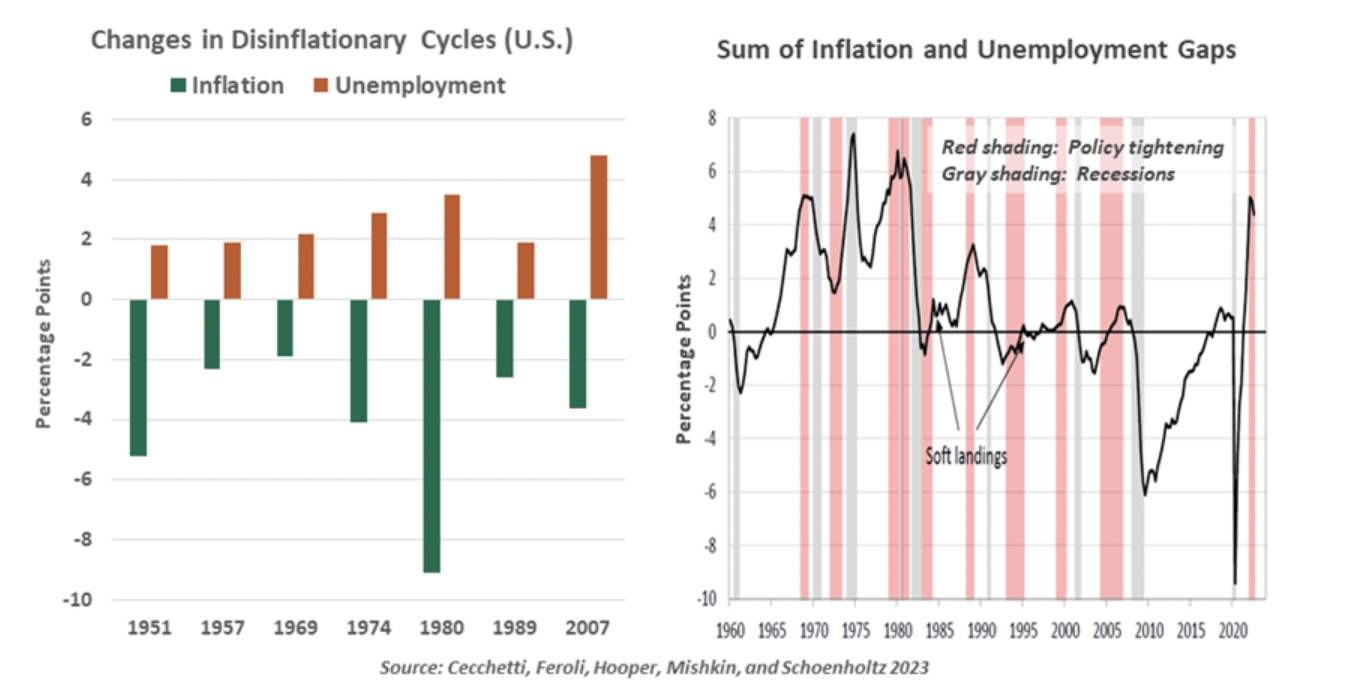
History shows a high risk of recession when central banks fight inflation.
Johnson & Johnson’s (JNJ) stock price has fallen approximately 13% since the beginning of the year. However, operating earnings are expected to increase modestly while operating cash flow is expected to increase 45% or more after dropping 1% in 2020 and 9% in 2022.
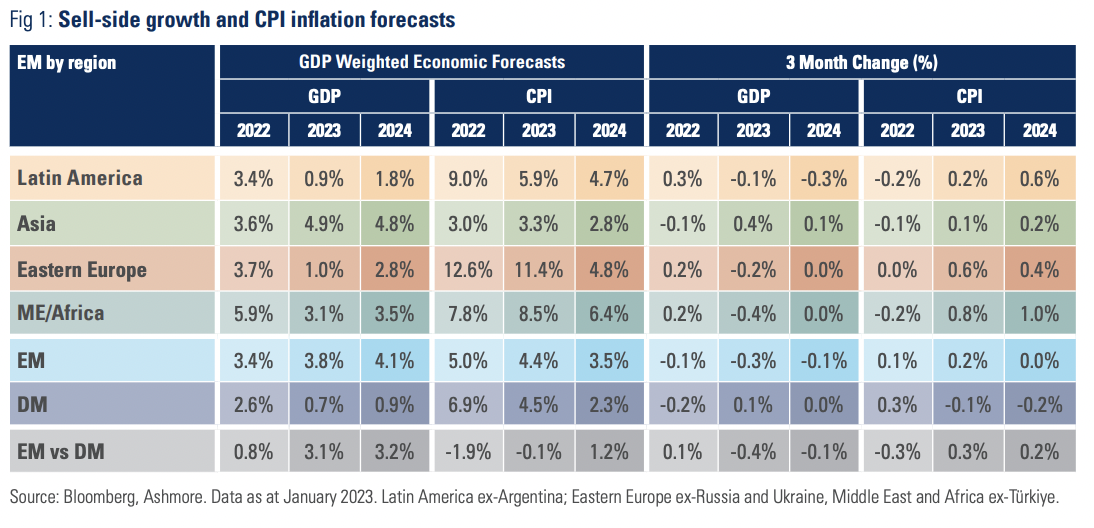
Investors in emerging markets (EM) have endured a decade of poor performance. But things may be changing. Based on The Economist magazine’s data comparing hamburger prices across countries, many EM currencies look cheap today—as they did 20 years ago before an extended rally of EM stocks and bonds.
While 2023 has started on shaky ground for the municipal bond market, there are reasons to be optimistic for more stability ahead, according to Jennifer Johnston, Franklin Templeton Fixed Income’s Director of Municipal Bond Research. She explains why California’s issues don’t reflect all states, and offers reasons for optimism.
Given the topsy-turvy nature of the market thus far in 2023, it remains crucial for investors to know what they are buying—especially as it relates to growth, value, and quality.
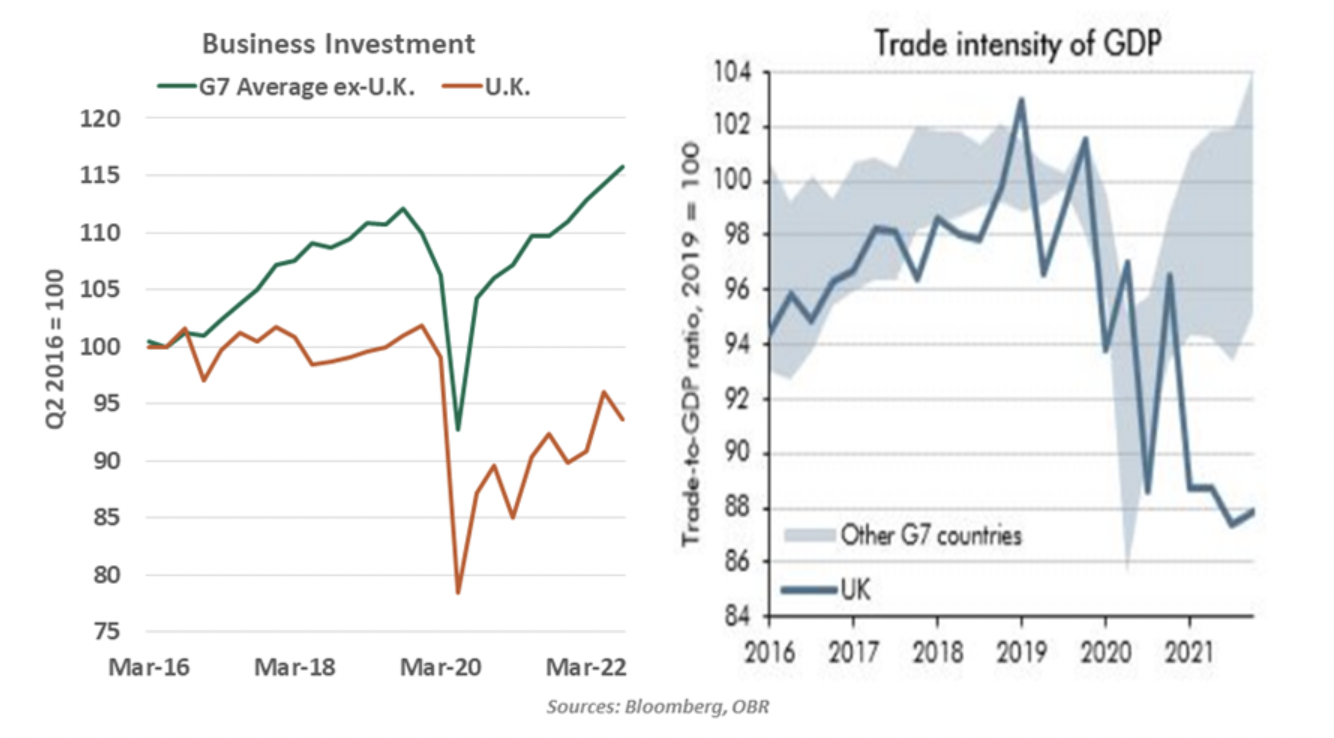
The reversal of decades of economic integration will leave the global economy with higher inflation and reduced growth potential. In this new era, governments, companies, and long-term investors will need to incorporate more sophisticated geopolitical and sociopolitical analyses into their strategies.
Soft landing or hard landing? Recession or no recession? In my mind, there is no question more important.
For decades since the end of the Cold War there have been very limited restrictions on foreign investments by US investors compared to those of other countries.
Read our latest insight to learn why we believe this year's market rally is just speculation and how we are positioning our portfolios for a change in leadership.
There were many good things to think about from Warren Buffett’s letter to shareholders which came out recently. In this piece, we’d like to drill down on two subjects that Buffett highlighted.
The planet’s billionaires are nearly $2 trillion poorer this year!
European stocks have outperformed this year as China’s economy restarts and the energy shock proved less severe than expected.
A revised approach to Northern Ireland will lower trade tensions in Europe.
Recently, many market commentators have been preaching the message that fixed income investors should stick to a low duration strategy.
In multiple ways, this is the most difficult time we have ever seen to make a forecast.
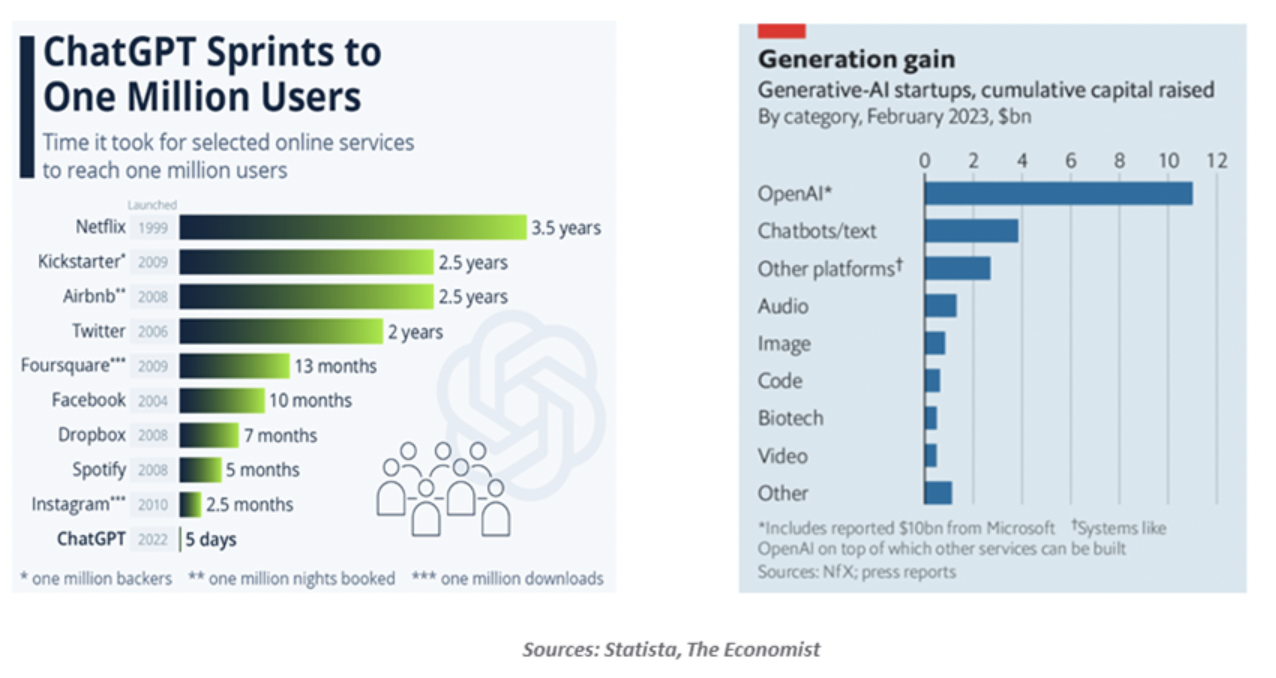
Artificial intelligence will reshape how a lot of work gets done.
More women in senior roles will support the long-term success and sustainability of emerging markets.
While there are certainly many complaints that “capitalism” is broken, such is not the case.
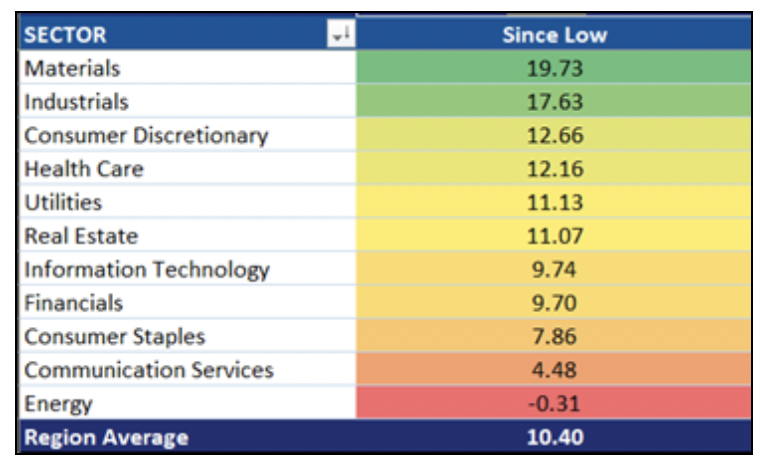
North American developed market large-mid stocks (United States and Canada) bottomed simultaneously with other developed markets on 10/12/22, recovering over 10% since then.
If you read and pay attention to the world, you probably know the recent past pretty well. And if you’re a history buff like me, you also know something about the more distant past.
Lufthansa’s blockbuster report is just the latest signal that commercial aviation, one of the hardest-hit industries during the pandemic, may be ready to make a landing again in investors’ portfolios.
Today’s inflationary market landscape is fraught with risks for investors. Despite these circumstances, Scott Welch and Kevin Flanagan outline how bond investors can generate yield.
While the sanctions regime imposed on Russia has dented its economy, it is far less severe than those imposed on North Korea and Iran, which included penalties on third-party countries. Imposing secondary sanctions could tighten the screws on Putin, but also accelerate deglobalization.
Review the latest Weekly Headings by CIO Larry Adam.
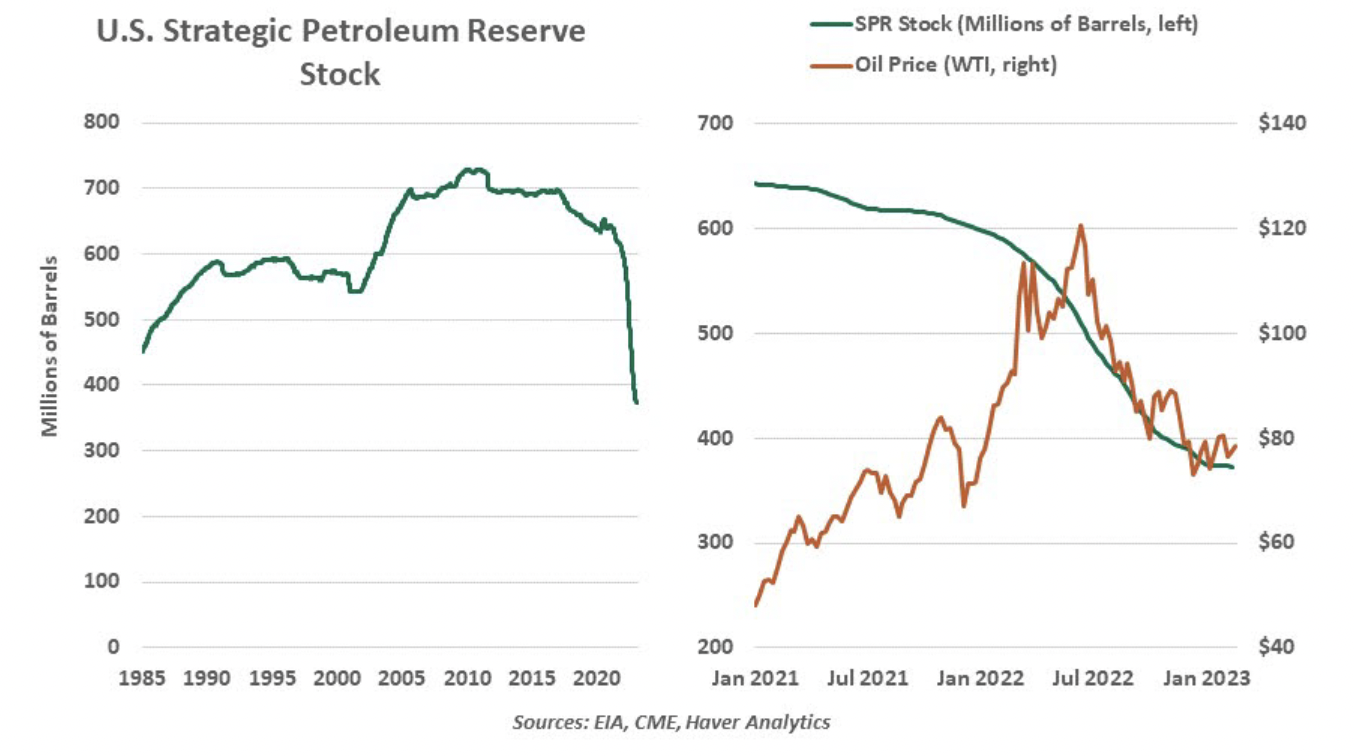
A drawdown to fight energy inflation has left the SPR at a new low.
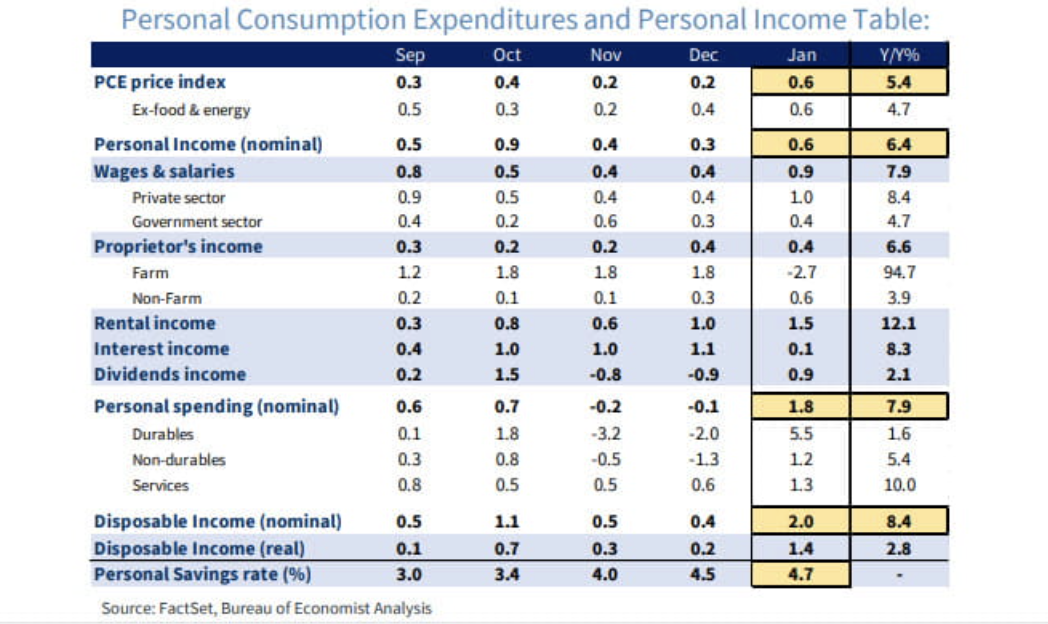
Economic growth and inflation have surprised to the upside so far in 2023, not only thanks to the reopening of the Chinese economy, but also due to the resilience of the labour markets.
A recent Wall Street Journal article discussed how retail traders that made millions during the pandemic trading the market are now mostly wiped out.
We just finished up our annual report on the $20 billion club, and we've concluded that 2022 was a weird year for pension plans.
Markets this month were unable to build upon January's momentum following speculation that the central bank will continue with interest rate hikes.
As fourth-quarter earnings rolled in with mixed results, the stock market opened the year in rally mode.
Medical Properties Trust’s dividend at the 2022 rate of $1.16 is safe even if Prospect, its third-largest operator, does not pay a single cent in 2023.
Last week, I spoke at the Mississippi CFA Society’s annual forecasting event.
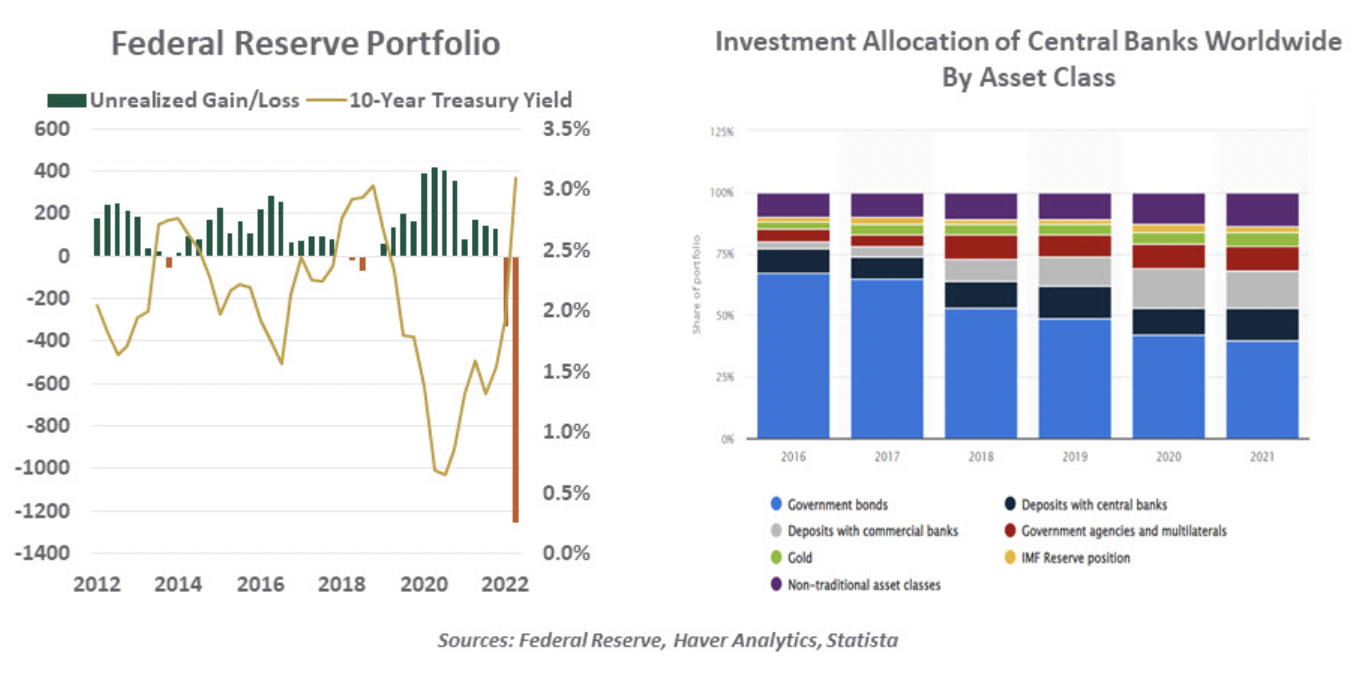
If marked to market, assets purchased during quantitative easing are in the red.
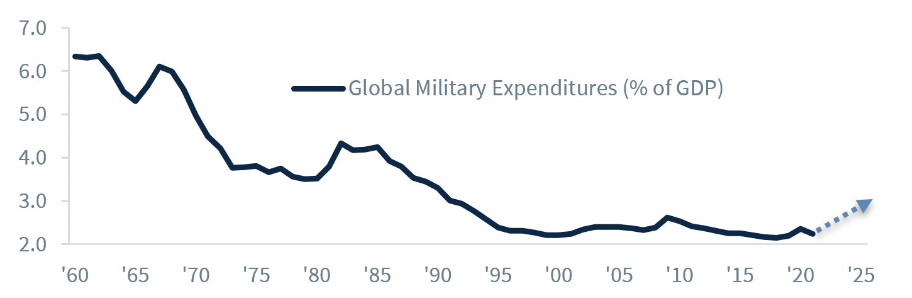
"We forgot that war is history’s favourite driver of inflation." -Niall Ferguson
In recent years we have witnessed a surge in sovereign bond defaults in emerging markets.
As a young stockbroker in the 1980s, I was very enamored with T. Boone Pickens.
Strength in employment and inflation has caused markets to raise the implied terminal rate while still expecting the Fed to normalize policy – which is different from easing – in 2024.
Making the case for international value investing—thoughts from Templeton Global Equity Group on why now’s the time to consider expanding one’s investment horizons.
U.S. stocks are subdued in pre-market action as the global markets remain choppy amid the backdrop of uncertainty regarding the ultimate impact of aggressive monetary policy tightening.
This commentary reflects on the silver linings of the higher interest rate environment as well as explores the possible winners and losers under this new regime.
Gold bugs started 2023 with high hopes after the precious metals sector showed impressive relative strength versus paper assets in 2022.
Chief Economist Eugenio J. Alemán discusses current economic conditions.
Over the past few decades, investors have become conditioned to expect that rising interest rates will trigger broader US financial market crises.
The war has been tremendously costly, in Ukraine and beyond.
Valuations have reset after a volatile year.