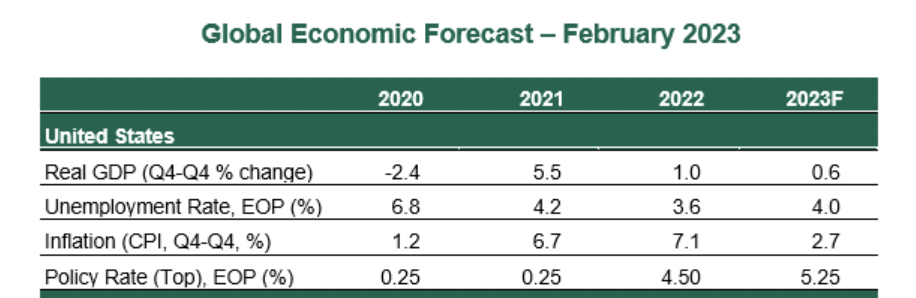
Economically speaking, bullish bets are mounting on a “no landing” scenario, which suggests the economy will avoid a recession entirely.
In the past few weeks, a growing chorus of economists and investors have decided that the pessimistic narrative had it wrong all along, that the US isn’t headed for a hard landing, which would mean a recession, it isn’t even headed for a soft landing, which would mean a prolonged period of low economic growth.
Debt isn’t forever but can definitely seem like it. That feeling is a clue you have too much debt. Wisely used, debt helps build income-generating assets that pay for themselves. The payments are manageable because you’re also getting something else of value.
Close to 90% of the world’s central banks are at some point in the process of creating their own digital currency. Are you ready?
Markets are unpredictable, which is one of many reasons it is difficult to consistently deliver alpha over long periods. In their latest commentary, our small cap growth team explains why their approach to managing the trade-off between risk and reward gives them the opportunity to outperform across market cycles.
One year after the invasion, Senior Sovereign Analyst Hassan Malik looks at the state of affairs in the Russia-Ukraine war and what has (and hasn't) changed.
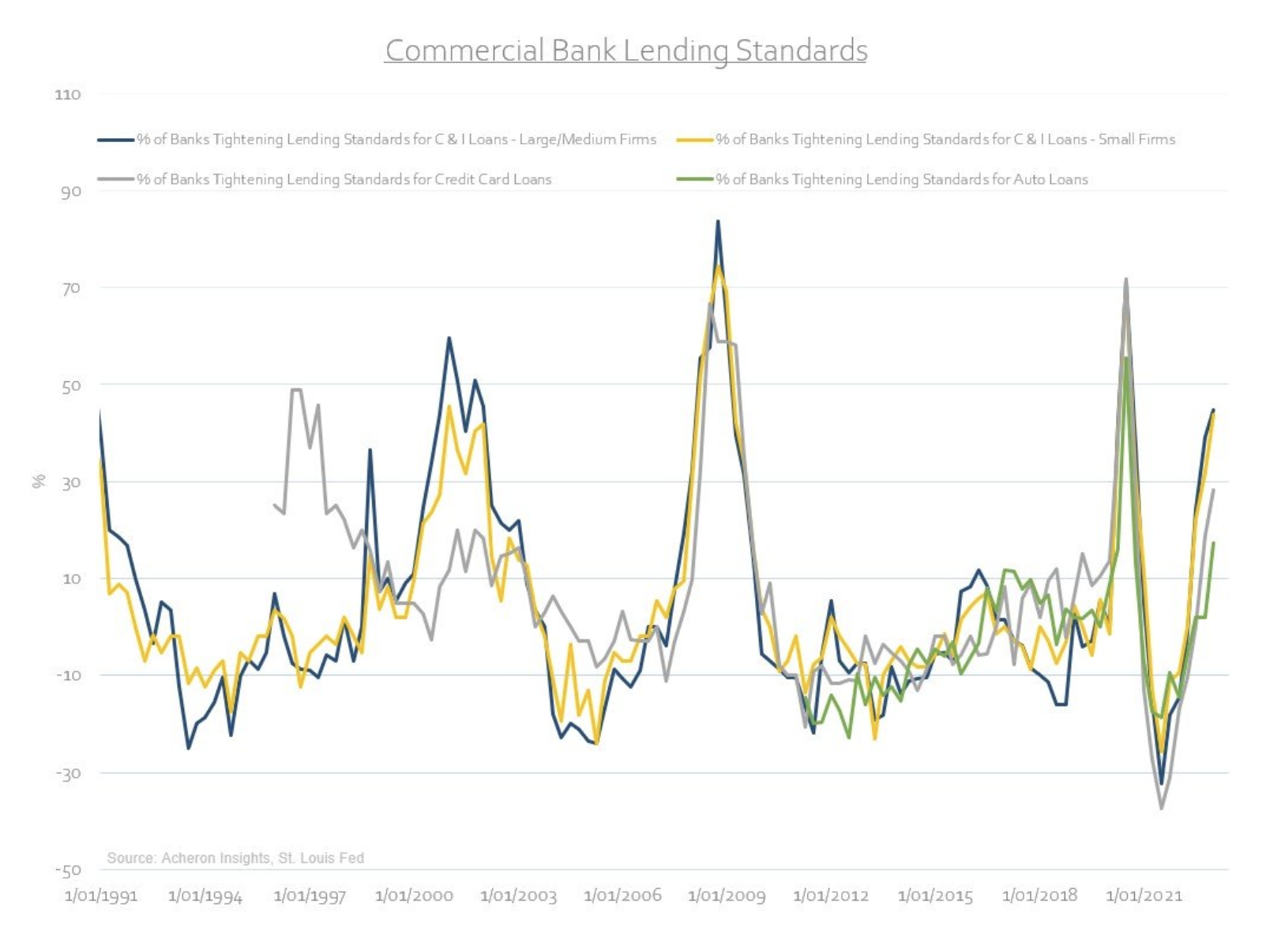
The credit cycle lies at the heart of our financial system.
Last week, we discussed why the more bullish technical formations were at odds with the many recession forecasts.
January’s Consumer Price Index (CPI) released this week by the Bureau of Labor Statistics moderated to 6.4% on an annual basis, down from December’s 6.5% and well below its peak of 9.1% in June 2022.
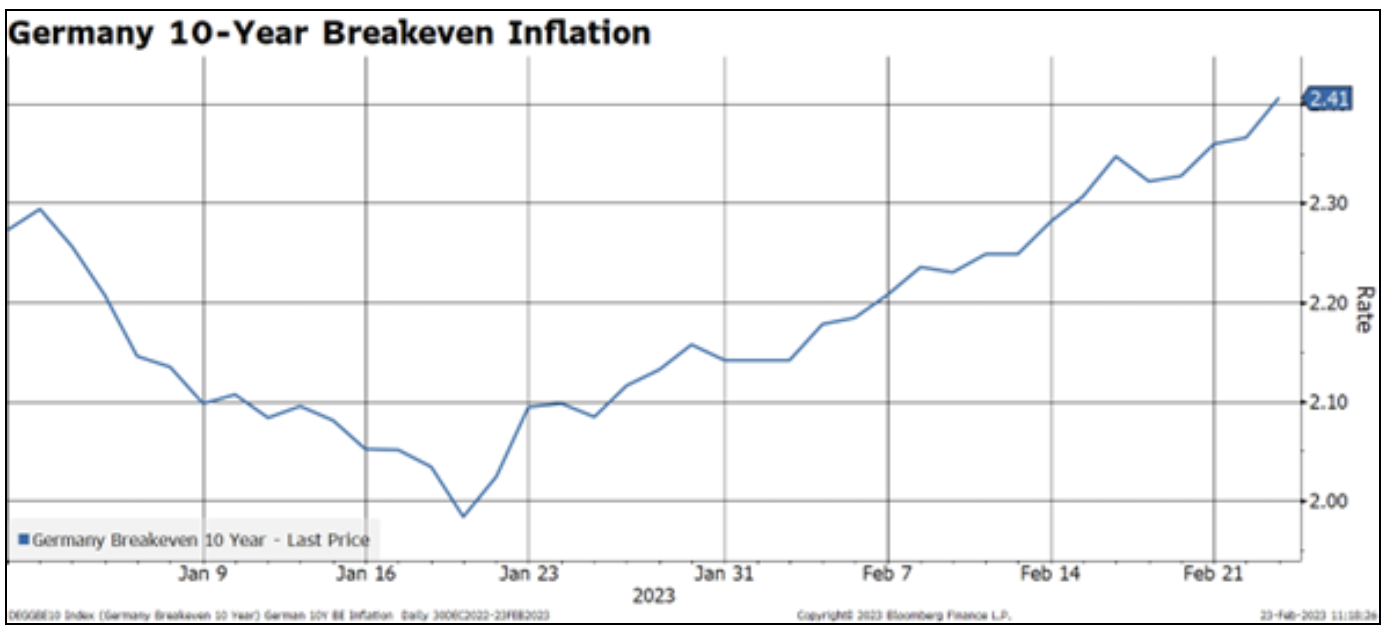
Investor concerns over the potential for poor European growth in the foreseeable future have eased thanks to the flurry of economic data coming out stronger than expected this year.
The S&P 500 is rising after falling the past four sessions as equites have shown some volatility amid festering uncertainty regarding the ultimate economic impact of aggressive global central bank tightening.
Bond markets are pricing in additional Federal Reserve interest rate hikes, acknowledging the central bank’s emphatic resolve to tame inflation despite the likely trade-offs.
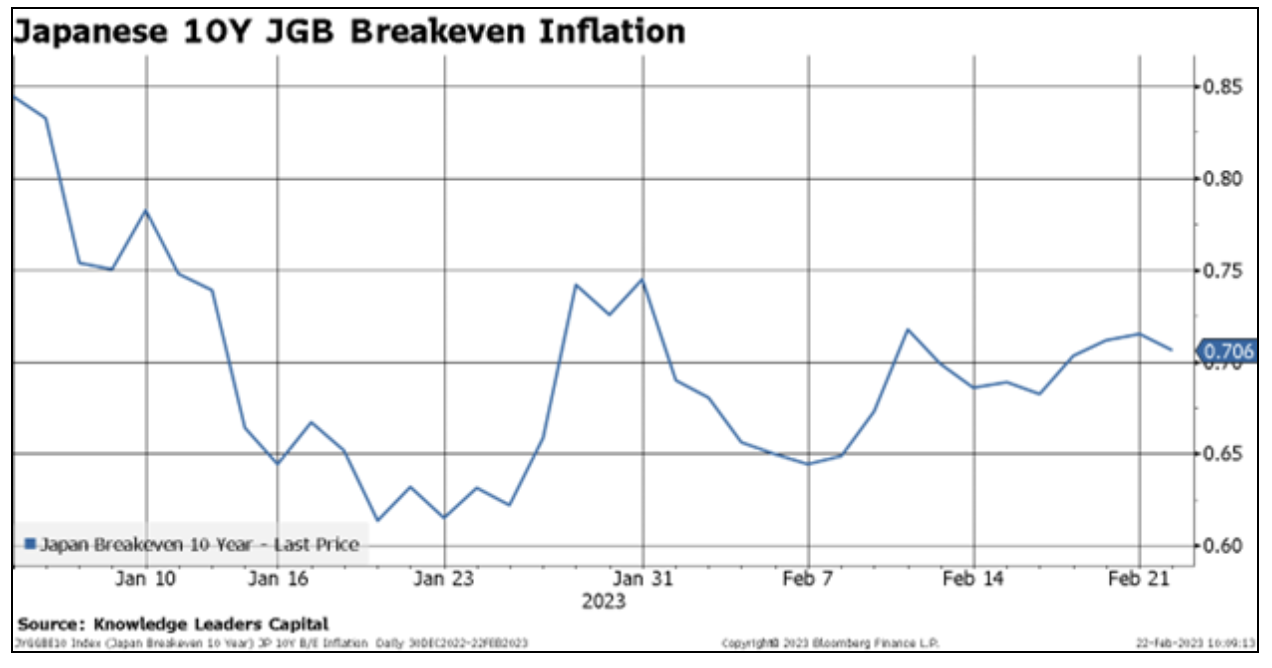
The Japanese Government Bond 10-year breakeven inflation has run contra to recent worldwide trends as one of the few sovereign rates of its kind to decline year to date.
The Northern Trust Economics team shares its outlook for key markets in the month ahead.
MPW’s dividend is safe.
Tighter monetary policy can lead to inverted yield curves, but is a recession inevitable?
On February 5, 2023, Charlie Munger sat down as the Chairman Emeritus of the Daily Journal Corporation (DJCO) to answer questions from shareholders and the public.
GMO 7-year Asset Class Forecast: January 2023.
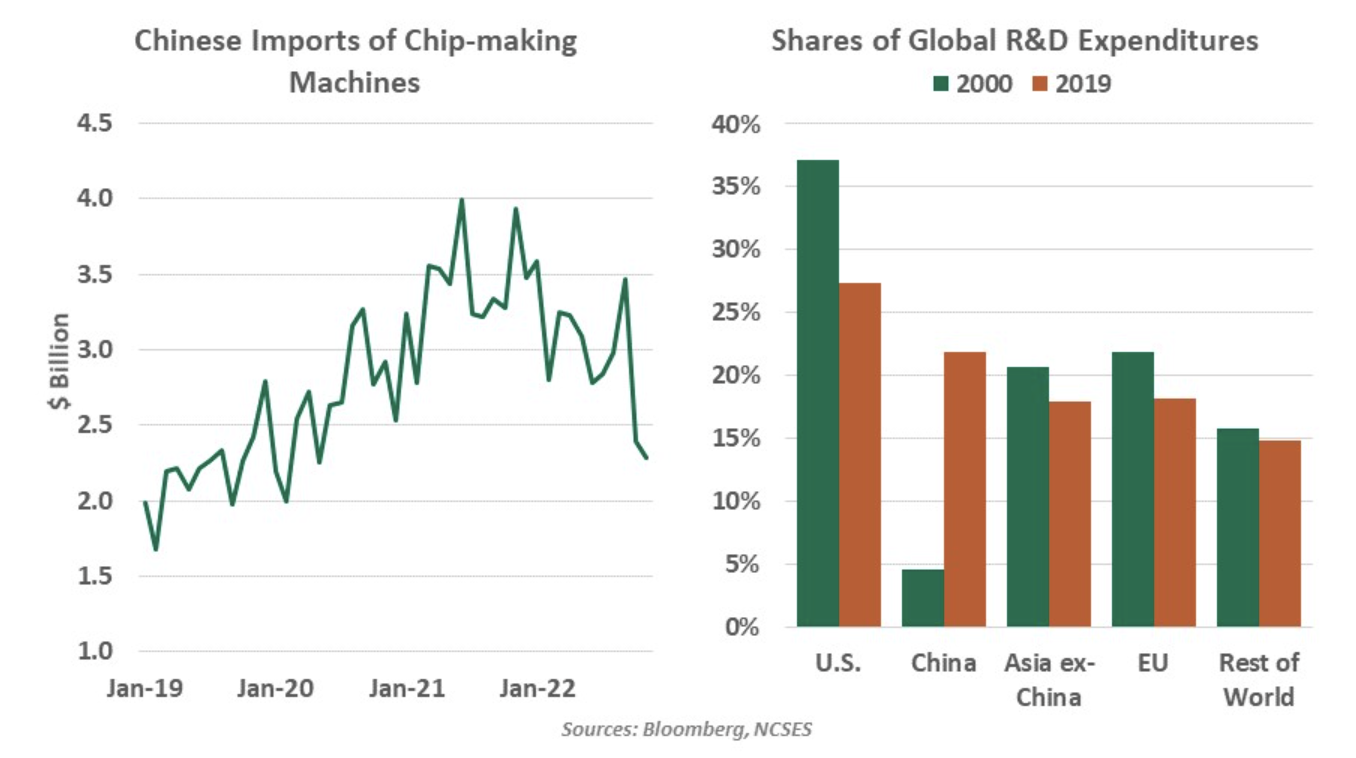
The U.S. needs to put in more effort at home to maintain its technological edge.
The common narrative is that we’ve (the US) been enjoying a long period of globalization and now that it is going into reverse, it will upend many of the benefits brought by globalization, to the US in particular.
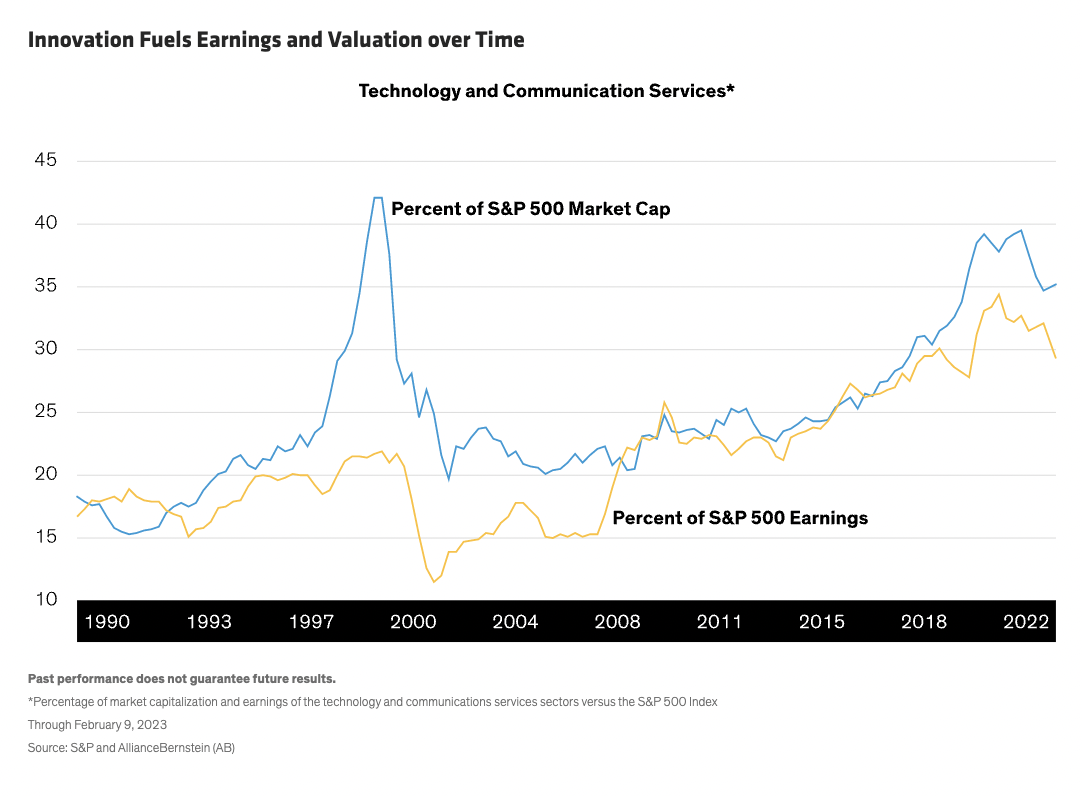
ChatGPT has ignited the world’s imagination about the power of artificial intelligence (AI).
Sound policymaking has helped India modernize and achieve robust economic growth, positioning it to become an increasingly important player on the world stage.
You can’t read or watch financial news these days without a heavy dose of speculation about what the Fed is going to do with short-term interest rates, when it’s going to do it, and how long it’s going to do it for.
A malinvestment bubble has persisted for years, sucking in a considerable amount of capital from many sources.
The market correction has started.
Something like the plot of Atlas Shrugged seems to be playing out across America.
Investors continue to seek signs of a change in season—and clues about how the Federal Reserve might react to it.
Many investors have attempted to capitalize on the inverted yield curve by purchasing long-term Treasuries (assuming continued declines at the long end will cause their bonds to appreciate). In his latest commentary, Venk Reddy, CIO of our Sustainable Credit Strategies, explains why he feels this approach is materially riskier than investing in short duration fixed income.
Federal Reserve officials like to call their decisions “data dependent.” Business leaders say it a little differently, often “data driven.” The point, in both cases, is something like: “We consider relevant data when making important decisions.”
Gold is nearing its strongest buy signal in four months as the U.S. dollar eases off a rally that’s carried the greenback to its highest point since early January.
The auto industry is navigating through shifting conditions in trade, policy, and preferences.
Review the latest portfolio strategy commentary from Mike Gibbs, managing director of Equity Portfolio and Technical Strategy.
The Northern Trust Economics team shares its outlook for U.S. growth, employment, interest rates and inflation.
As the financial services industry has evolved away from transactions and toward financial planning, an interesting shift has happened: more couples have started showing up in advisors’ offices to discuss their investments and their financial plan.
Stocks mixed around mid-day as investors digest data.
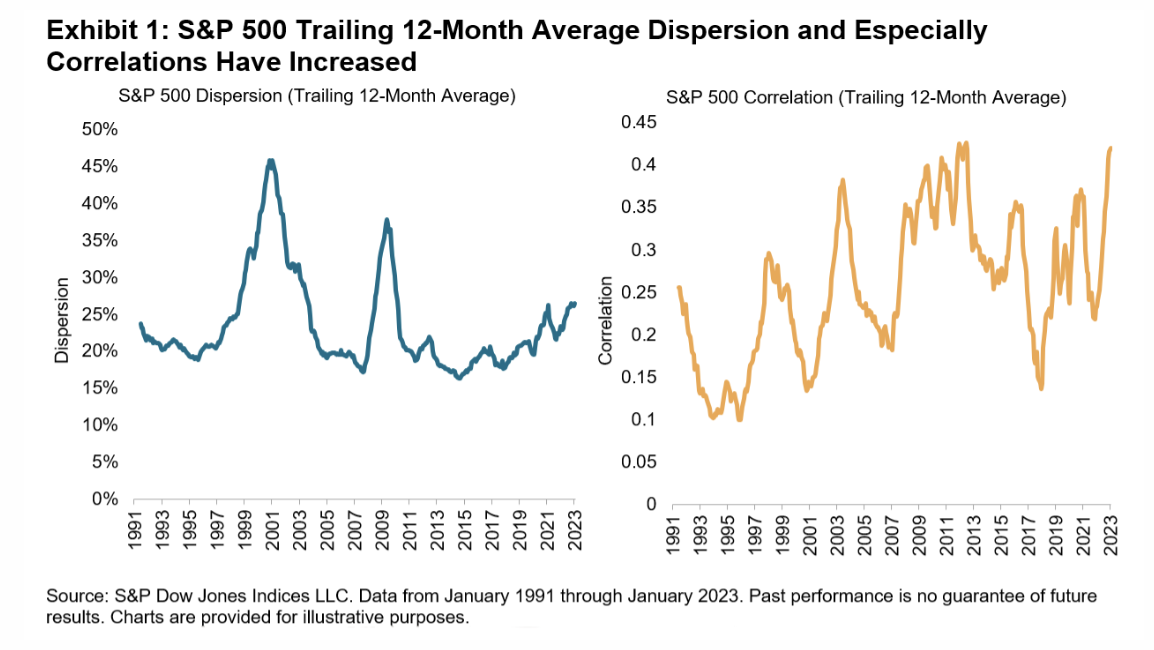
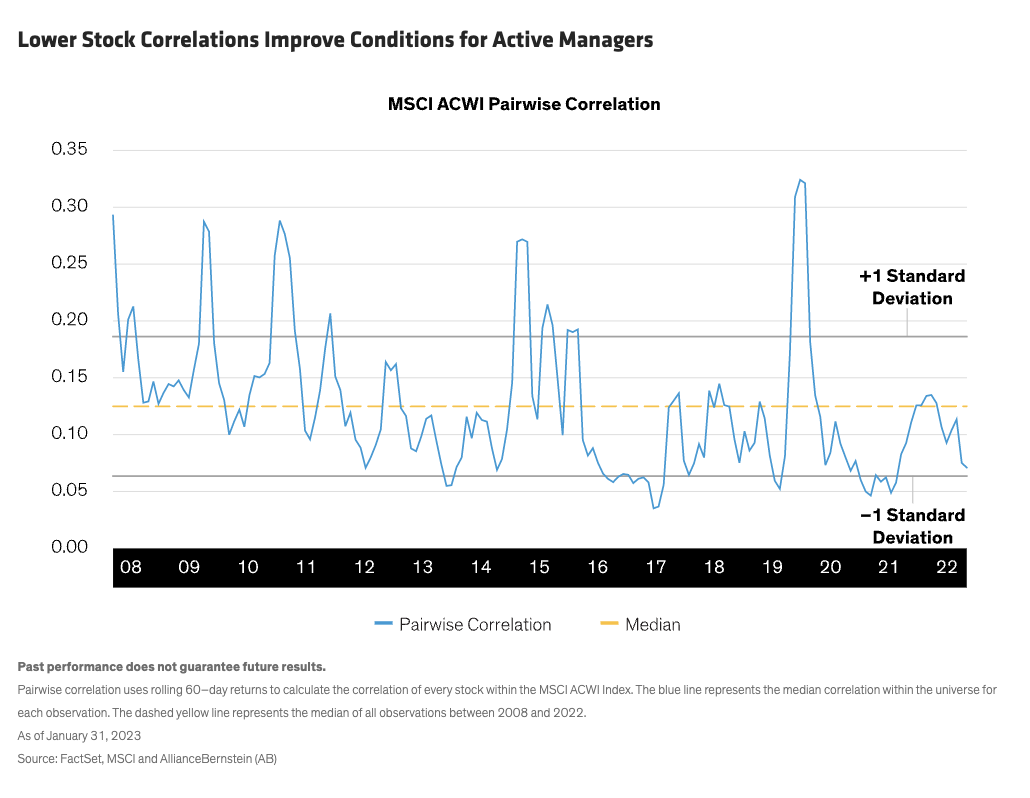
Some commentators have argued that today’s market environment—characterized by rising rates and economic growth concerns—is a ripe environment for stock pickers.
Last week, I dissected developed markets EMEA (DM EMEA) stock performance by sector and found that the consumer discretionary sector was driving upward performance.
Passive equity investing has retained its dominance and outflows from active portfolios have continued amid the market and macro shocks of the past year.
U.S. inflation may not be moderating as quickly as many were expecting.
Tony Muhlenkamp provides examples to support the maxim by Ron Muhlenkamp that “Just because everybody knows something doesn’t make it true.”
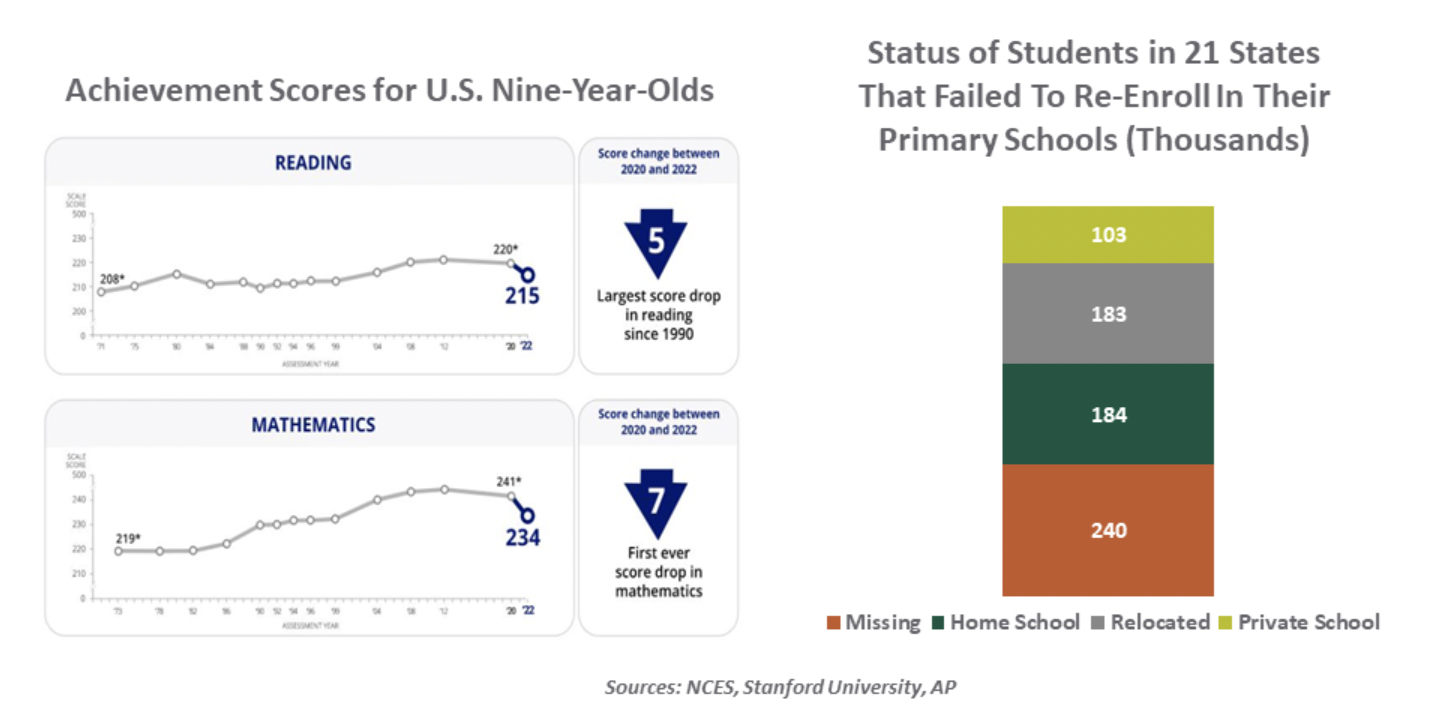
Time out of school is still weighing on student performance.
Advisors who have business owners as clients need to adapt their discovery process and service plans to help these independent and resourceful investors.
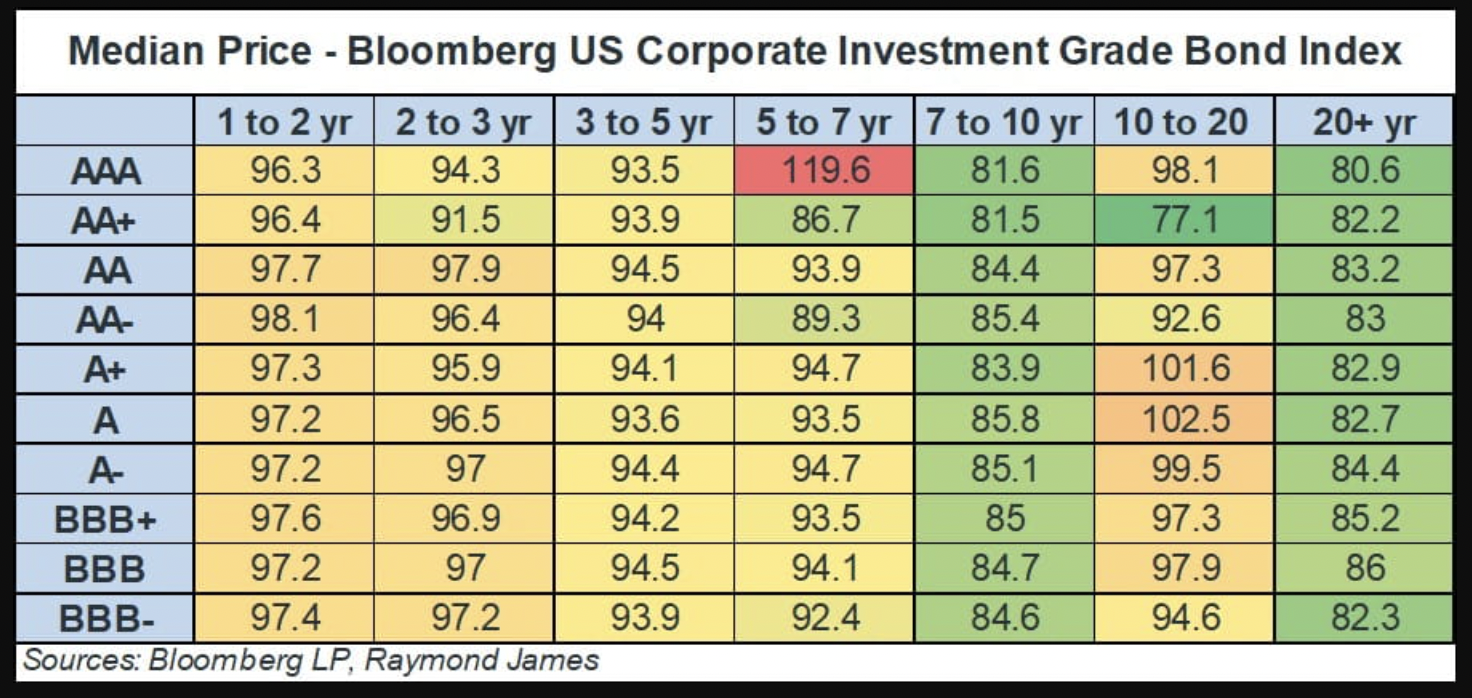
Drew O’Neil discusses fixed income market conditions and offers insight for bond investors.
Contrarian investing requires extra due diligence to identify traits that give investors confidence and conviction to invest in a company when everything and everyone is against it.
Most think so.
Last week I looked at how Canadian stocks underperformed US stocks this year, decomposing North American Performance.
Corn futures traded higher to start the month with weekly USDA data showing an increase in exports week over week.
On October 17, 2022 I posted a video suggesting that: “Don’t Just Buy From Amazon – Buy Amazon.”